From isolated tools to a connected lifecycle
Throughout 2025, Velory’s ecosystem continued to grow - bringing IT, HR, and identity data closer together.
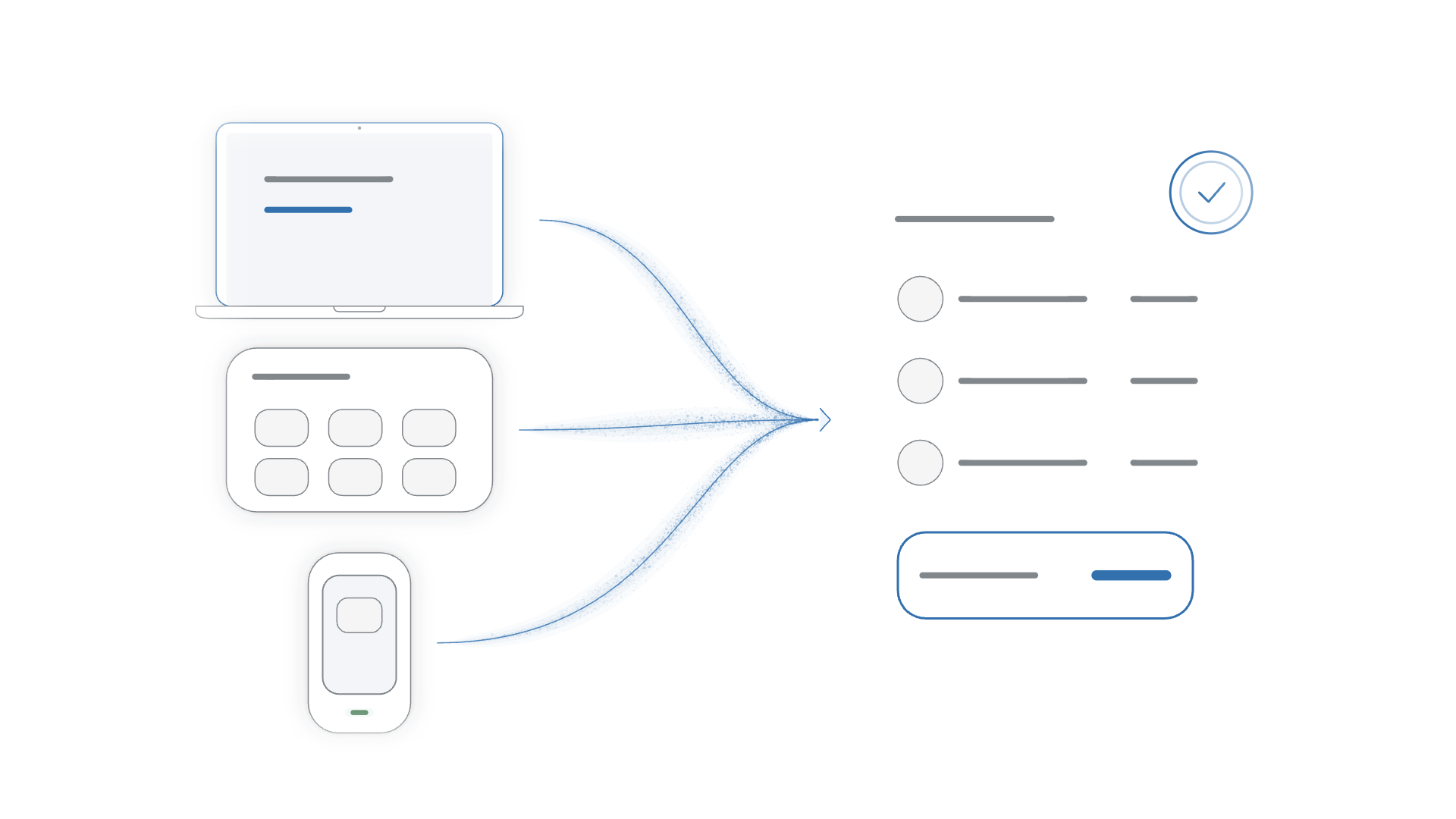
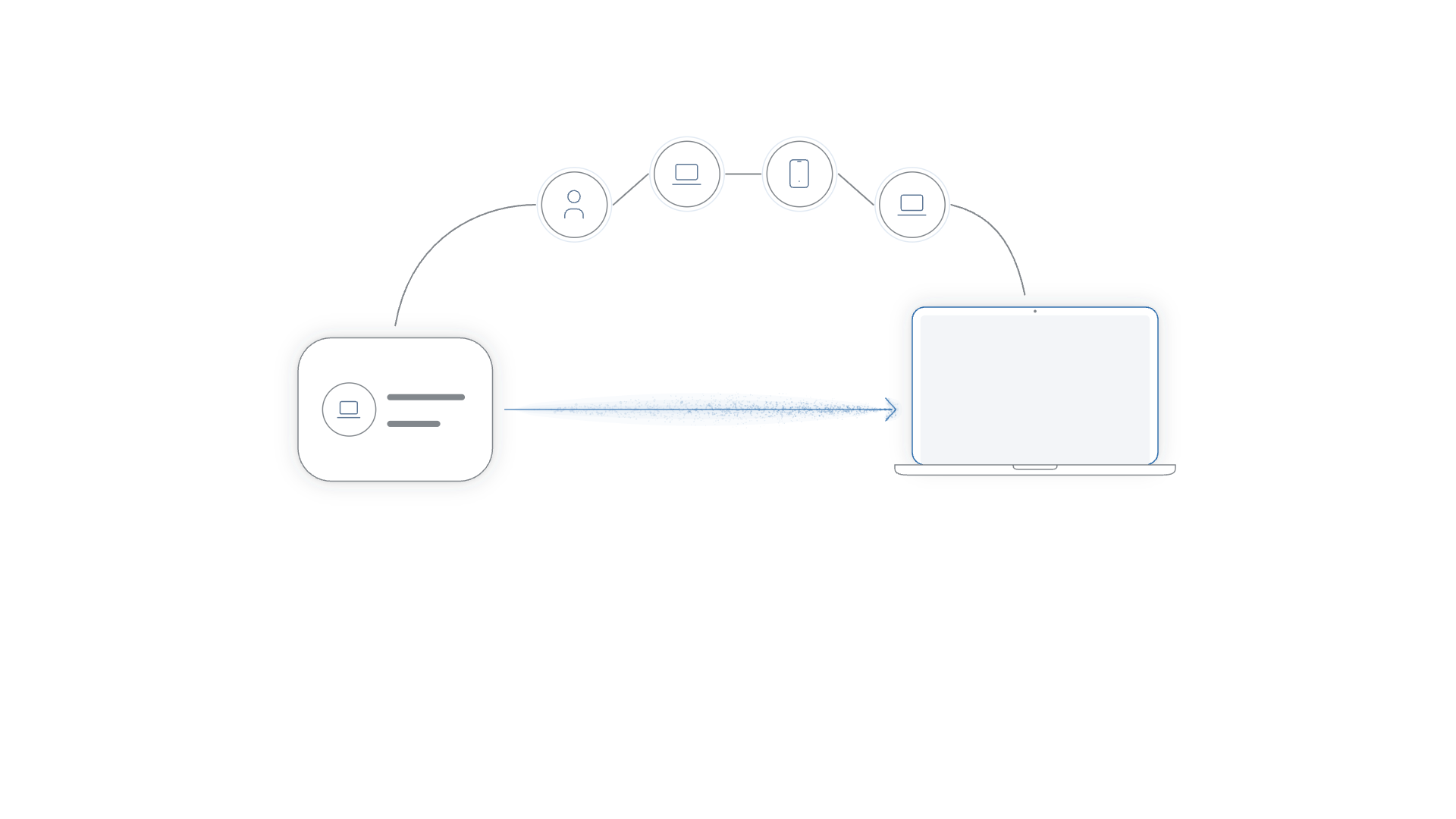
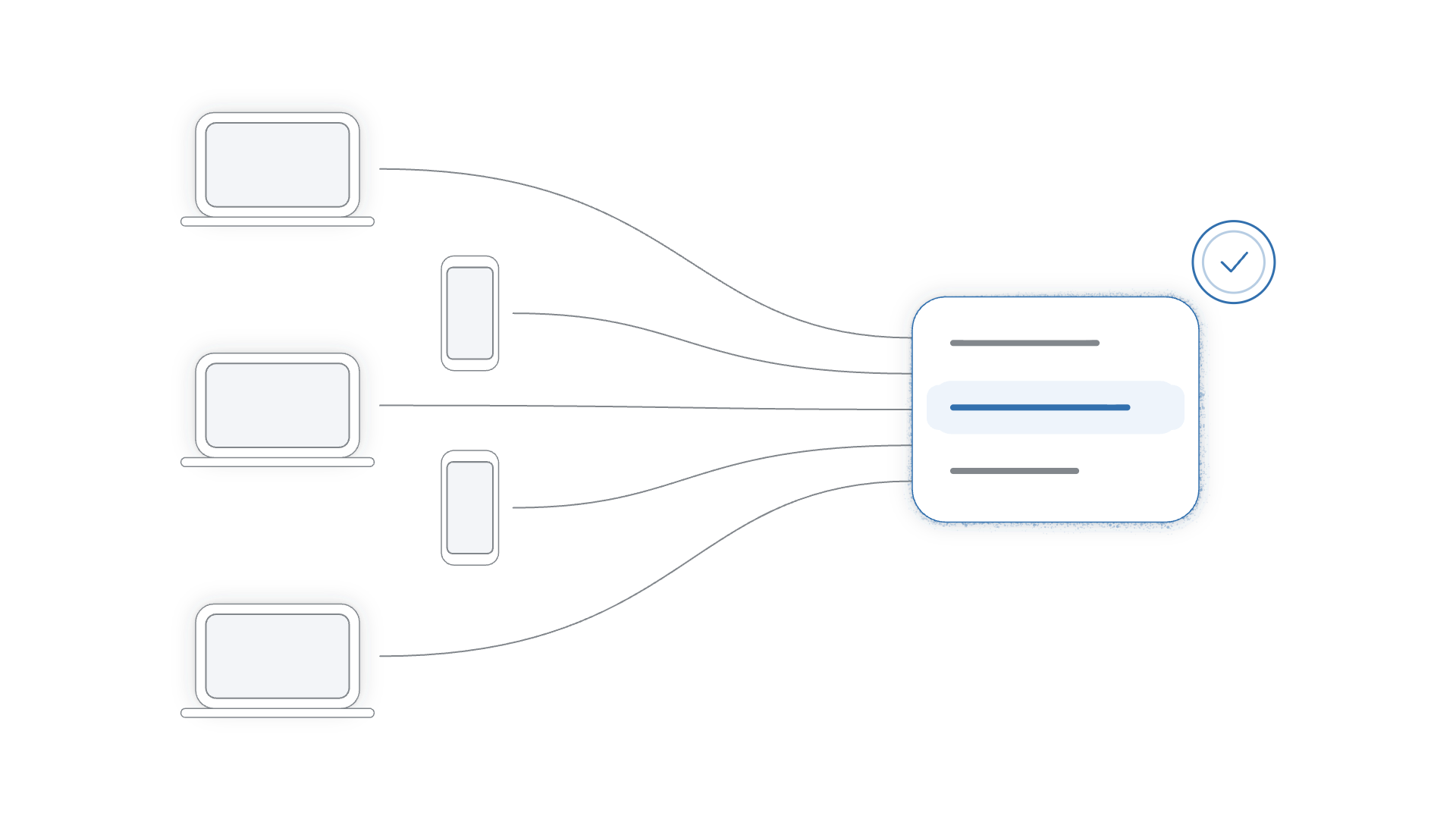
- With additional MDM integrations such as Jamf and Google Workspace Endpoint Management, alongside expanded HRIS integrations like HiBob, Deel and Hailey, which work seamlessly together with user directories, Velory now works in sync with the systems that already define your organisation.
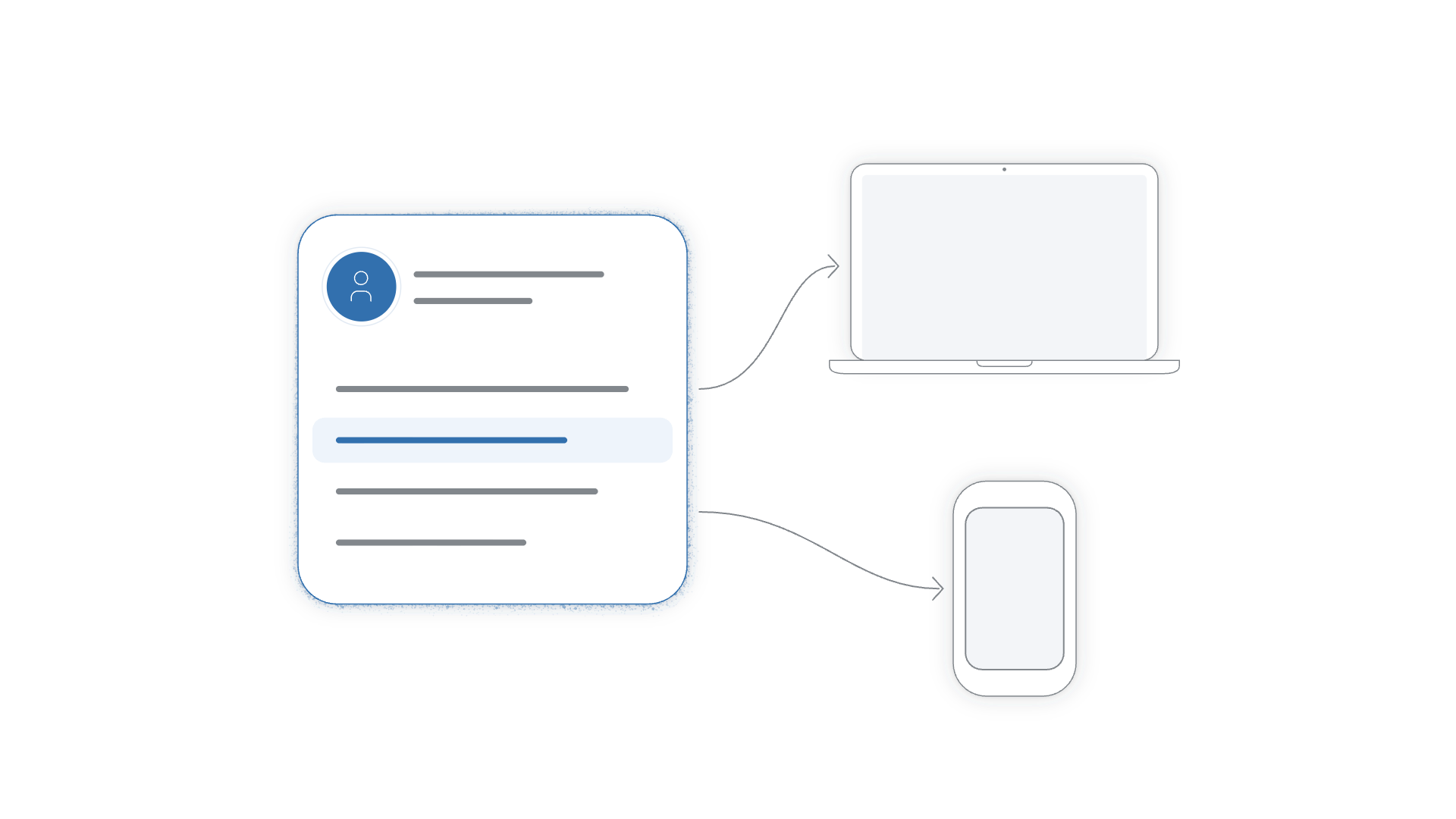
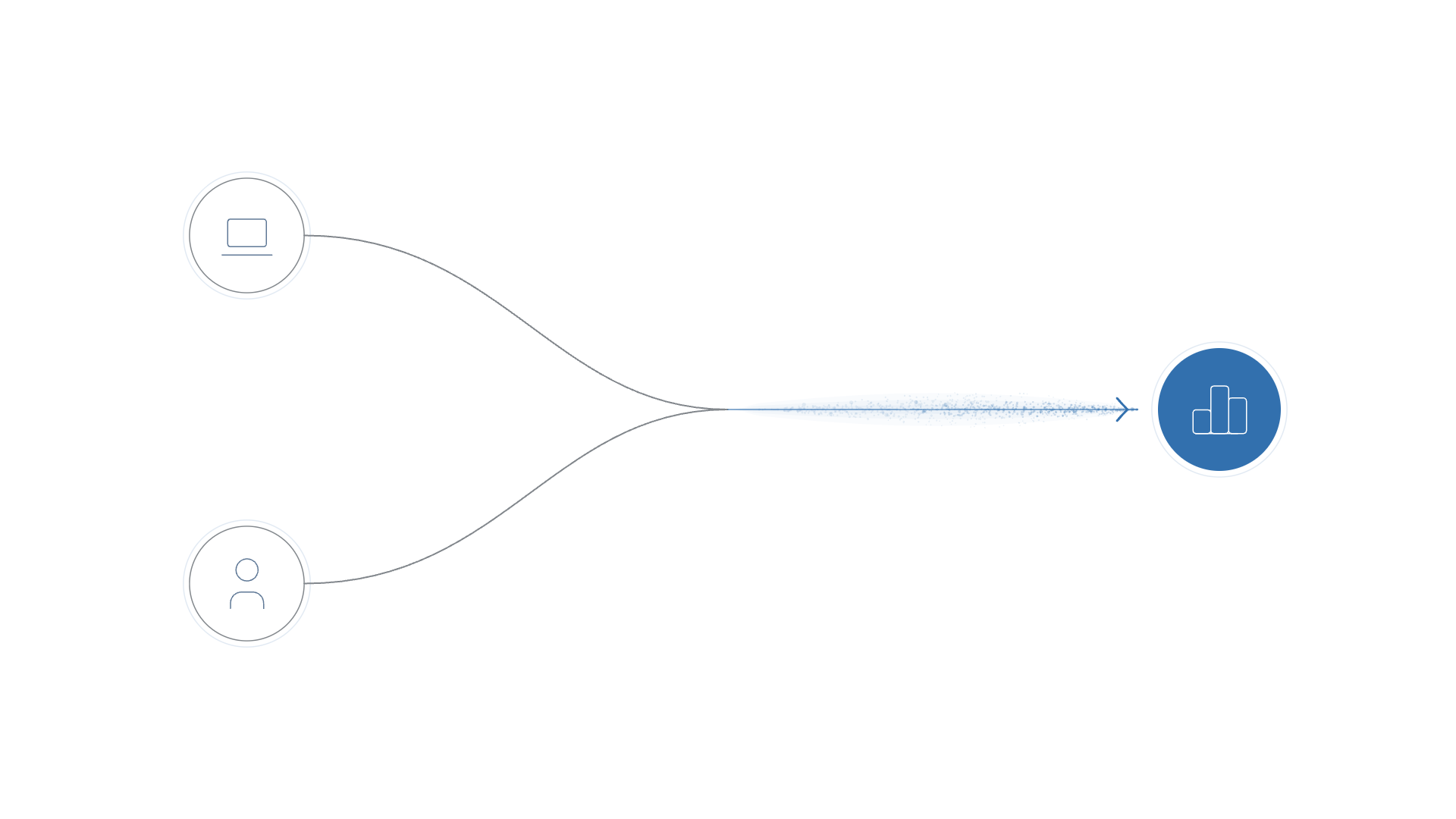
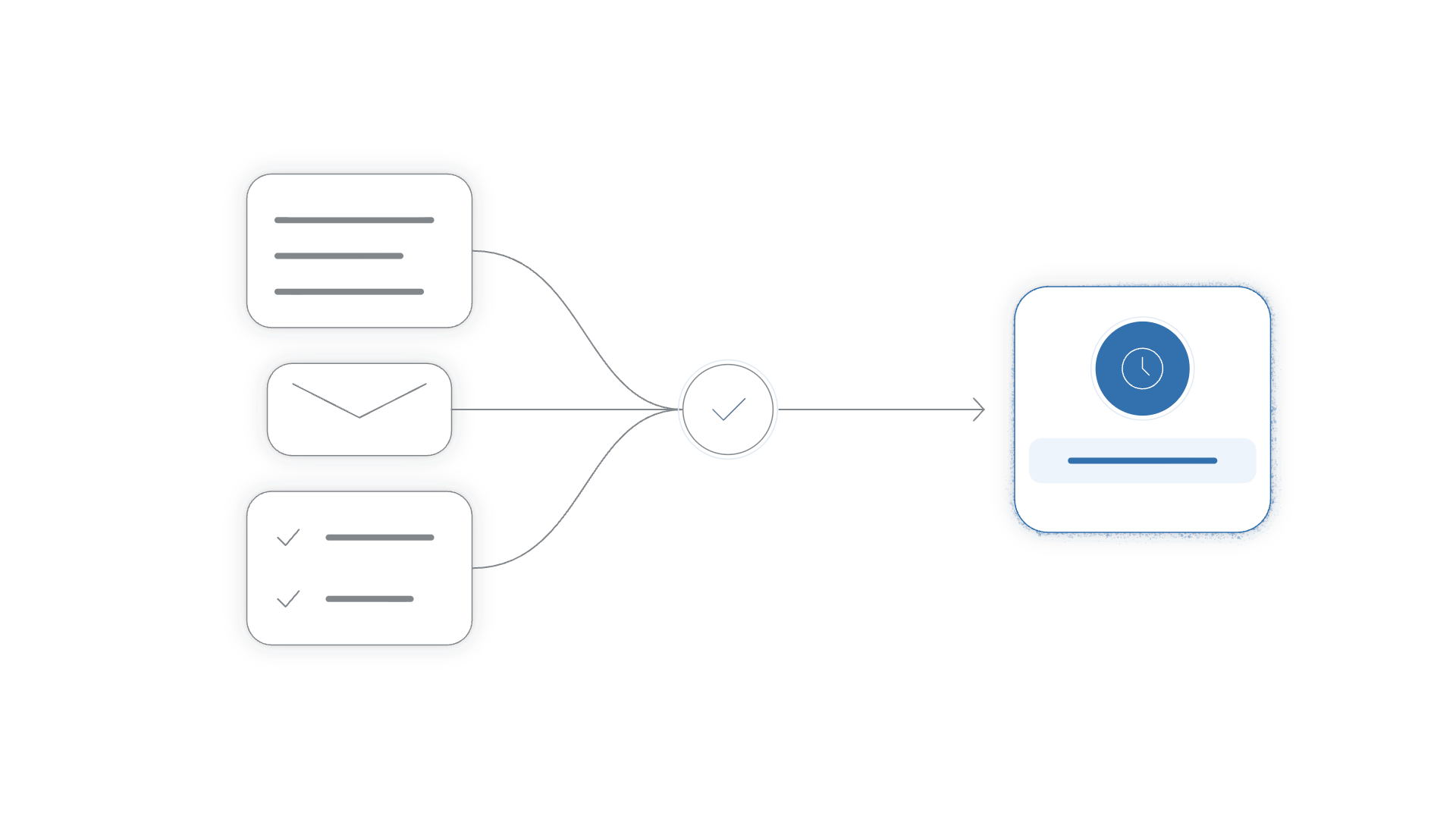
- Employee changes - whether someone joins, changes role, or leaves - are reflected across devices, budgets, and lifecycle workflows automatically. HR data, identity information, and IT processes move together, reducing manual updates and handovers between teams.
This is what a connected lifecycle enables: less coordination overhead, fewer gaps between systems, and IT processes that keep up as organisations grow.
💡 Dive deeper: Check out our blog on combining ITAM and MDM for ultimate IT control.
Full lifecycle clarity: from purchase to retirement
In 2025, we continued to deepen that foundation to help teams move beyond basic tracking and gain stronger lifecycle control.
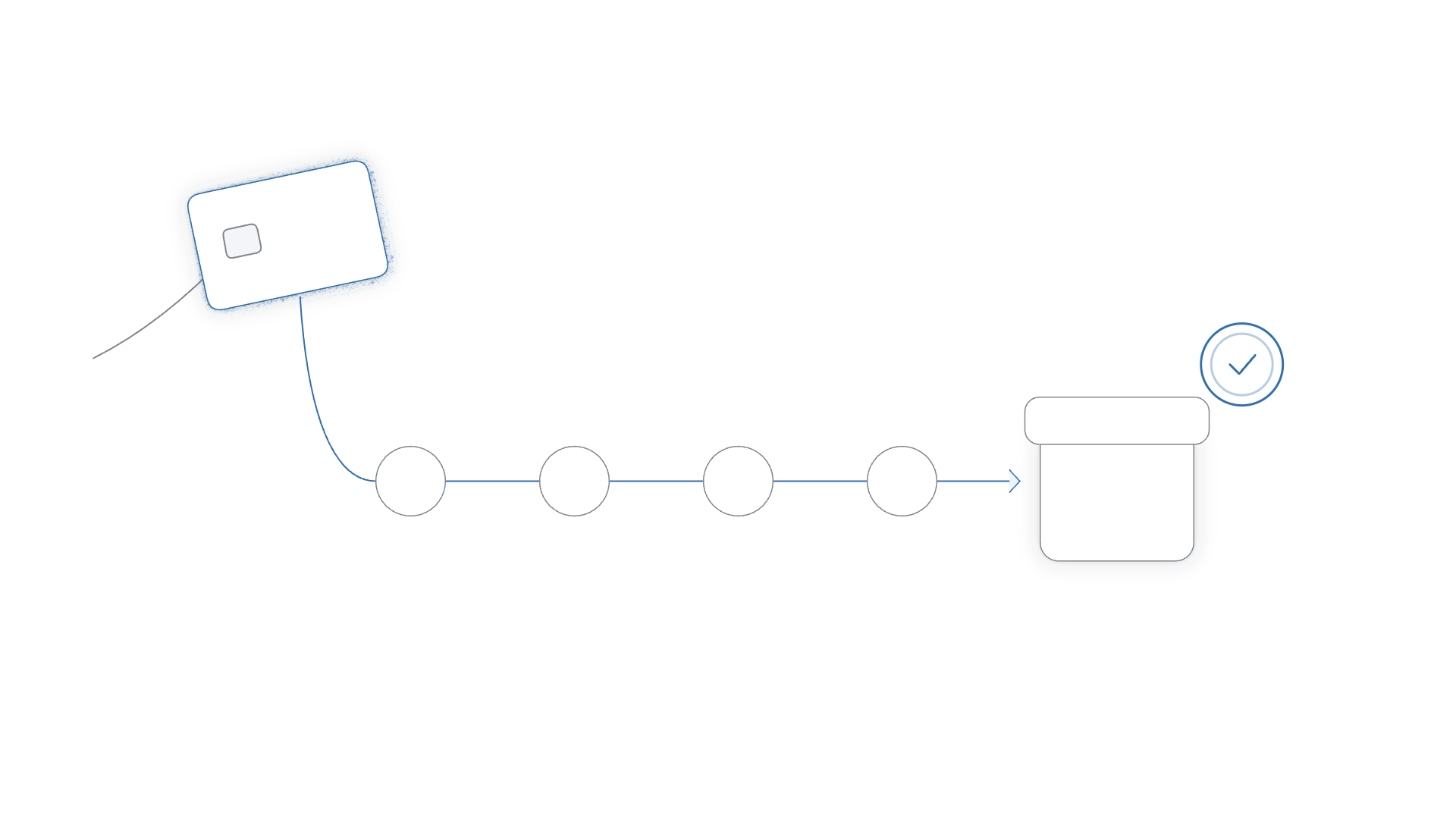
- End-of-lifecycle flows for buyout, keep, and return added structure where uncertainty often exists.
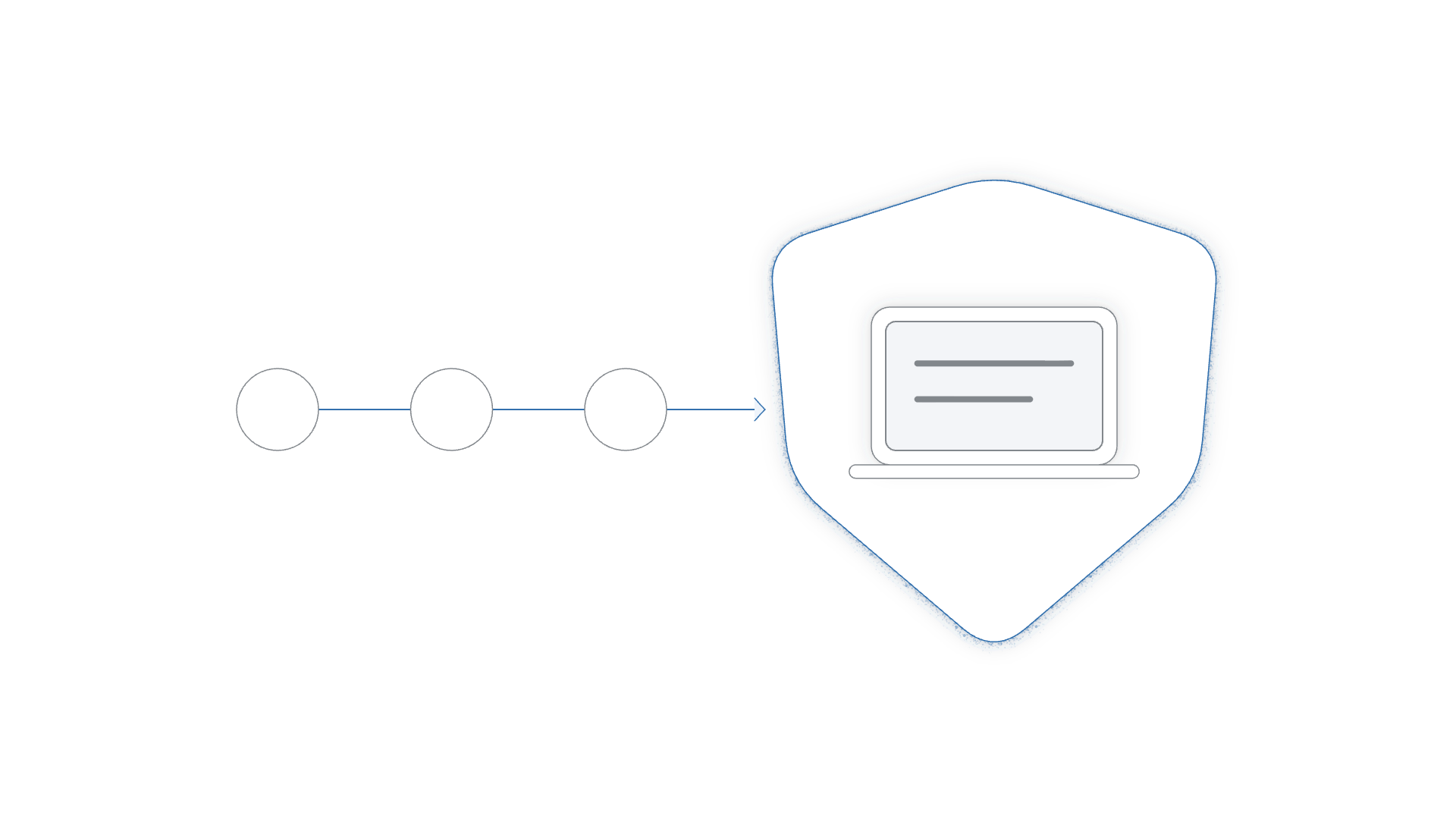
- Combined with improved offboarding, repair tracking, renewal reminders, QR labels, and richer device detail pages, IT teams now get a clearer, more reliable view of every device throughout its lifecycle.
- This year, we also extended lifecycle management beyond hardware. With mobile subscription management added to the platform, subscriptions can now follow the same lifecycle logic - from procurement and assignment to changes and offboarding - reducing blind spots across devices and services.
The goal wasn’t more features. It was more value, and fewer exceptions.
Procurement that balances choice, cost, and sustainability
Procurement saw meaningful improvements in 2025, especially around budgets and employee experience.
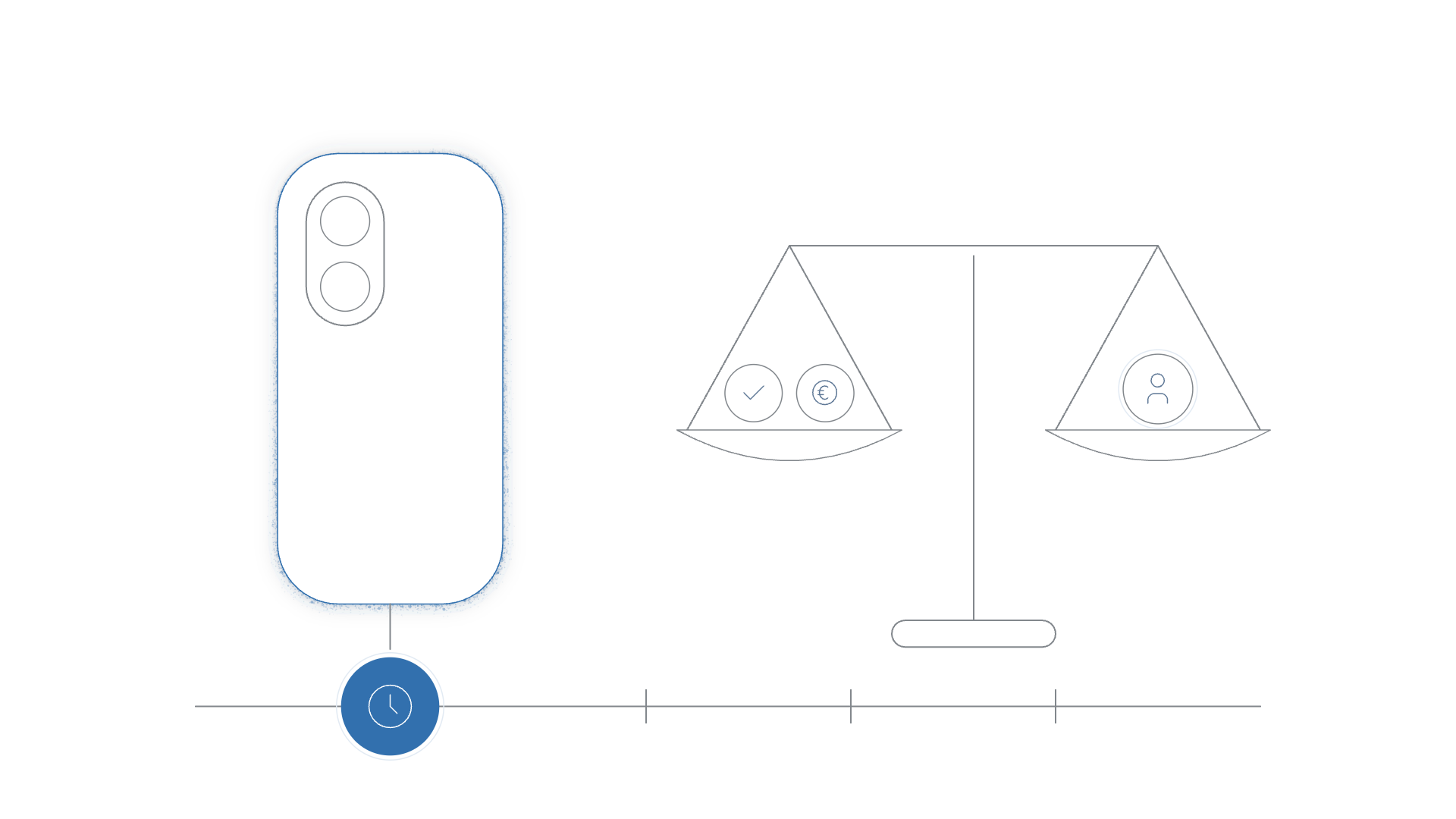
- Automatic budget assignment ensures new hires are ready from day one.
- Updated budget views and product cards make it easier for employees to understand what’s covered.
- Mini-cart and checkout improvements reduce friction for admins handling multiple orders.
- We also expanded retailer options and partnered with Inrego to make reused devices available directly in Velory. This allows organisations to reduce hardware costs and support circular IT - without introducing separate processes or tools.
What customers showed us this year
Looking at the customer stories we shared this year, one thing became increasingly clear: organisations that treat IT lifecycle management as a structured system (not just a tracking exercise) are better equipped to handle growth, compliance requirements, and ongoing change.
As these teams expanded their use of lifecycle workflows, integrations, and end-of-life processes, they gained clearer control, fewer exceptions, and IT operations that scale with the business.
At the same time, these stories highlight the hard work behind that progress. IT teams are leading real transformation, and are moving away from reactive fixes and manual work while supporting audits, cost control, and more sustainable, circular IT practices.
📖 Don't miss out on all the great customer stories!
Looking ahead to 2026
The foundation built in 2025 allows us to go further in 2026, we are guided by the same principle we’ve followed all year: Modern IT lifecycle management should be predictable, connected, and easy to run.
Thank you for this year - we’re excited to keep building what comes next 🎉
As we approach the end of the year, it’s a good moment to pause and reflect on what 2025 has shown us about IT lifecycle management in real organisations.
Across customer conversations this year, a few clear patterns emerged. IT complexity grows faster than teams do, and without structured lifecycle processes, manual work, compliance risk, and hidden costs scale quickly, even in organisations that aren’t “that big yet.”
At the same time, we saw a clear shift: compliance readiness, circular IT, and employee choice stop being aspirations and start becoming operational once lifecycle processes are clearly defined and consistently used. That’s increasingly how modern organisations run IT: by building structure that supports choice, scale, and change at the same time.
Below are some of the highlights from this year.
Frequently asked questions
IT lifecycle management is the structured process of managing devices and software from procurement and onboarding to upgrades, reassignment, and offboarding, ensuring assets are governed throughout their entire lifecycle.
Linking HR and IT systems enables event-driven lifecycle management - when an employee joins, changes roles, or leaves, onboarding and offboarding workflows trigger automatically, reducing security risk and keeping asset data accurate.
By extending device lifespan, improving reuse, preventing duplicate purchases, and reducing unused software licenses, lifecycle management directly lowers total cost of ownership.