What onboarding reveals about ownership, systems, and accountability
Onboarding is often described as a people process.
In reality, it’s one of the most system-dependent workflows in any organization.
HR is expected to deliver a strong first impression.
IT is expected to ensure security, access, and compliance.
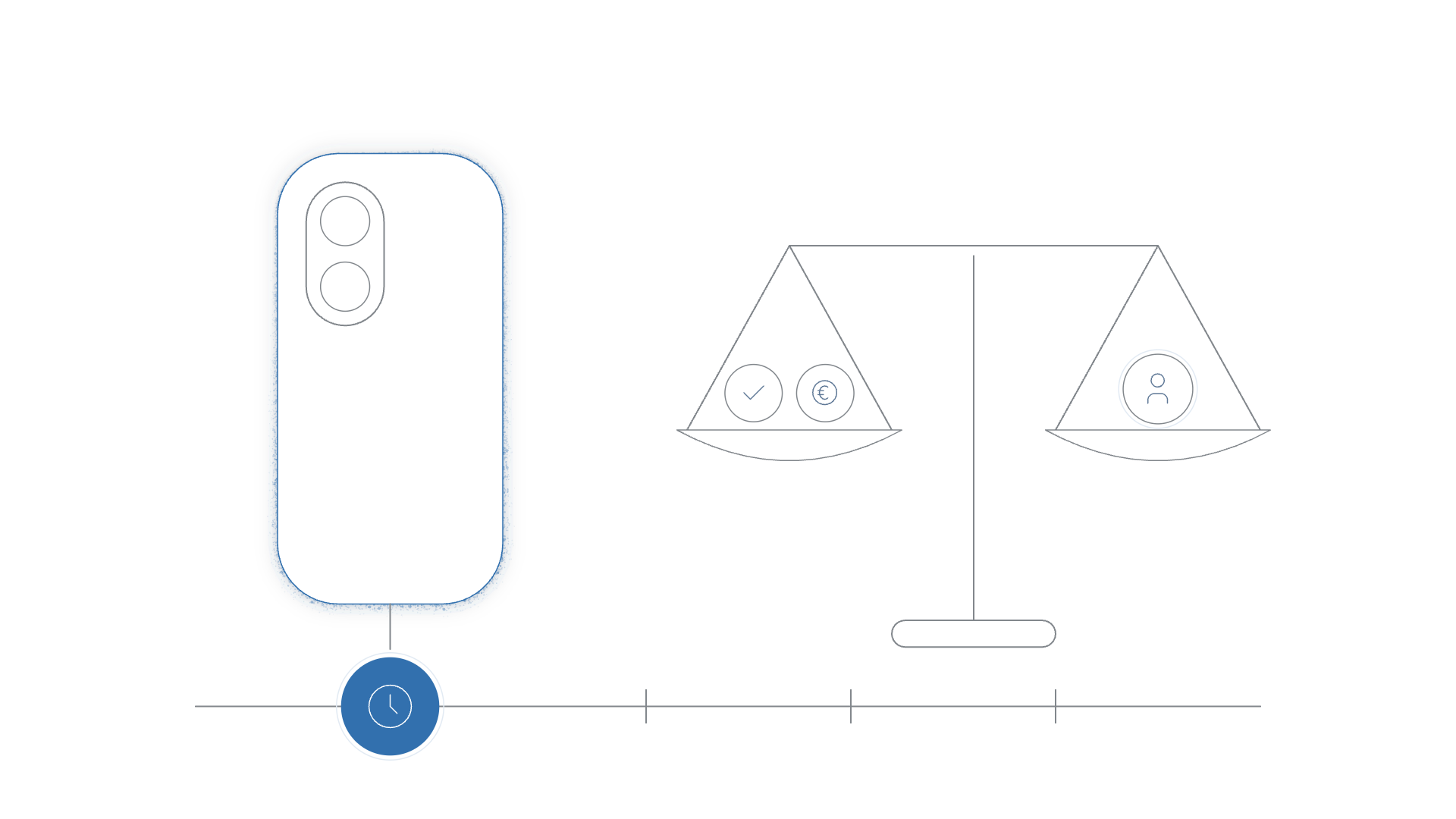
Finance is expected to control cost and predictability.
And when something doesn’t work, HR is often the function closest to the consequences.
Not because HR owns the systems but because HR owns the experience..
Onboarding exposes a structural gap
On paper, onboarding looks well defined:
- processes exist
- responsibilities are assigned
- tools are in place
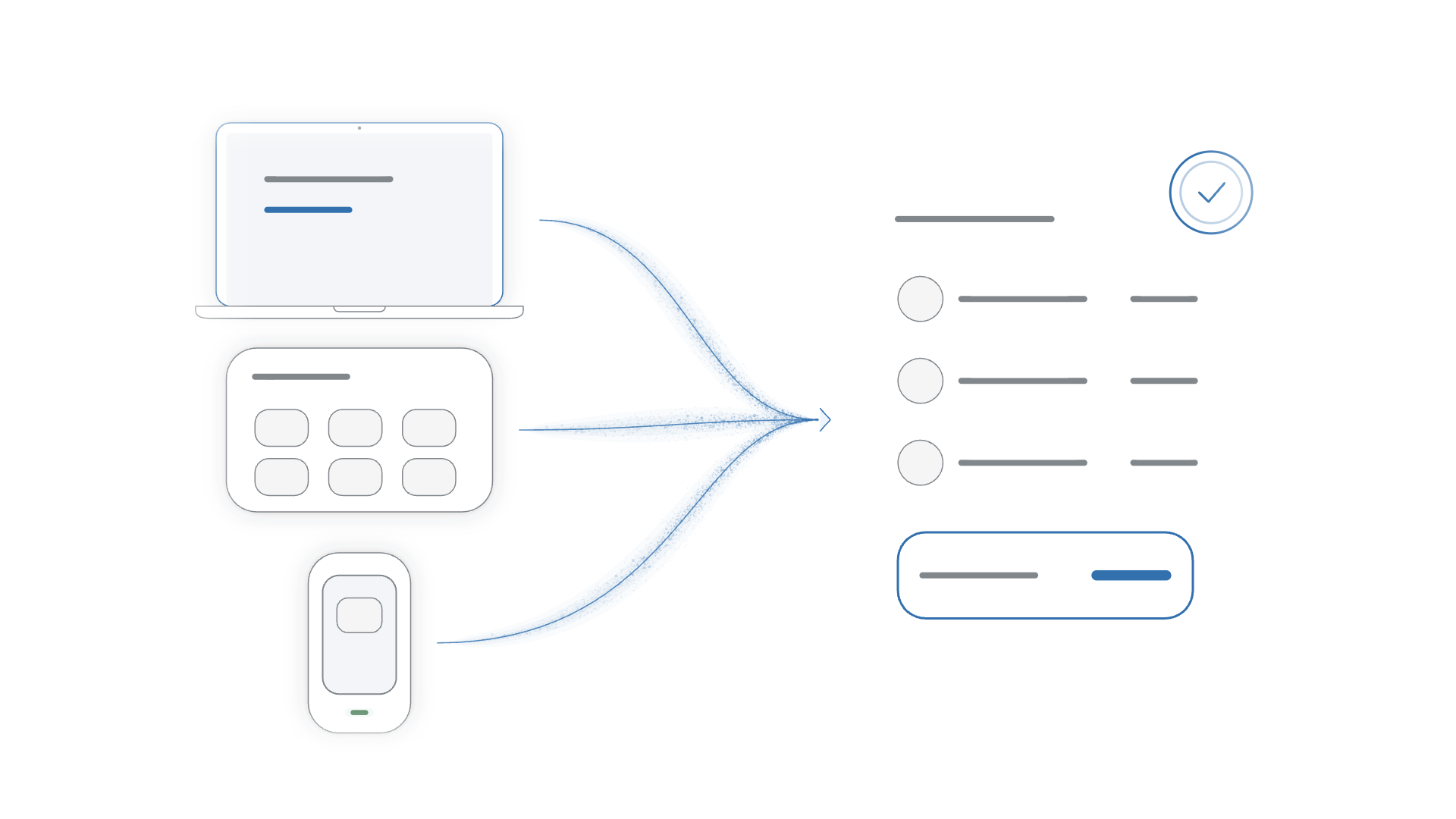
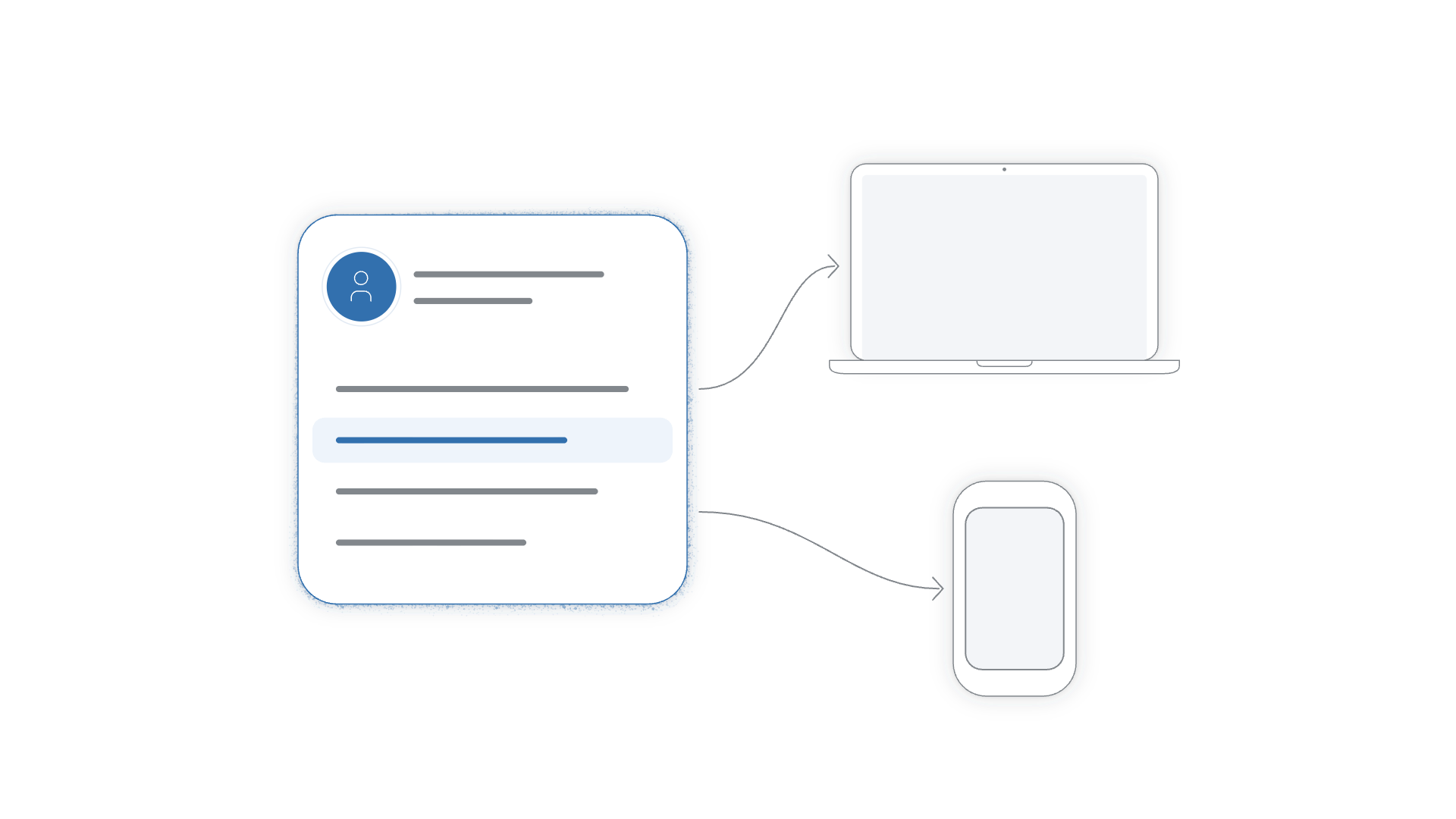
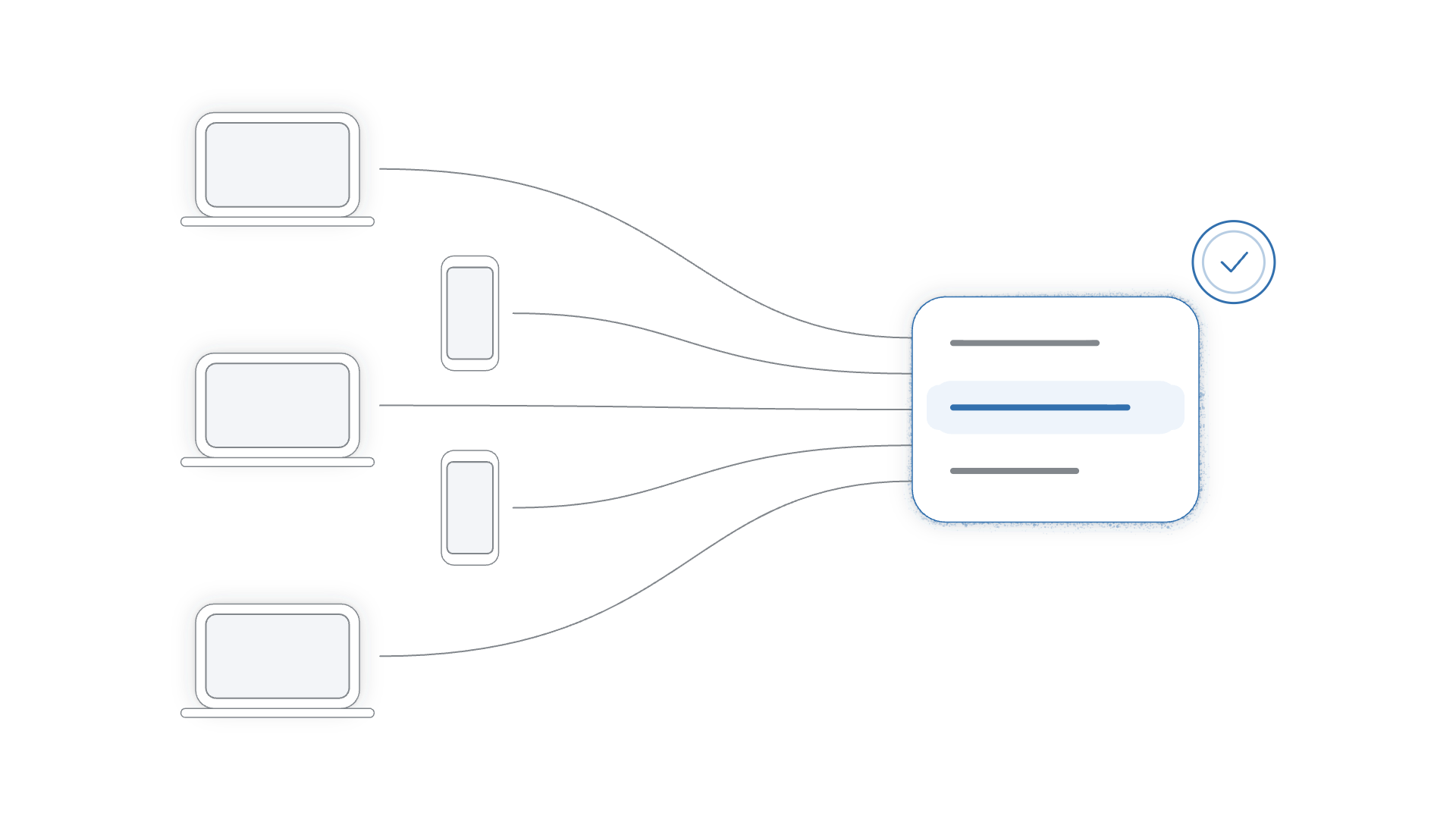
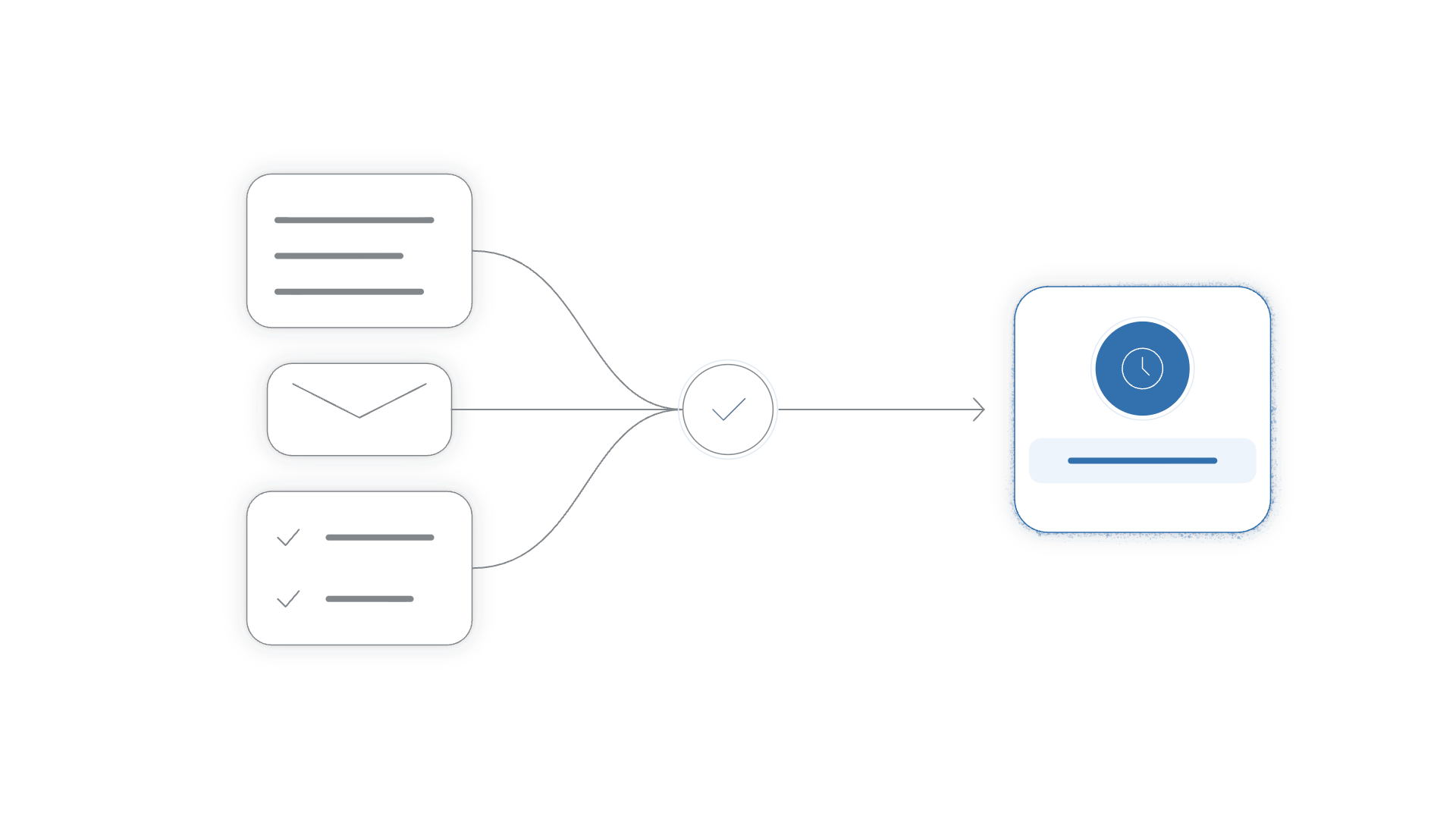
In practice, ownership is split across functions.
HR coordinates the journey.
IT manages devices and access.
Finance controls approvals and budgets.
What’s often missing is shared ownership of the outcome.
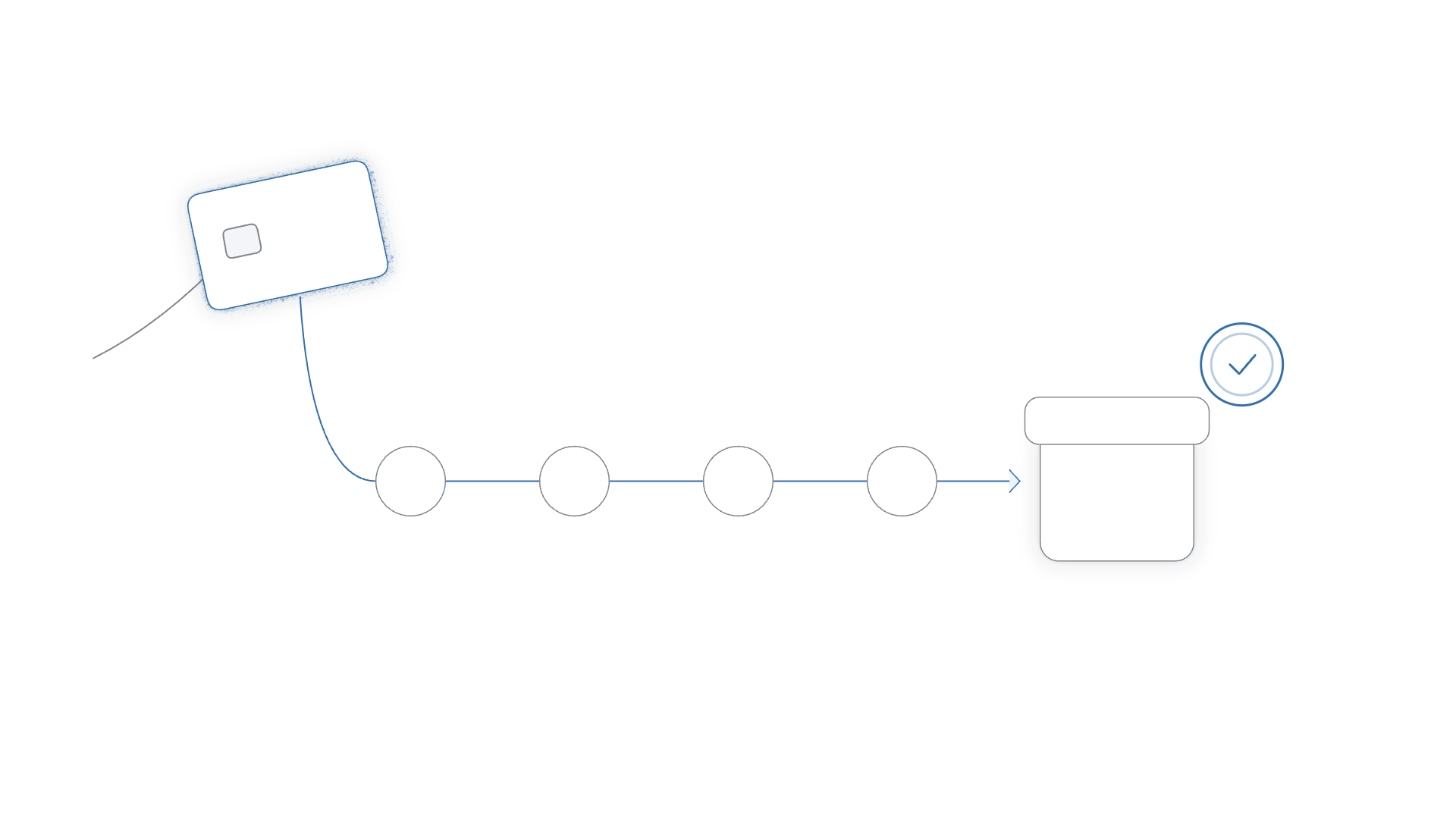
When a laptop arrives late, access is incomplete, or systems aren’t ready on day one, it’s rarely logged as a lifecycle failure.It’s experienced as a breakdown in the employee journey.

Why onboarding breaks even when everyone cares
Most onboarding challenges don’t stem from lack of effort.
They stem from fragmented responsibility.
Common patterns organizations recognize:
- manual coordination across teams
- workarounds that become routine
- exceptions replacing standard flows
- escalations without a clear owner
From the employee’s perspective, the reason doesn’t matter.Only the outcome does.

HR carries the experience not the lifecycle
HR teams are increasingly accountable for:
- employee experience
- engagement and retention
- employer brand
- first impressions
At the same time, the systems that determine onboarding success devices, access, identity, lifecycle data often sit outside HR’s direct control.
This creates a familiar imbalance:
Responsibility for outcomes without ownership of the systems behind them.
It’s not an HR failure.
It’s a structural one.
What effective onboarding actually requires
Modern onboarding isn’t improved by longer checklists.
It improves when lifecycle ownership becomes explicit.
That means:
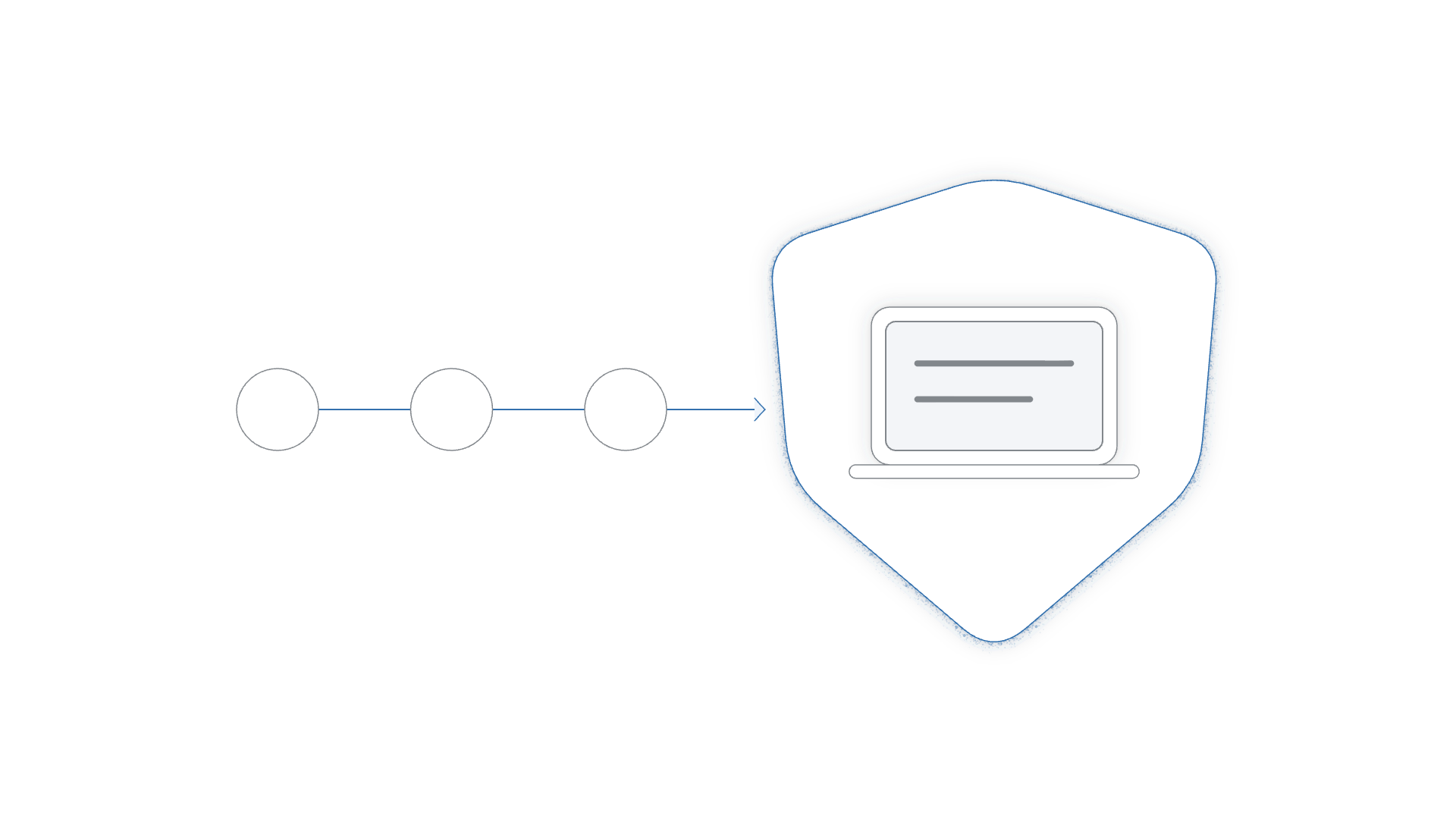
- clarity across joiners, movers, and leavers
- visibility into device readiness and access status
- predictable workflows that don’t depend on individual follow-ups
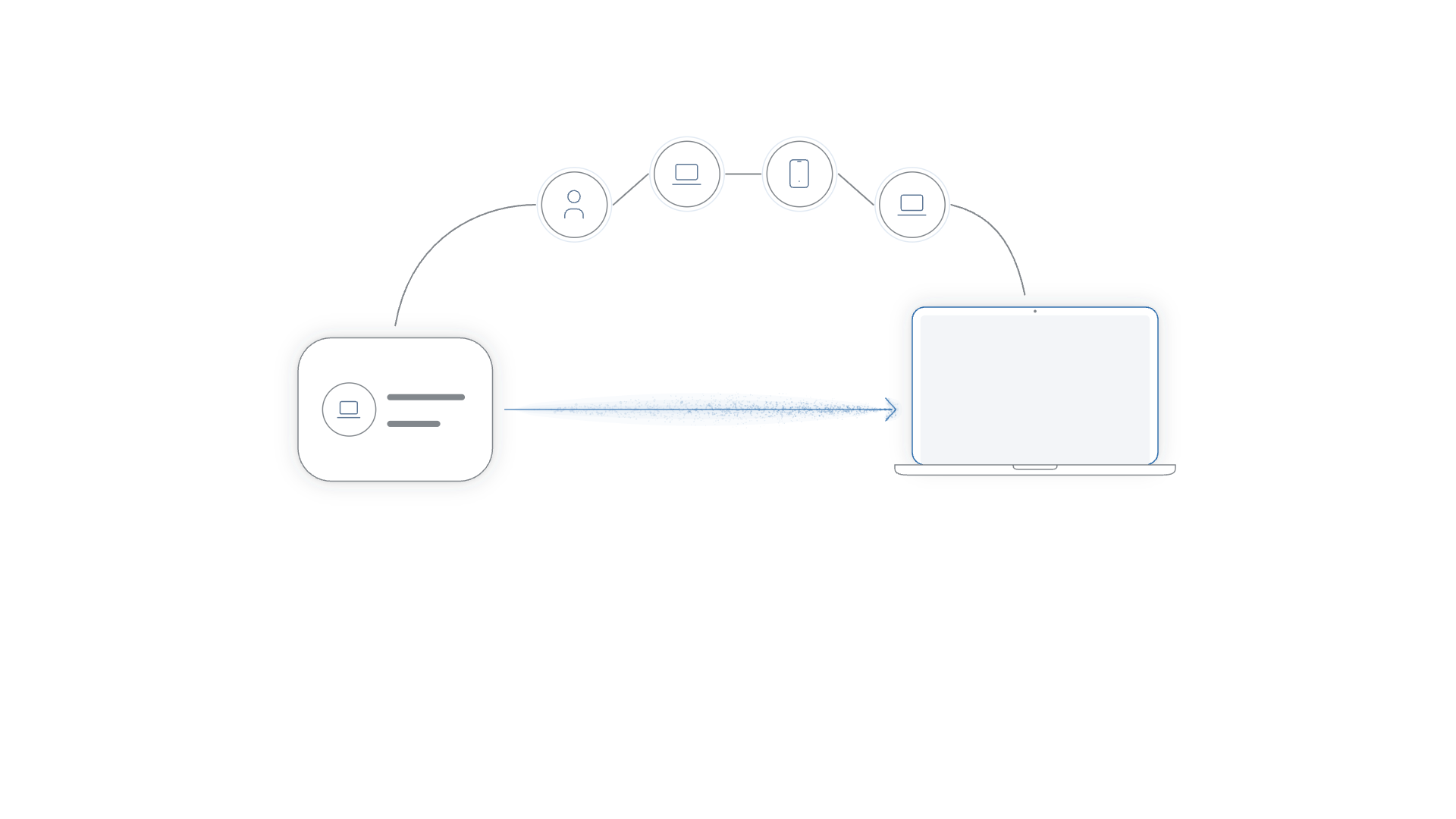
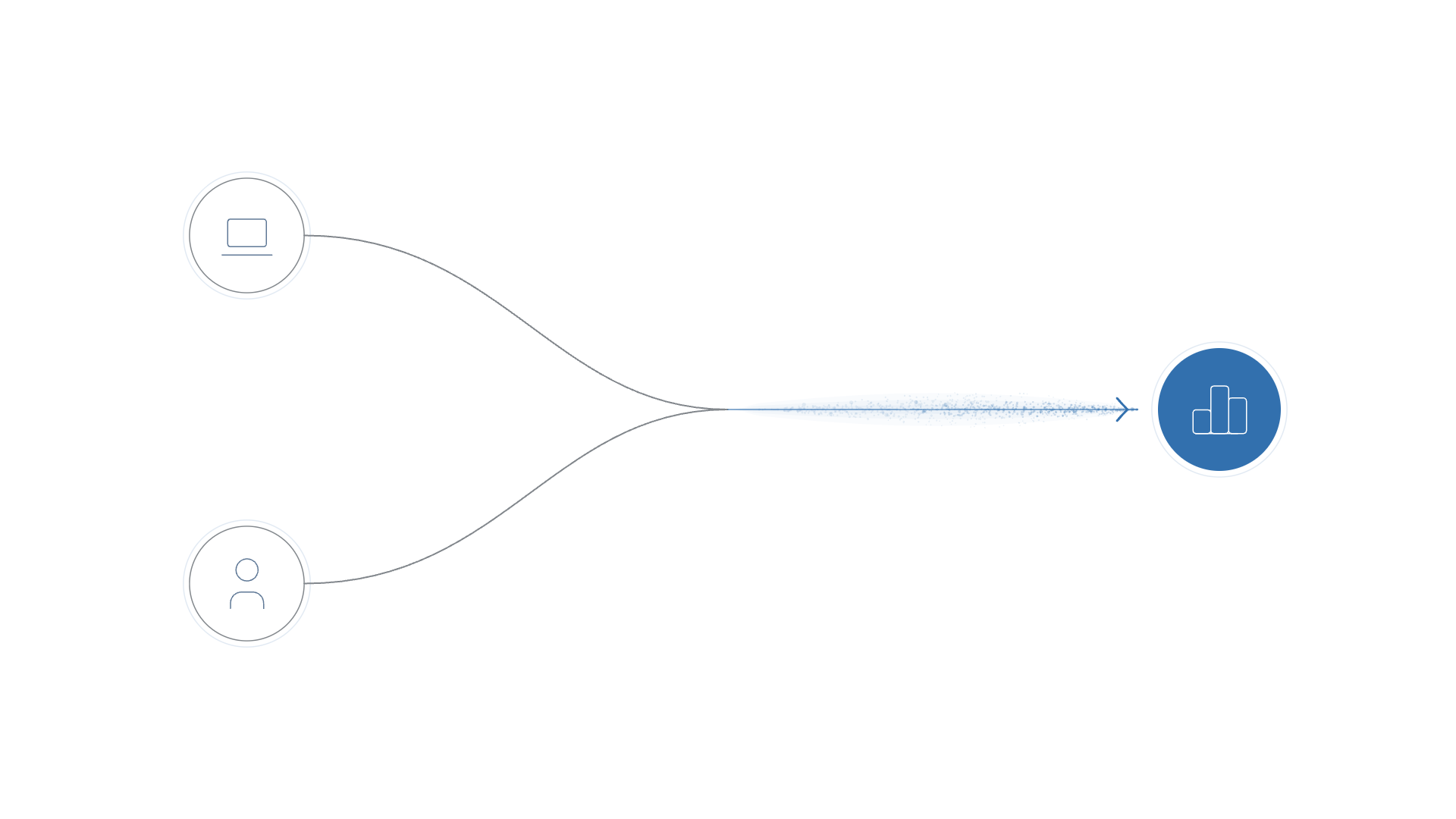
- shared data across HR, IT, and finance
When ownership is aligned, onboarding becomes repeatable instead of reactive.

Looking ahead
As organizations grow and operating models become more distributed, onboarding complexity increases not because people change, but because systems and dependencies multiply.
For HR, this isn’t about taking over IT responsibility.
It’s about having the structure and insight needed to deliver consistent experiences from day one.
At Velory, we see onboarding not as an isolated HR process, but as part of a broader lifecycle question: how organizations align people, systems, and ownership across the employee journey.
When lifecycle responsibility is shared, onboarding stops being a recurring risk and becomes a reliable capability.
Onboarding is often treated as a well-defined process. In reality, it’s one of the most cross-functional and system-dependent workflows in an organization. As responsibilities span HR, IT, and finance, the challenge is no longer coordination it’s ownership.