The handoffs between systems end up on your desk
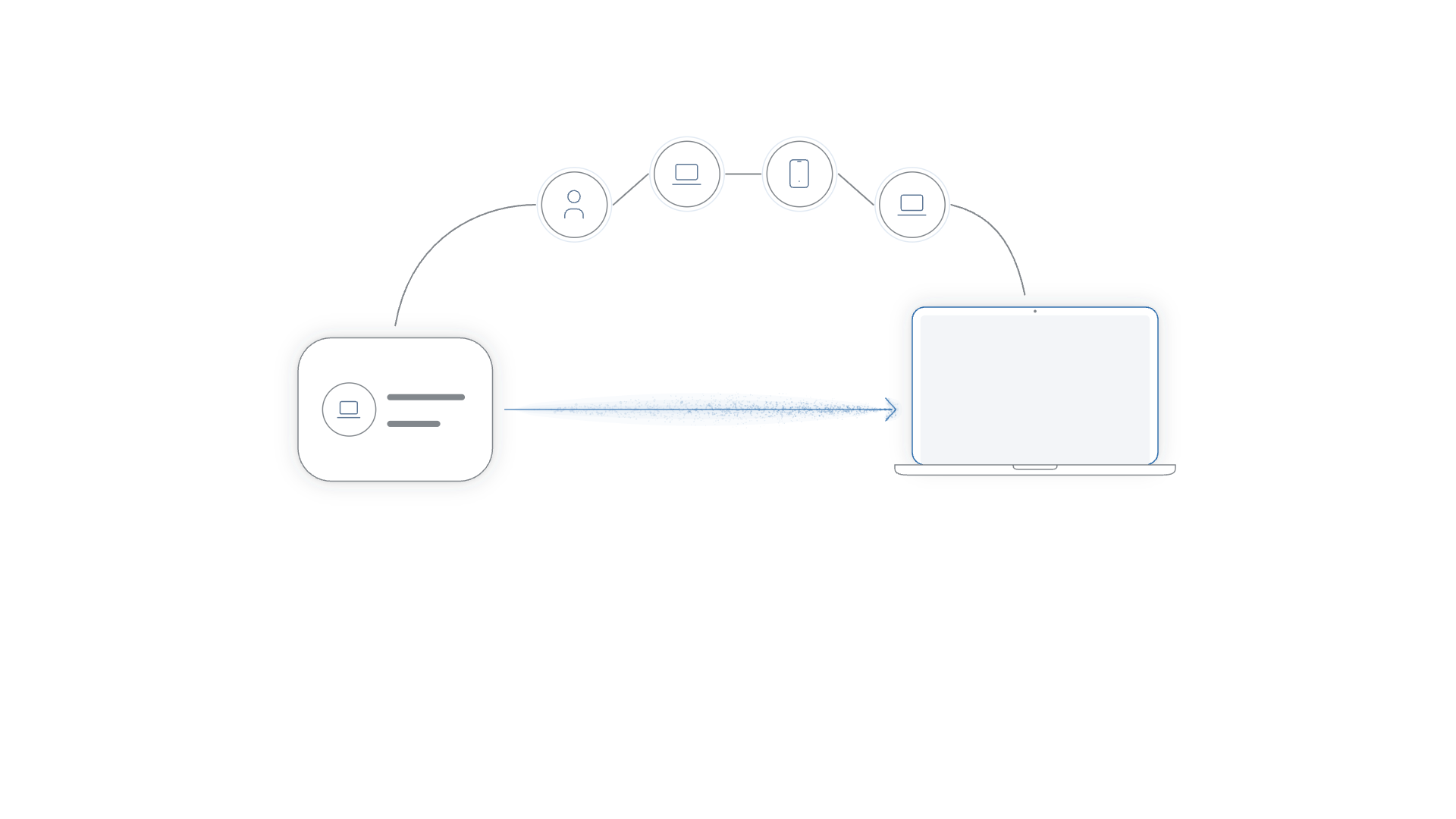
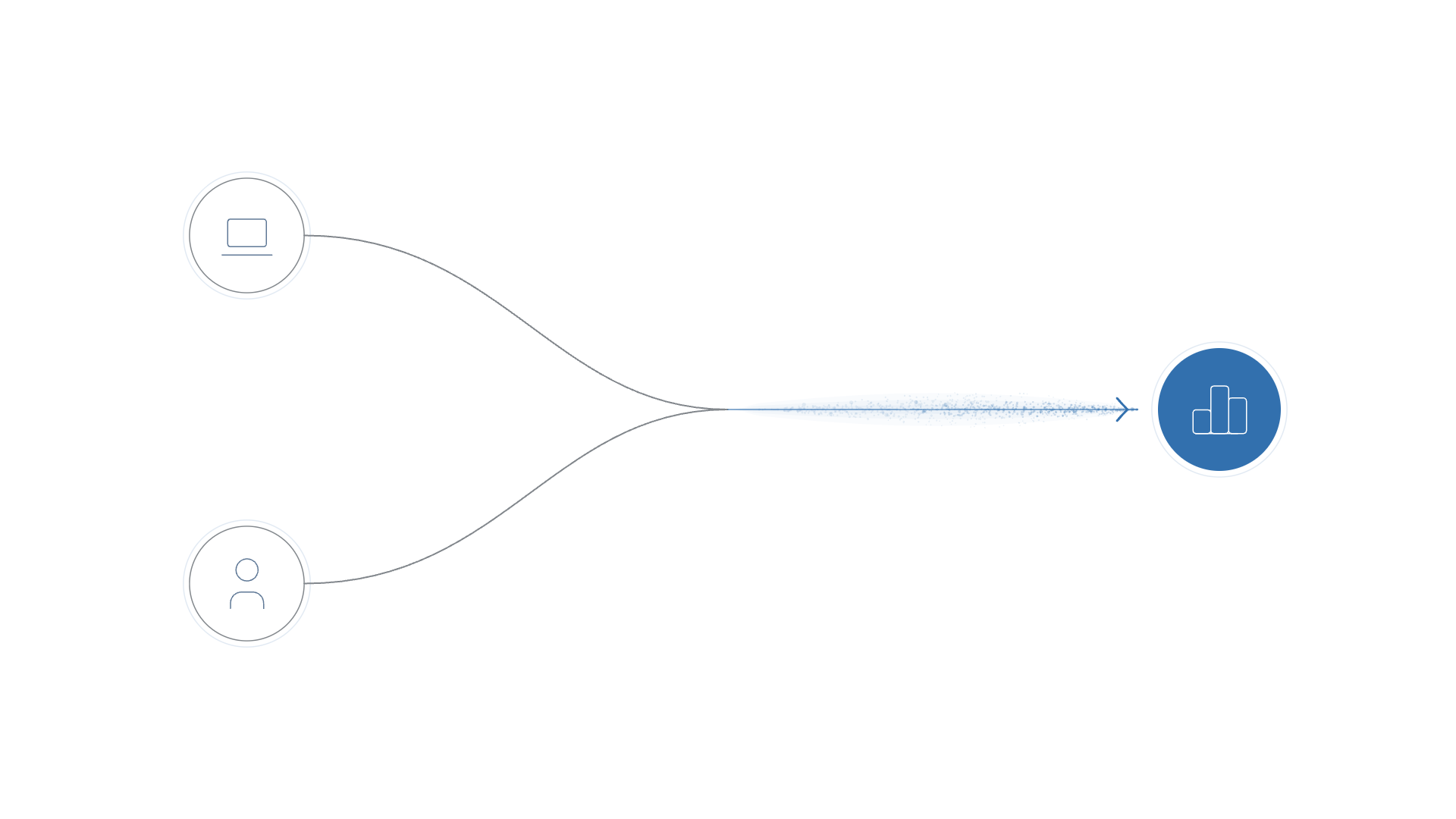
The stages are simple. The work falls through the gaps: a returned laptop nobody reassigns, a lease reminder buried in an inbox, a leaver's phone still active in storage.
Four clear stages
Every device sits in a clear state: provisioning, active, inactive, or end of life. Move it forward or send it back to active, and the change shows up everywhere at once.


Repair and replacement, handled
Log a repair, keep its cost on the record, and issue a replacement from storage or a new order while the original is out of action.


Reassign before you rebuy
Returned devices go back into stock and show up as available, so reuse comes before a new purchase instead of after it.


Leases and contracts
Keep leased devices on the record with their terms, pull buyout values from the provider, and get a reminder well before a contract comes due.


Offboarding that closes the loop
When someone leaves, every device gets a return or buyout, licences come back, and the phone plan ends on the date you set.


End of life, with the trail
Buyout, return, trade-in, or certified recycling: Velory runs the decision and logs it, so you can always show what happened to a device.


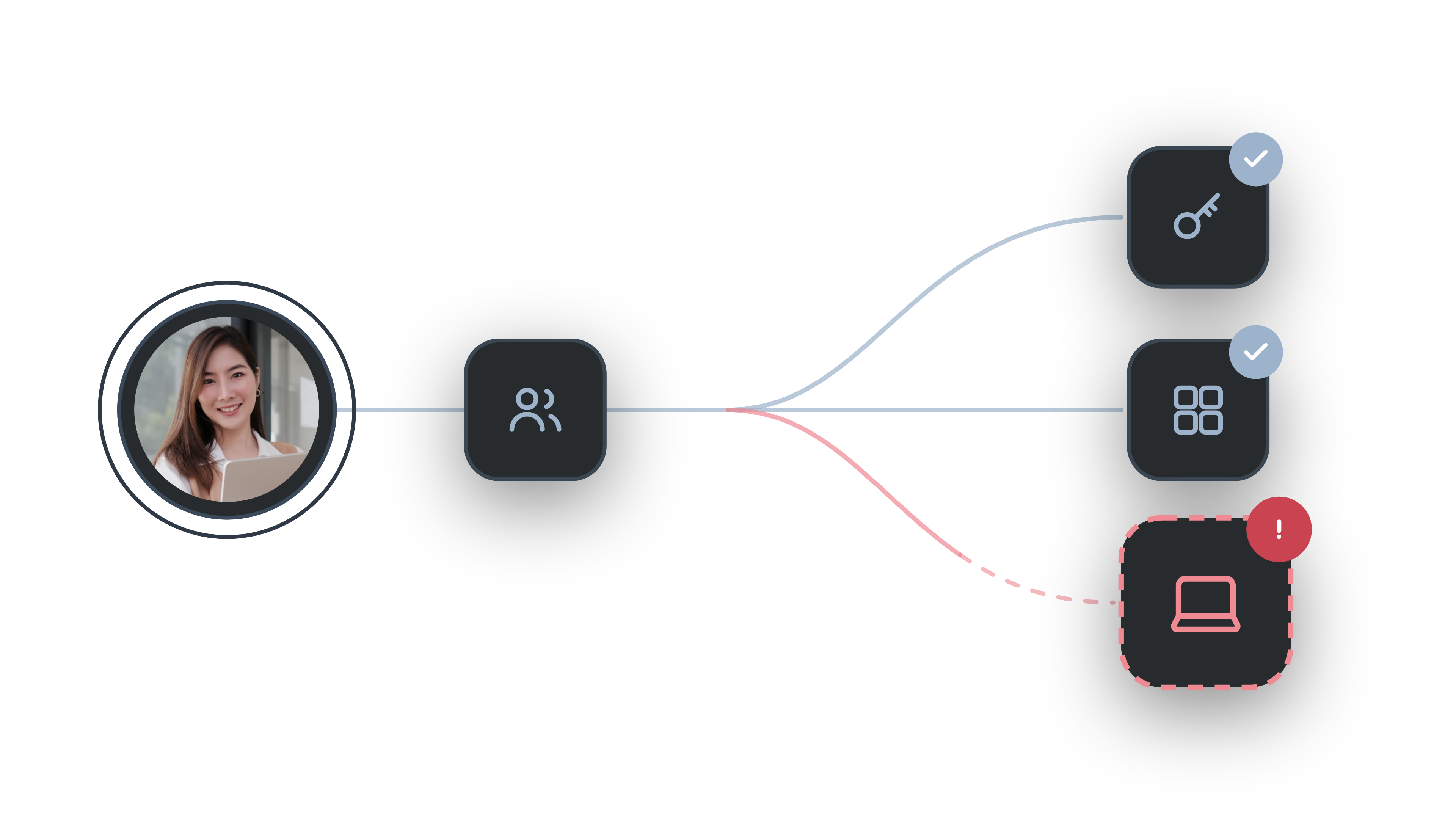
Shape a workflow once, and Velory runs every handoff
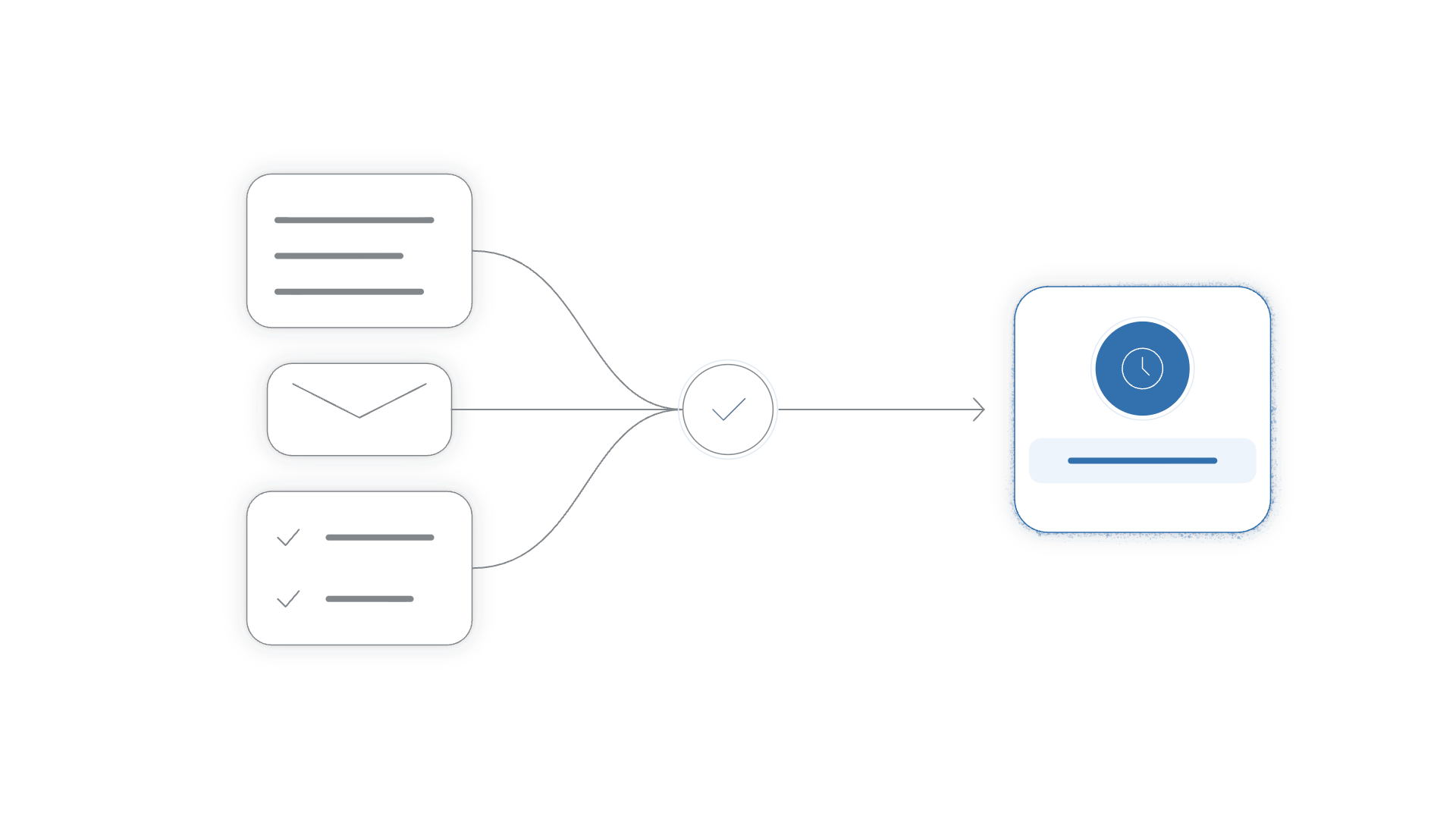
You set the trigger and the steps, and Velory runs them every time a device changes hands. When someone is offboarded, returns start, licences come back, and the phone plan winds down without a checklist. The same goes for a lease coming due, a device heading to repair, or kit moving back into stock.



































What lifecycle management connects to
The lifecycle runs across every asset type and the systems around it. Here is what sits alongside it.
FAQ
IT lifecycle management runs every IT asset (hardware, software & SaaS, and mobile subscriptions) through its whole life: provisioning, active use, inactive (repair, stock, reuse) and certified end of life. It covers everything after the purchase, not only the purchase itself.
Asset tracking shows where a device is. Lifecycle management acts on what should happen next: the renewal gets flagged, the spare laptop gets reused, and the leaver's kit comes back.
Velory gives you visibility into purchase dates, leasing terms, and renewal cycles, so IT plans upgrades ahead of time and gets flagged before a renewal or lease comes due.
Your HR system starts it. When someone joins, changes role or leaves, Velory runs the onboarding or offboarding steps you set: devices ordered or recovered, licences assigned or revoked, the phone plan started or ended. Nobody has to coordinate it by hand, and the records stay accurate.
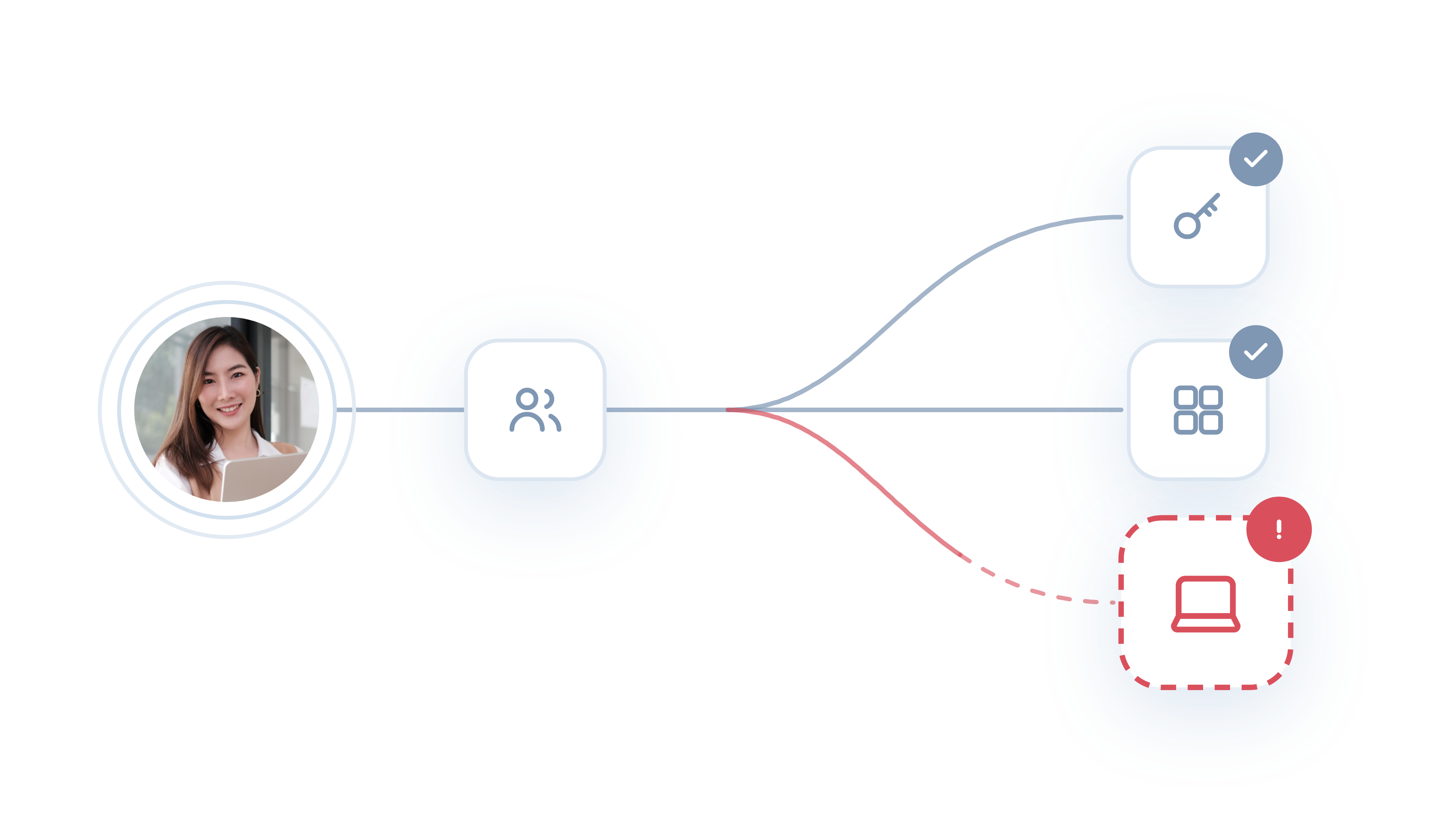
When every device is mapped to an employee or a space, nothing goes unaccounted for. Velory flags unenrolled MDM devices, runs offboarding step by step, and makes sure no hardware disappears when someone leaves, so you can report on your security posture with real numbers.
Returned laptops get reused before anyone orders a new one, licences come back when people leave, and duplicate purchases get caught. Devices also stay in service longer, so the total cost of each asset goes down.
It means the lifecycle moves on events instead of reminders. A start date, a last day, a lease coming due or a device going idle triggers the next step you've set, and Velory carries it out across hardware, software and mobile.