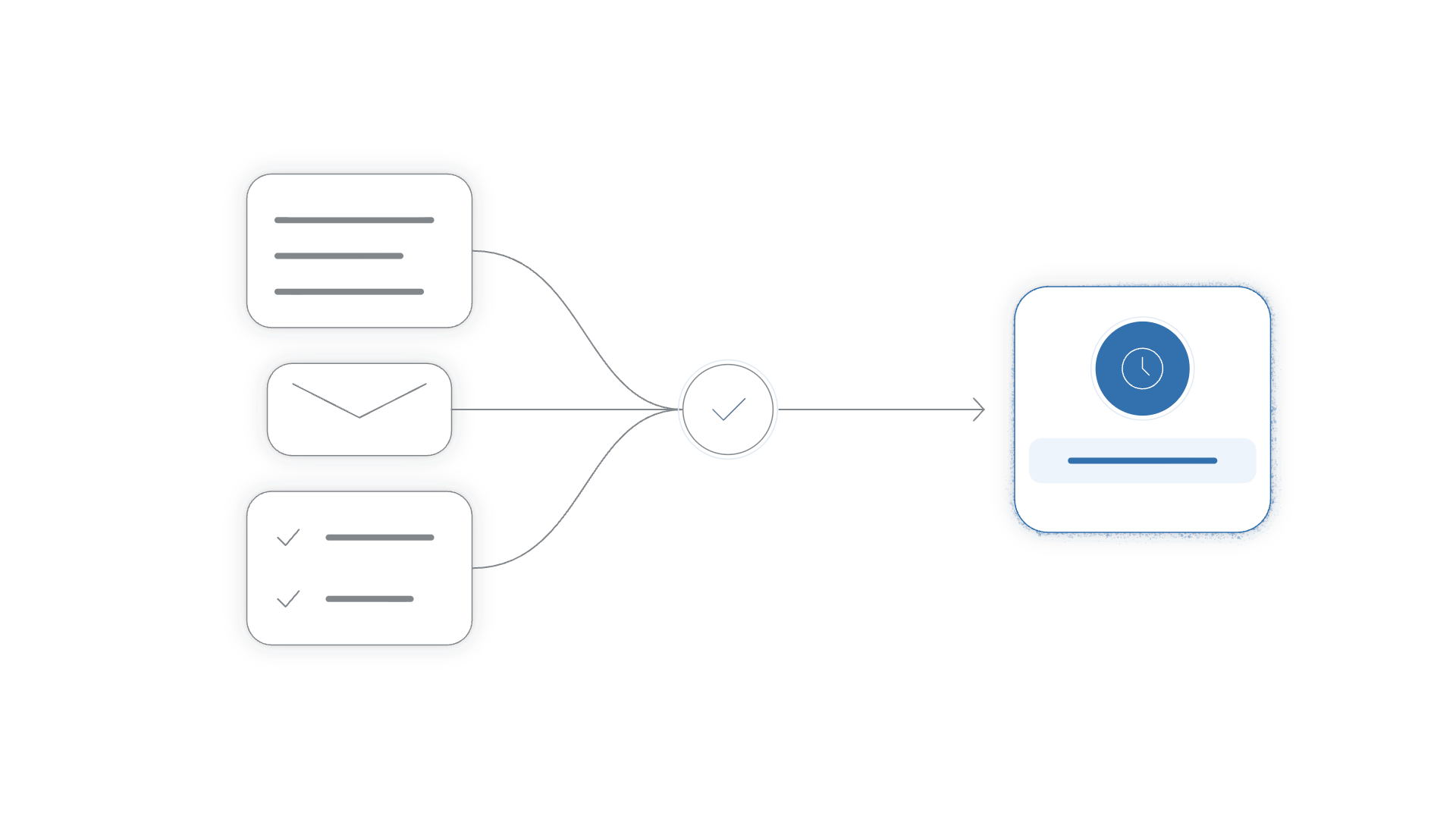
Your policy says one thing, and the tool does another
The policy lives in a document, and the tool comes with someone else's process built in. So you bolt on spreadsheets, scripts and reminders to close the gap, and the workaround becomes the system.
The work IT repeats, handled once
Start from the policy you already have. Pick the trigger, set the rules and who signs off, and Velory runs them every time it fires.
Rules you set
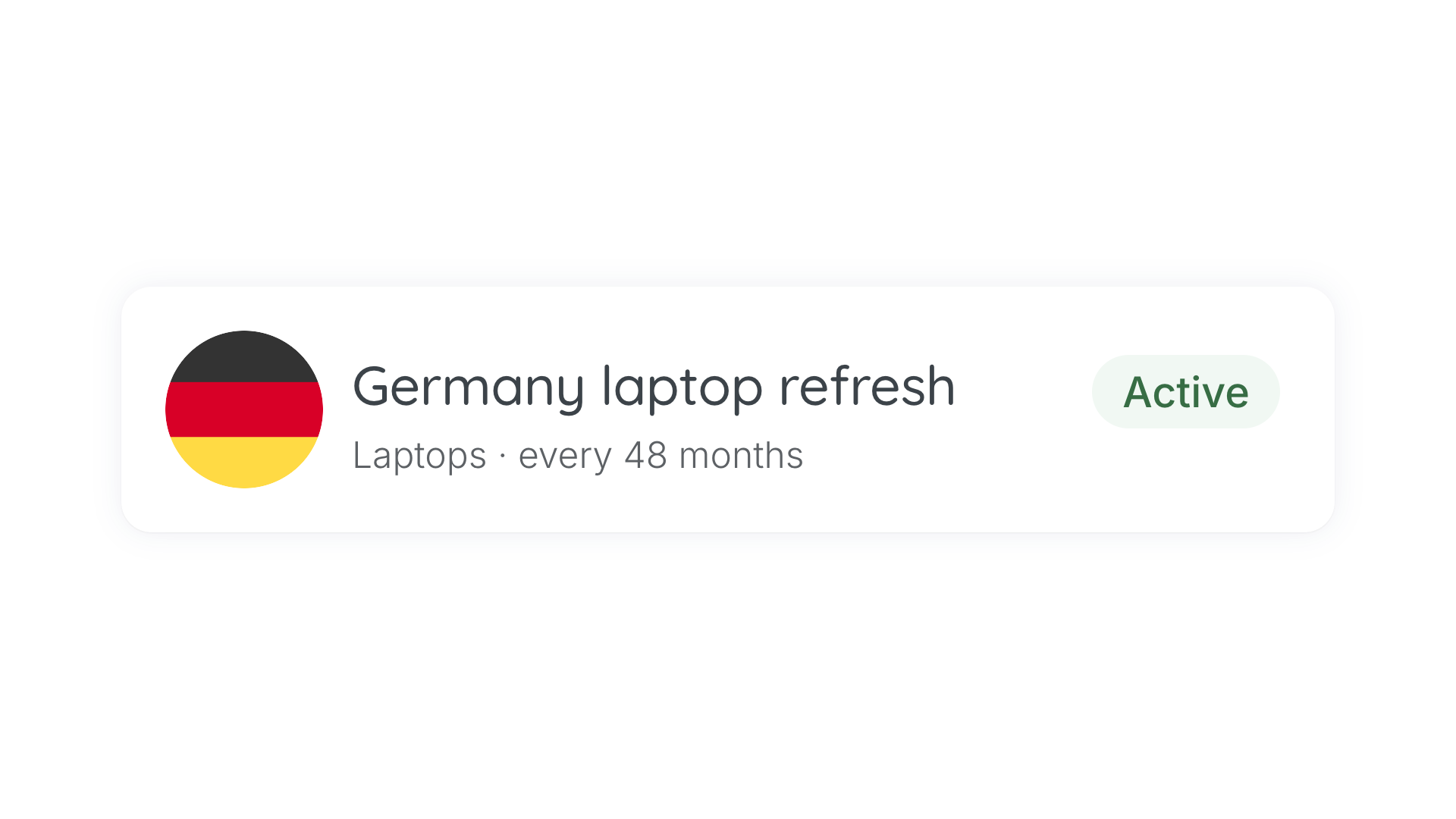
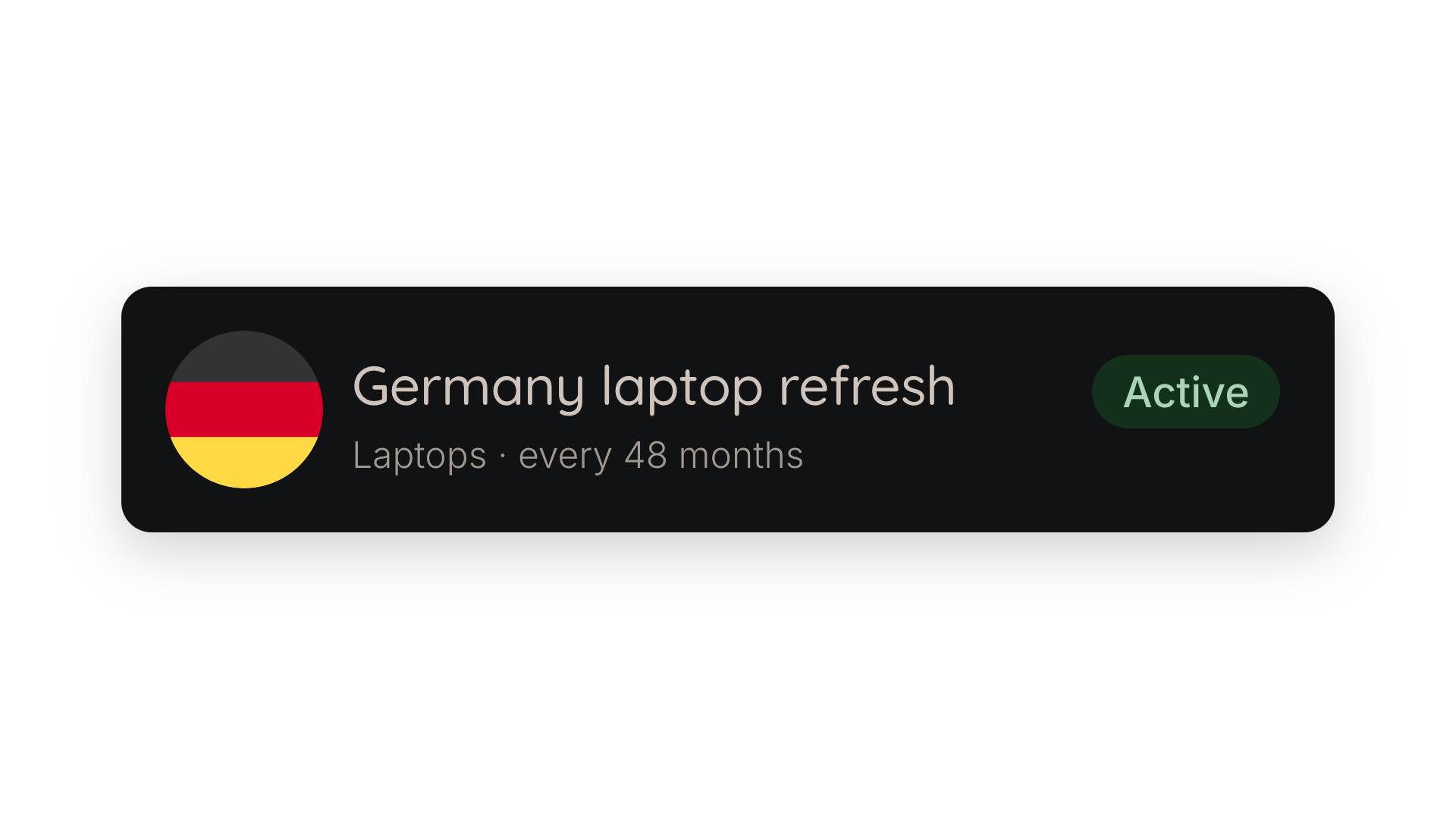
Write the rules from your IT policy, down to the ones that only apply to one country or one team. When the policy changes, you change the rule and the next run follows it.
Across every asset type
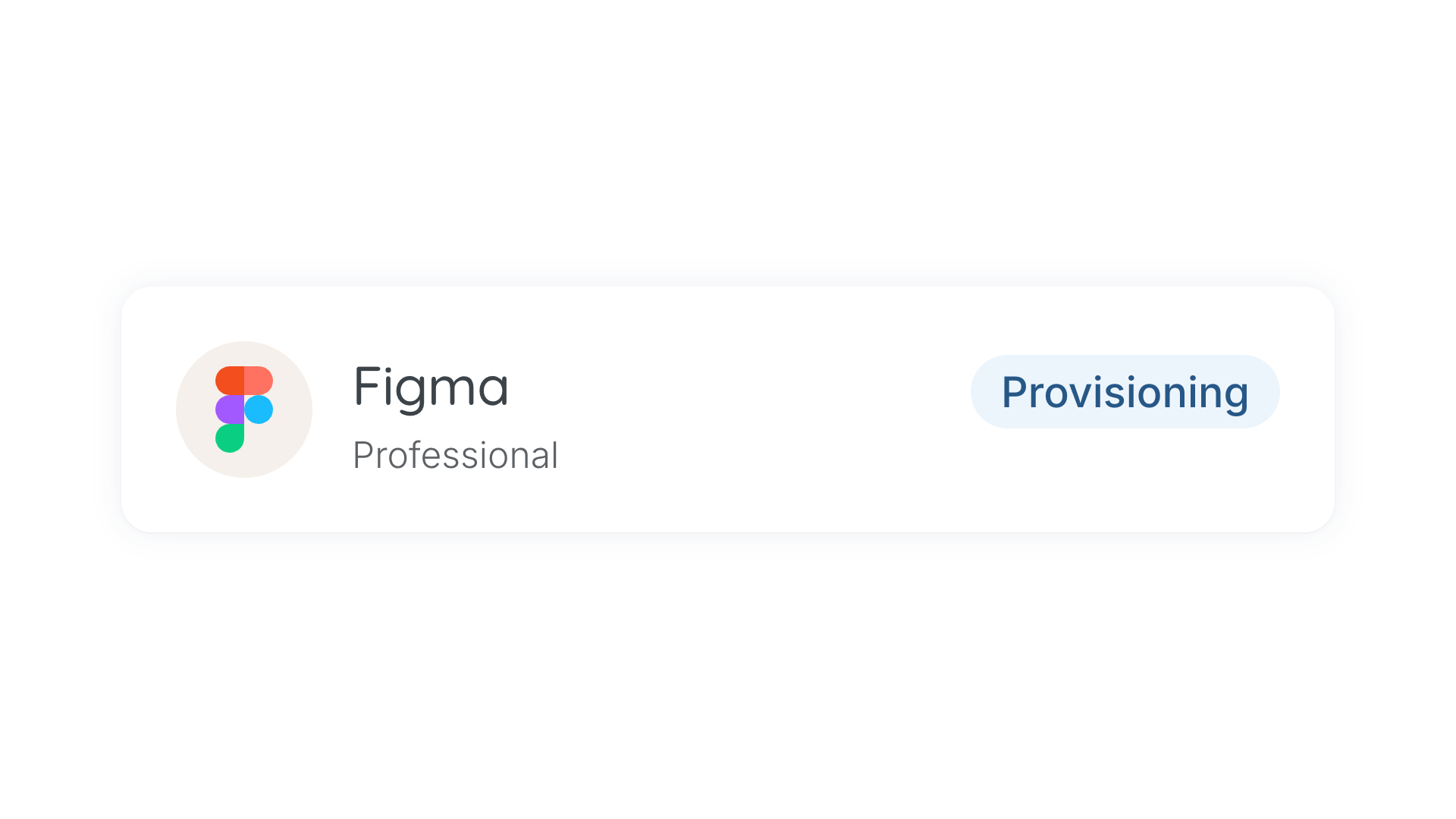
One workflow can reserve hardware, provision software and SaaS, and activate a mobile plan, all in the same run.

Triggered by what's already happening
A hire in your HRIS, an event from MDM, a renewal date approaching. Velory acts on the signals from the systems you connect.


Start with one, add more
Automate onboarding first, then offboarding, then renewals. Every workflow you add makes the engine do more on its own.
FAQ
It's turning the IT steps your company repeats (onboarding, offboarding, approvals, renewals) into rules that run on their own when something happens, like a new hire in your HR system or a contract nearing renewal.
Yes. You set the rules: which role gets which kit, who approves an order, how long a leaver keeps access. Velory runs them as written, and you change them when the policy changes.
A new hire or leaver in your HRIS, a change to a device, or a contract or renewal date coming up.
Reserve hardware, provision software and licences, activate a mobile plan, notify people, and more, across every asset type in one run.
Yes. You can see what a workflow will do before it acts on a real employee, laptop or licence.
No. Start with one workflow, like onboarding, and add more over time.
Yes. Every run is logged, and you can step in at any point.