
What changes when the office empties
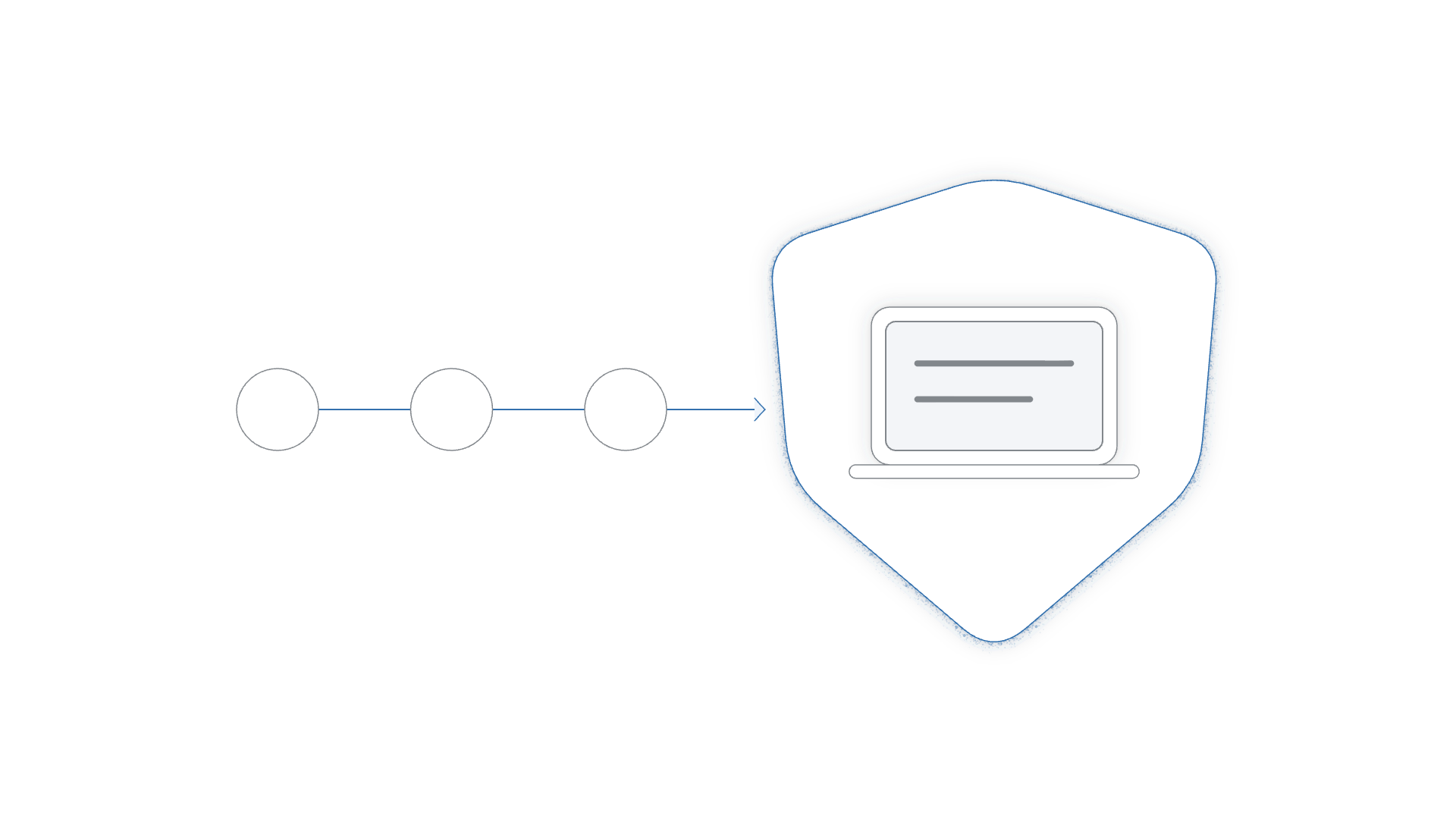
In an office, IT has a physical presence. New hires pick up their laptop at the desk. Leavers drop it off. Broken devices get swapped same-day. The IT team can see what's deployed because it's in the same building.
Remote-first removes all of that. Every device is a logistics event. Every onboarding is a shipment. Every offboarding is a retrieval across postal systems you may not control.
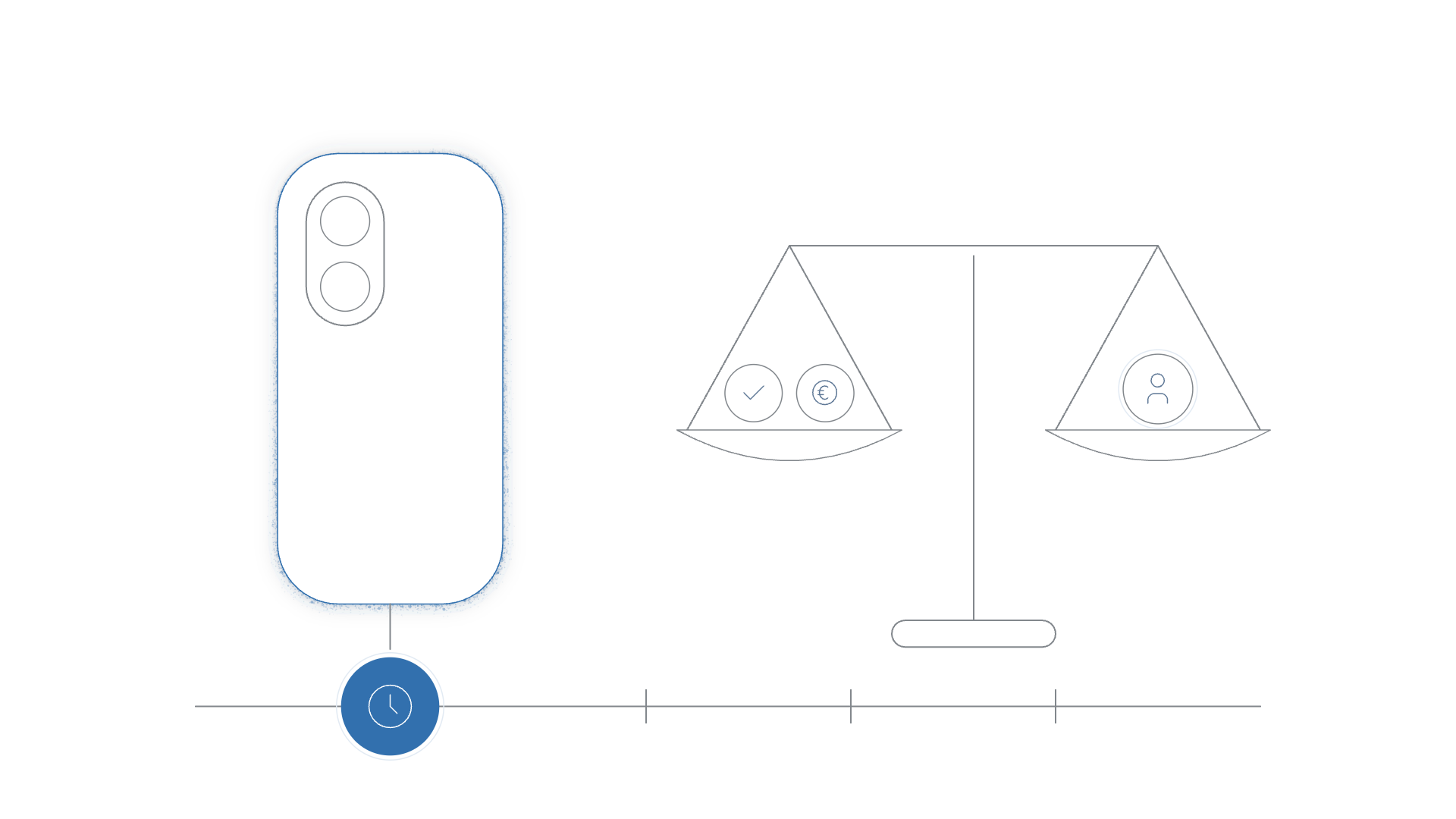
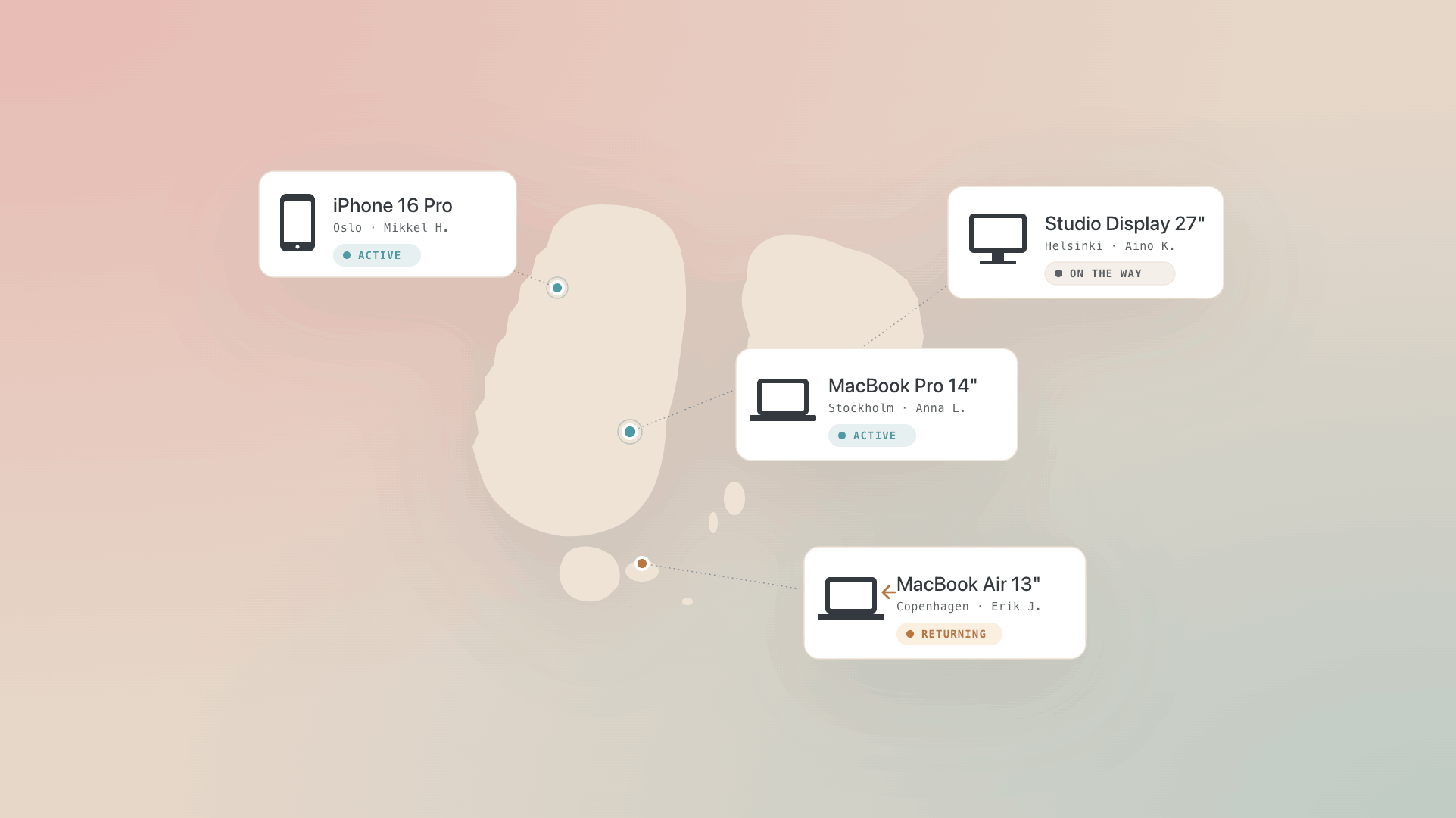
For companies with employees across multiple Nordic countries (Stockholm, Copenhagen, Helsinki, Oslo), the complexity multiplies. Different suppliers in each country, different mobile operators, different return logistics.
Five things that separate companies that handle remote well from those that don't
Based on what we hear from IT teams managing distributed workforces, five capabilities matter most:
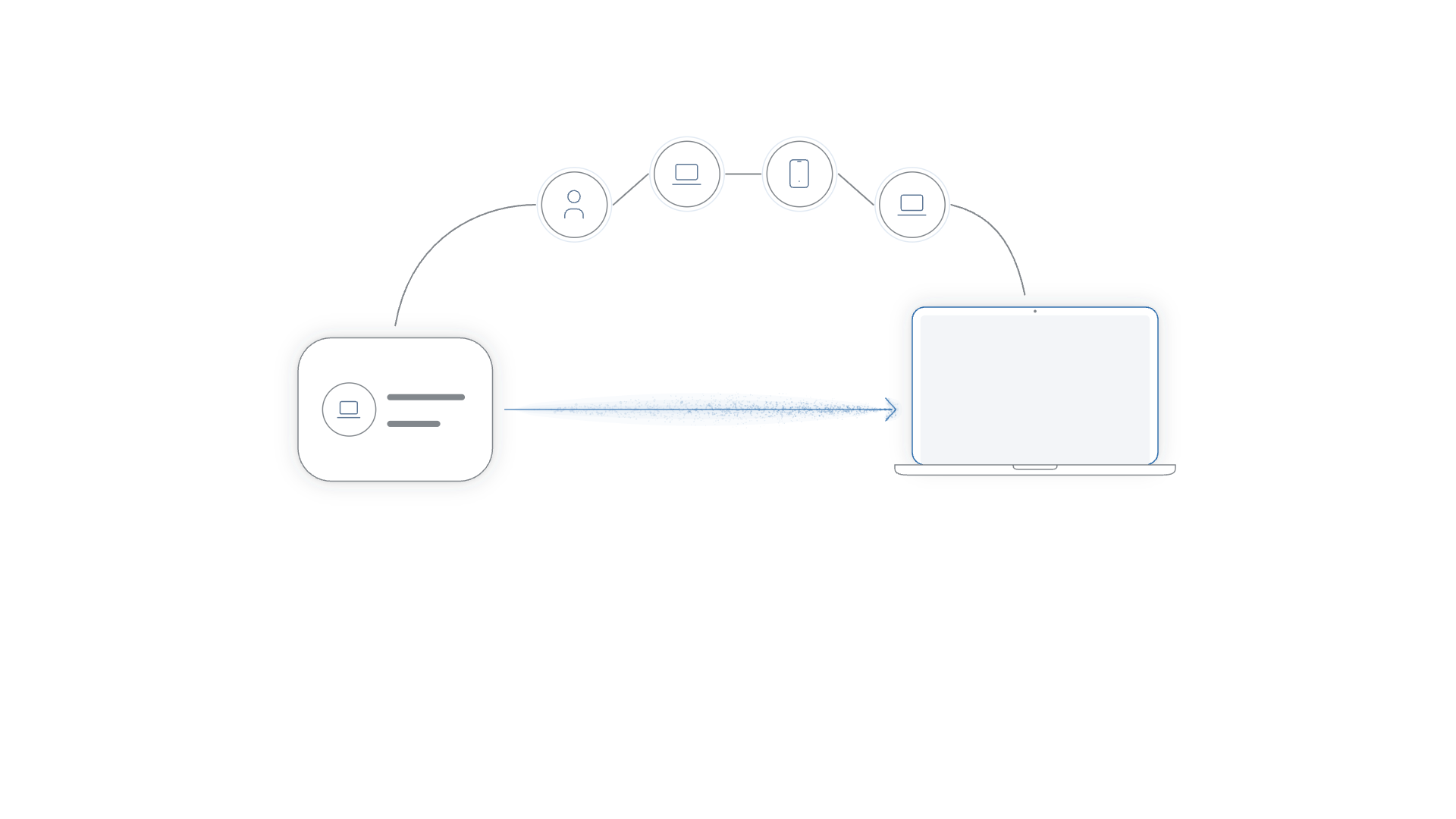
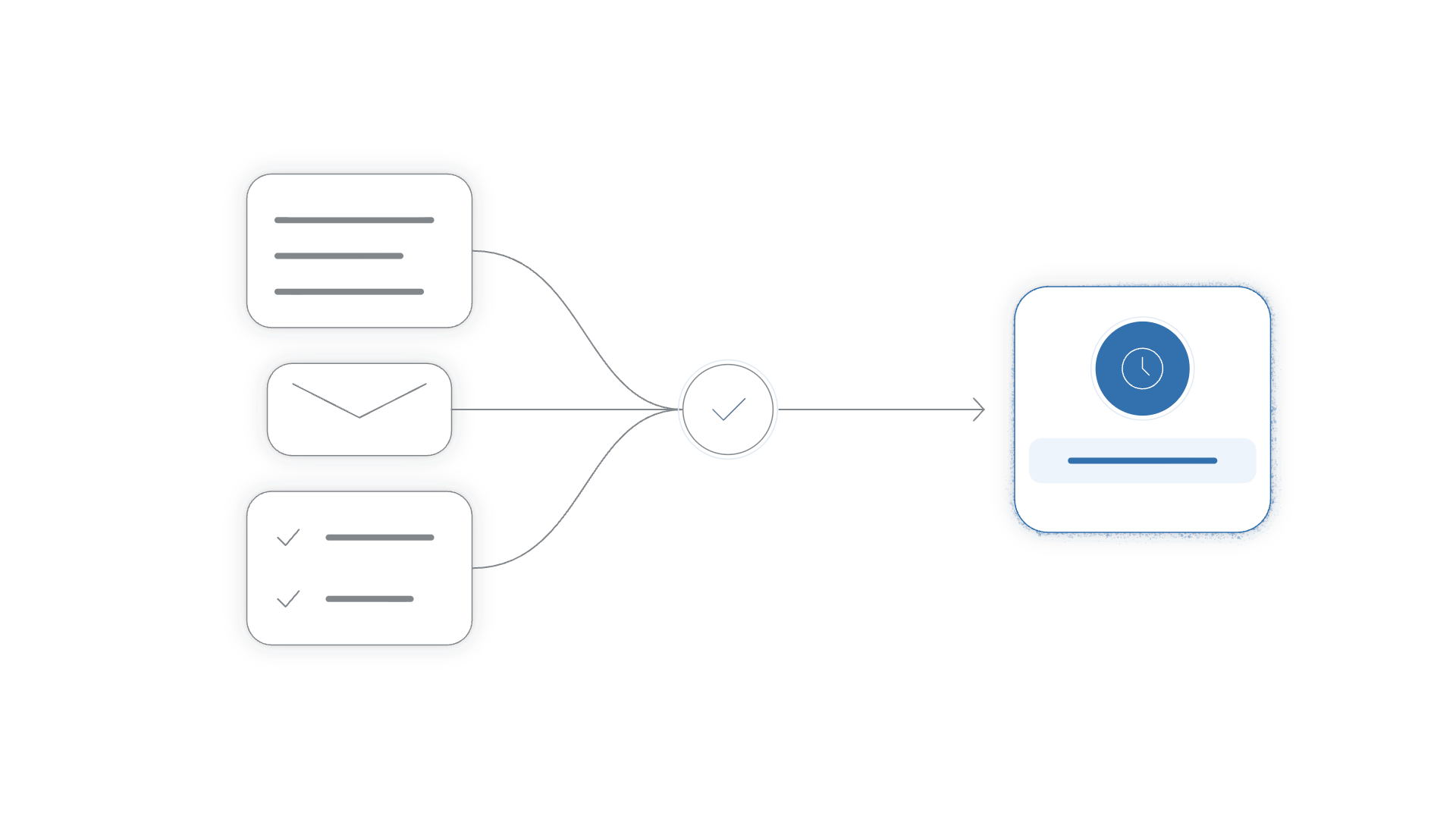
- Automated provisioning. When HR creates a new employee, the device order should trigger automatically: configured, enrolled in MDM, and shipped directly to the employee's home. No manual emails to IT.
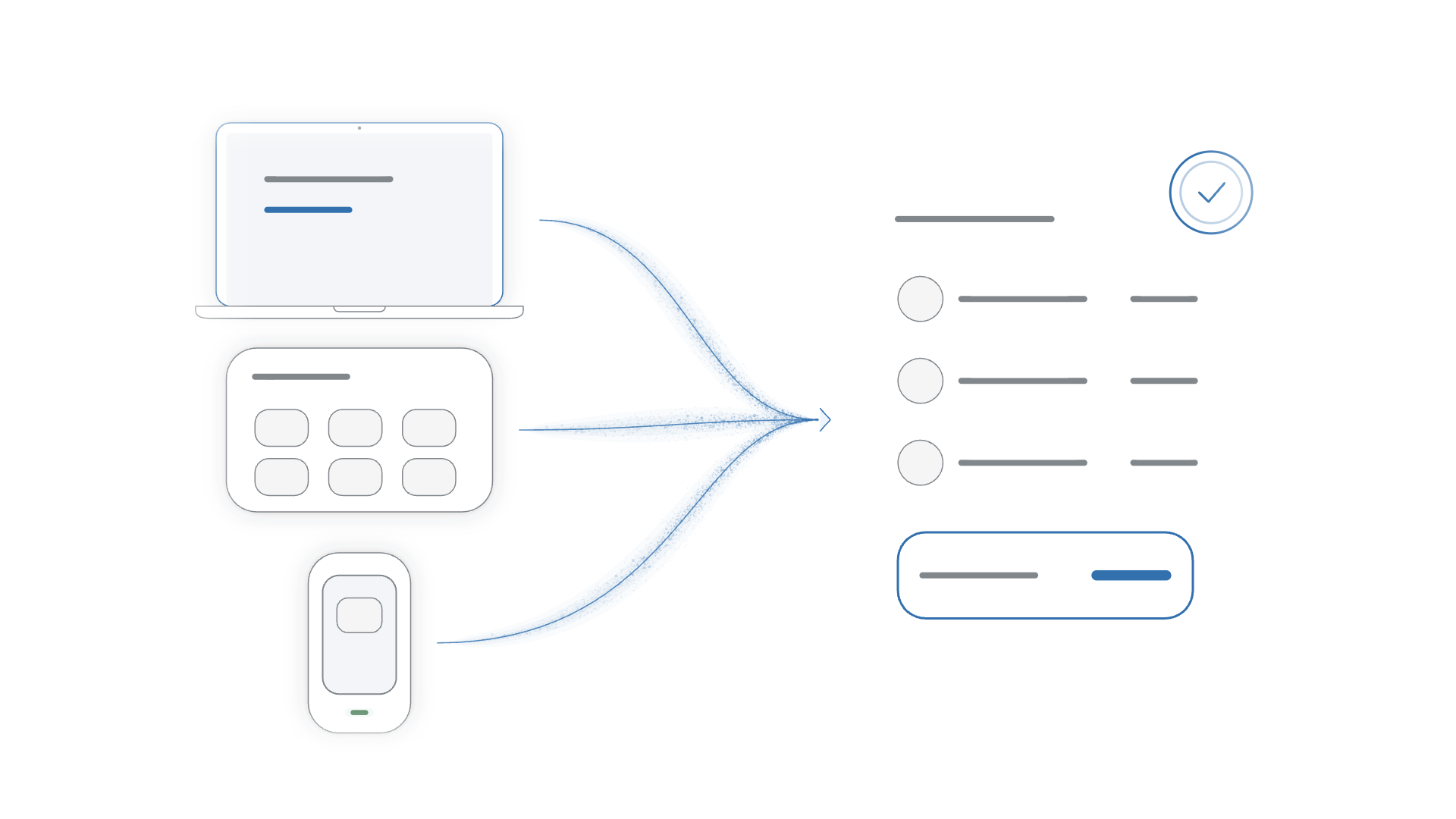
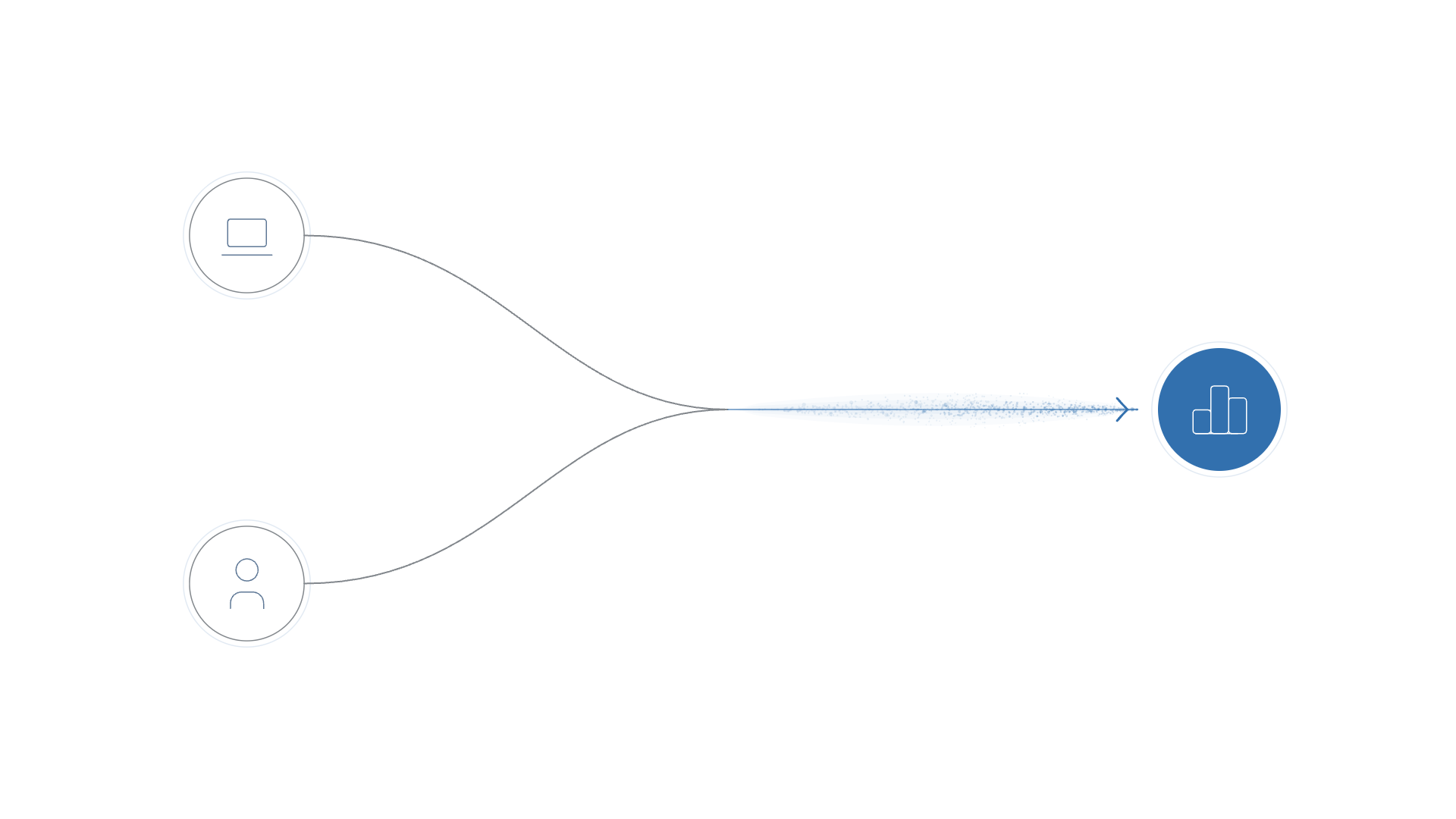
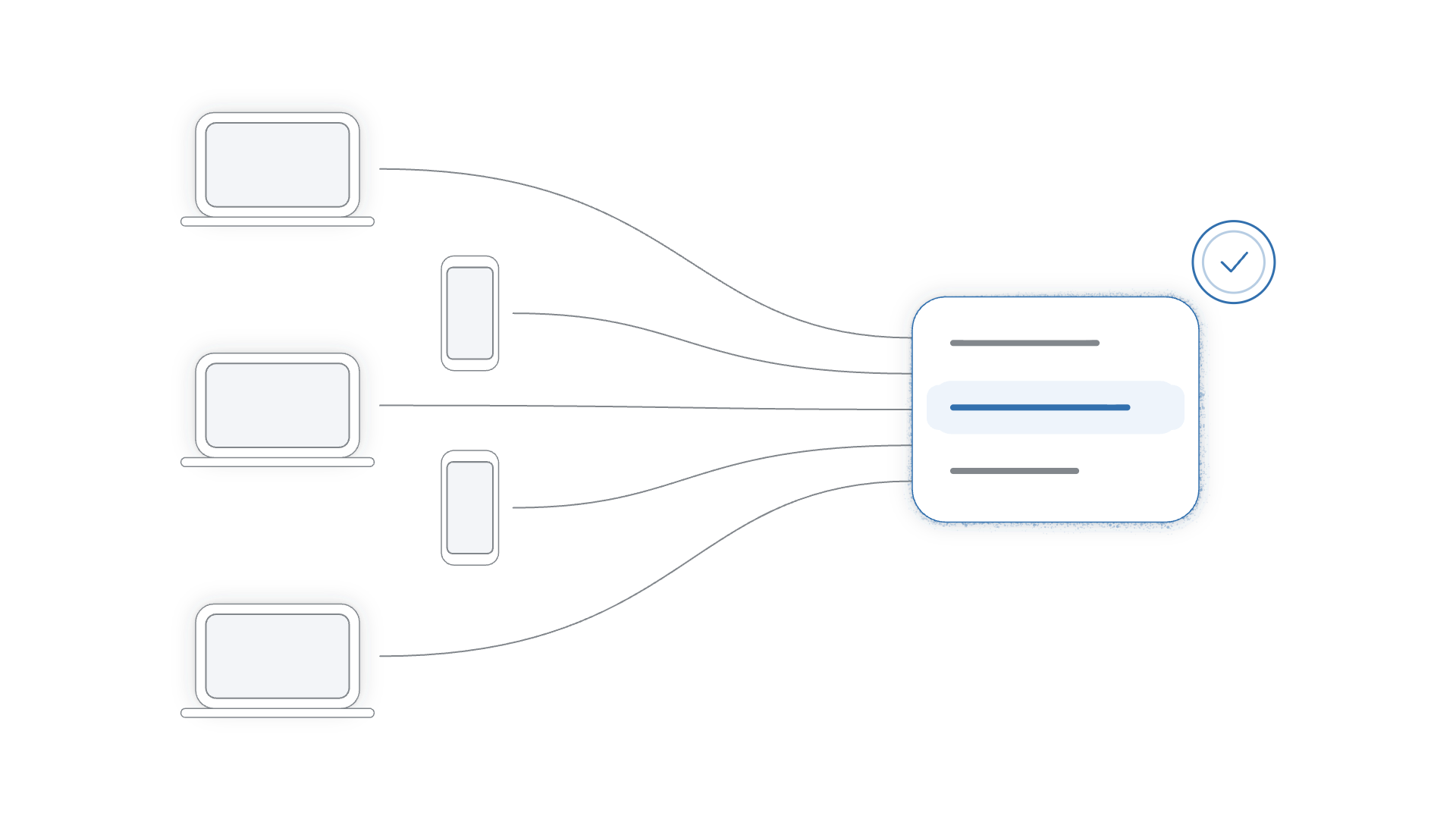
- Real-time visibility. You need to know who has what, where it is, and what condition it's in, without walking a building. MDM sync and a centralised asset register replace the physical walkthrough.
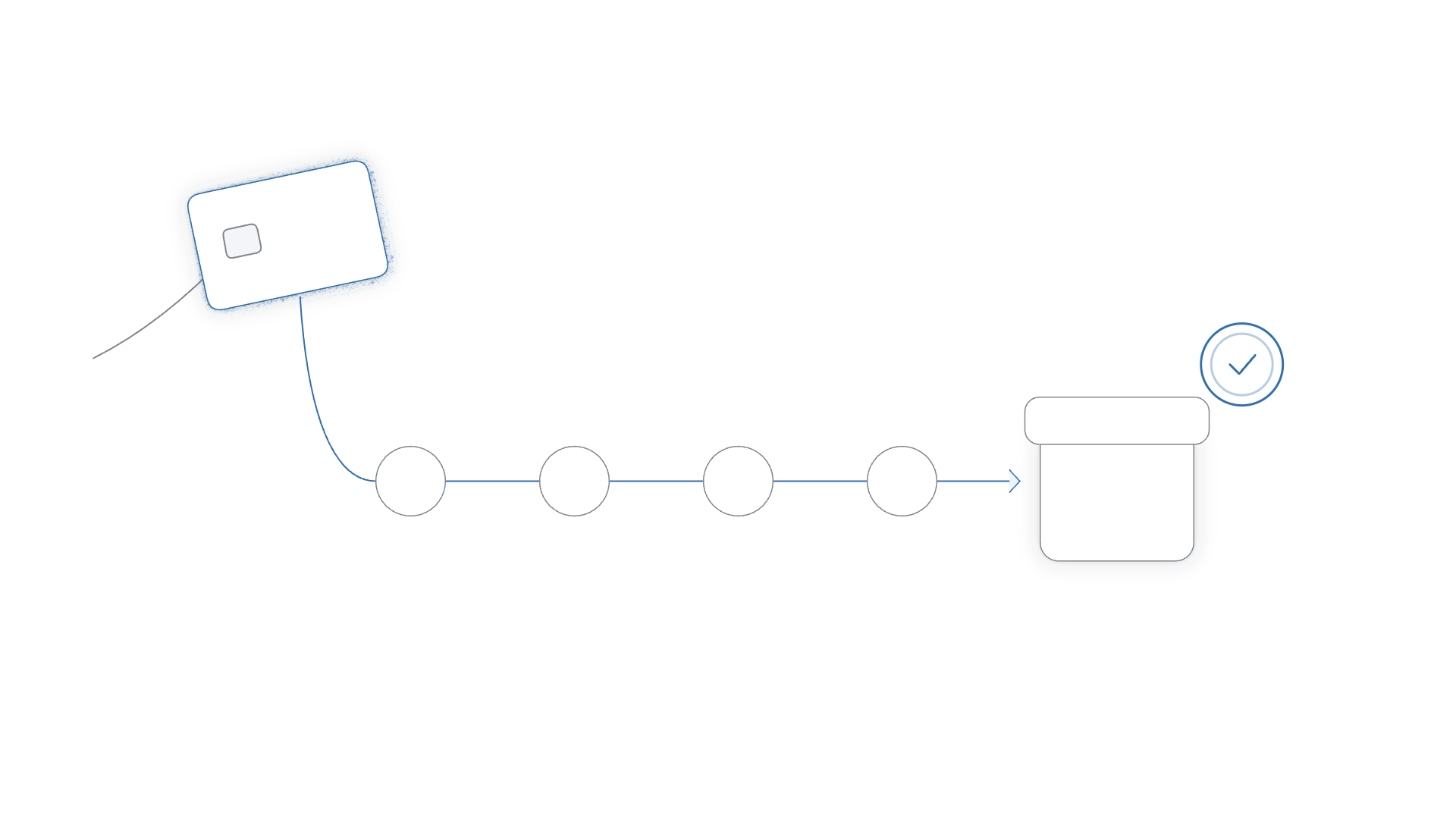
- Remote offboarding. Getting a device back from someone's apartment requires a return workflow: shipping labels, condition tracking, and a clear path to redeployment or disposal. This can't rely on someone "dropping it off."
- Software and mobile governance. Remote workers depend on SaaS tools and mobile subscriptions. If offboarding only covers the device, licenses keep billing and plans stay active for months.
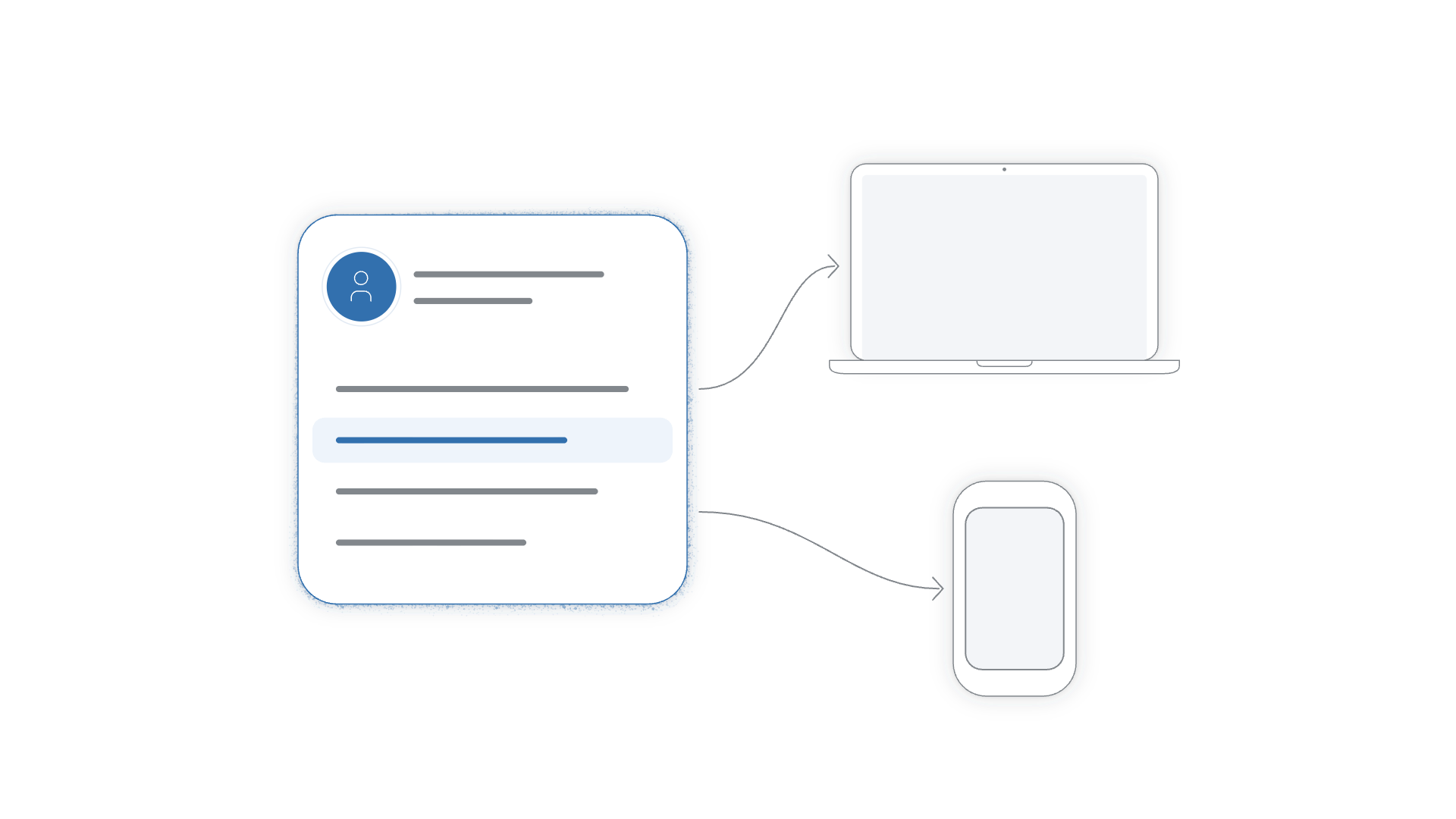
- Supplier-agnostic sourcing. In multi-country operations, you may buy from Dustin in Sweden, another one in Norway, and another local distributor in Finland. Your lifecycle system needs to work with all of them, not lock you into one.
A remote-readiness check
If your company is moving back to remote-first, ask your IT team these five questions:
- Can we provision a device to a new hire in another country without someone on-site touching it?
- Can we answer "who has what?" for every employee in every location right now?
- Can we retrieve a device from a leaver's home address reliably?
- Do we offboard software licenses and mobile subscriptions in the same flow as the device?
- Can we switch suppliers in a new country without rebuilding our process?
If the answer to any of these is "not really," that's the gap worth closing before the next wave of remote hiring.
Explore how Velory handles IT lifecycle management for distributed teams, try the interactive demo.
FAQ
What is remote asset management?
Remote asset management is the practice of tracking, provisioning, and recovering IT equipment for employees who work outside a central office. It covers the full lifecycle: ordering and shipping devices to home addresses, maintaining real-time visibility into who has what, and retrieving hardware when someone leaves.
How do you manage IT assets across multiple countries?
Connect your existing tools (MDM, HRIS, suppliers) into one system that works across borders. Use supplier-agnostic integrations so you can buy from Dustin in Sweden, Komplett in Norway, and a local distributor in Finland, all through the same ordering flow.
How do you offboard remote employees' devices?
Trigger a return workflow automatically when HR marks someone as leaving. Generate a shipping label, track the return, inspect the device on arrival, and route it to redeployment, refurbishment, or certified disposal. The same trigger should also revoke software licenses and terminate mobile subscriptions.
What tools do you need for distributed IT lifecycle management?
You need automated provisioning (device orders triggered by HR events), real-time visibility (centralised asset register synced with MDM), remote offboarding workflows, software/mobile governance, and supplier-agnostic sourcing. Velory is built to handle all five for mid-market companies.
Remote-first is becoming the default again for a growing number of European companies. The reasons vary: office leases expiring, employee retention, operational costs. But the effect is the same: IT teams need to manage devices, software, and mobile subscriptions for people they never see in person.
The collaboration tools are sorted. Zoom, Slack, VPNs, all solved. What hasn't been solved is the IT lifecycle underneath: how devices get to employees, how they're tracked, and what happens when someone leaves.