The real cost of a slow offboarding process
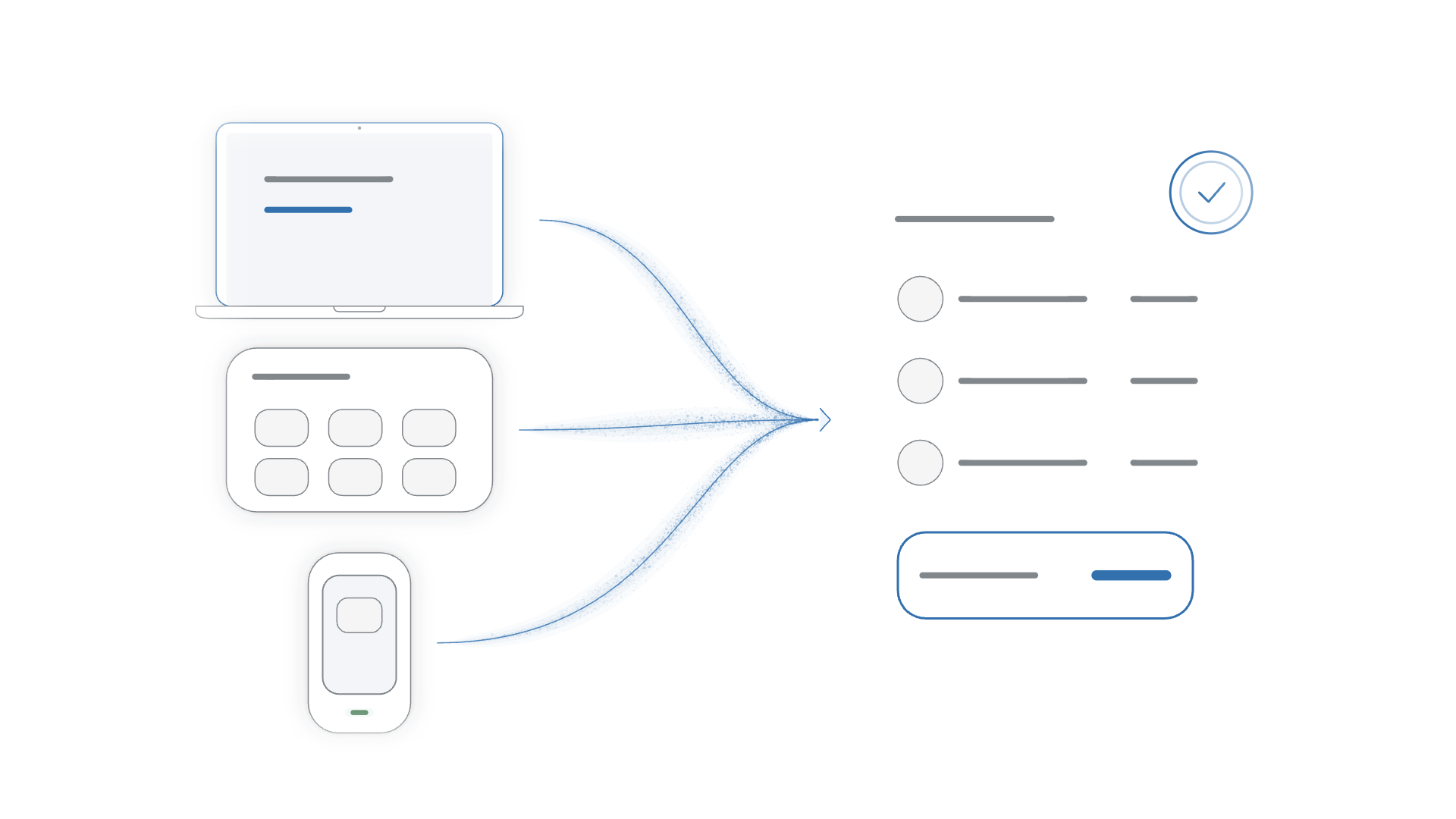
When someone leaves, three things need to happen:
- The hardware needs to come back. Laptop, phone, peripherals, that dock nobody remembers issuing. It needs to be wiped, checked, and either sent to the next hire or routed to certified disposal.
- Software access needs to be revoked. SSO deprovisioned, paid license seats reclaimed or reassigned, shared files transferred, and any shadow IT accounts flagged. This is the step that almost always gets skipped.
- Mobile subscriptions need to be terminated. The plan suspended, the SIM recovered or wiped, the billing stopped.
Most companies handle the first step and call it done. The other two keep running in the background. A single unused SaaS license costs anywhere from 10 to 50 euros a month. Multiply that across everyone who's left in the past year without proper license reclamation. That's where the quiet money goes.
Our data shows that 20% of company devices are unassigned at any given time. Not broken, not decommissioned, they just sit there, costing money through depreciation while new hires wait for fresh orders that didn't need to happen.

Why device retrieval is harder than it sounds
If your company has one office, getting a laptop back is straightforward: someone drops it at the IT desk.
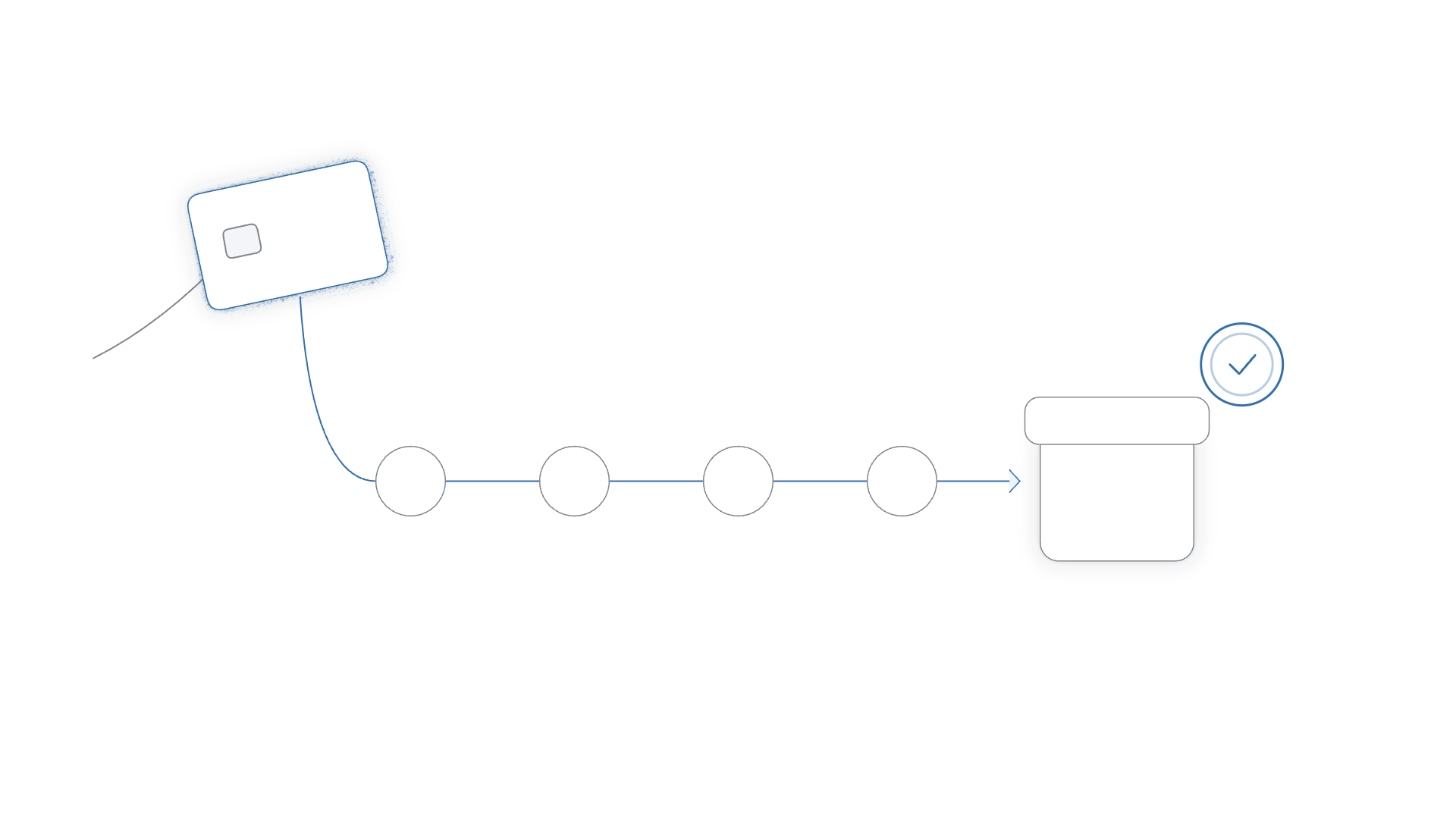
But for distributed companies with employees across the Nordics or multiple European countries, it becomes a logistics problem that most IT teams aren't set up to solve. There's no IT desk in Aarhus and no one to hand the laptop to in Helsinki. You're sending shipping labels, tracking returns, inspecting conditions on arrival, and hoping the device actually shows up.
When retrieval fails, the consequences stack fast. A device that doesn't come back can't be redeployed. One that isn't wiped is a security risk sitting in someone's home office. One that sits in a drawer for six months depreciates while a new hire waits for an order that could have been avoided.
We hear this from IT teams constantly. The hardest part of offboarding isn't the technical wipe. It's the physical retrieval.
What should happen to a returned laptop
Once a device comes back, there are four paths. Which one it takes should be a policy, not a judgement call.
- Redeploy: Wipe it, reconfigure it, assign it to the next hire. A three-year-old laptop in good condition doesn't need replacing. It needs a new owner. Most cost-effective, most sustainable.
- Refurbish: If the device needs minor repair or a component swap, route it through a refurbishment partner before redeploying. Extends the usable life and supports circular IT goals.
- Certified disposal: For end-of-life devices, certified IT Asset Disposition (ITAD) ensures compliant data destruction and responsible recycling. With CSRD reporting requirements tightening for European companies, the audit trail showing how hardware was retired is becoming a compliance necessity.
- Storage: Sometimes a device is held temporarily between employees. But "temporary" has a way of becoming permanent. If a device has been unassigned for more than 90 days, flag it. Either redeploy it or dispose of it. Drawers are not a lifecycle stage.
The software and mobile layer most companies miss
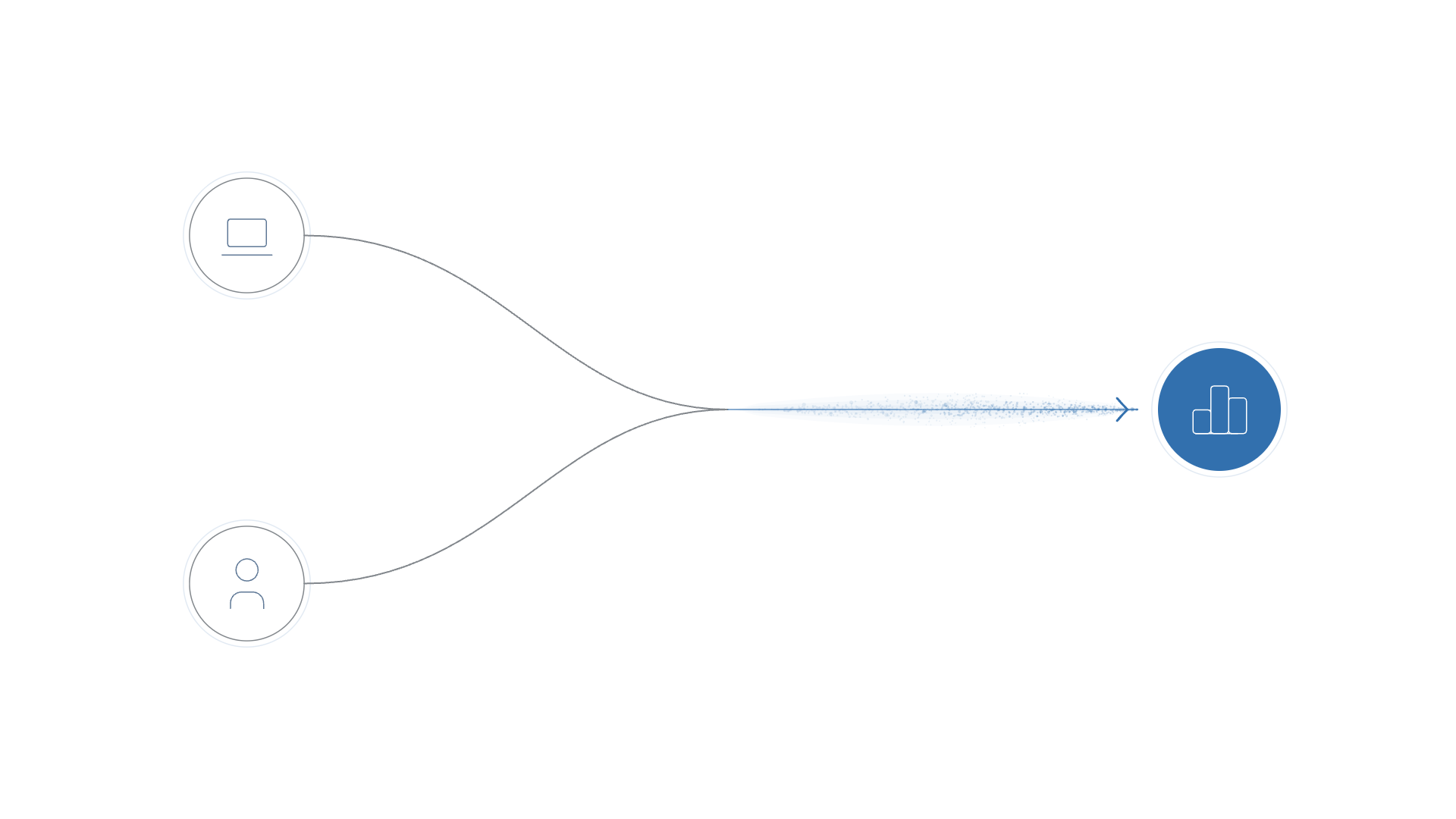
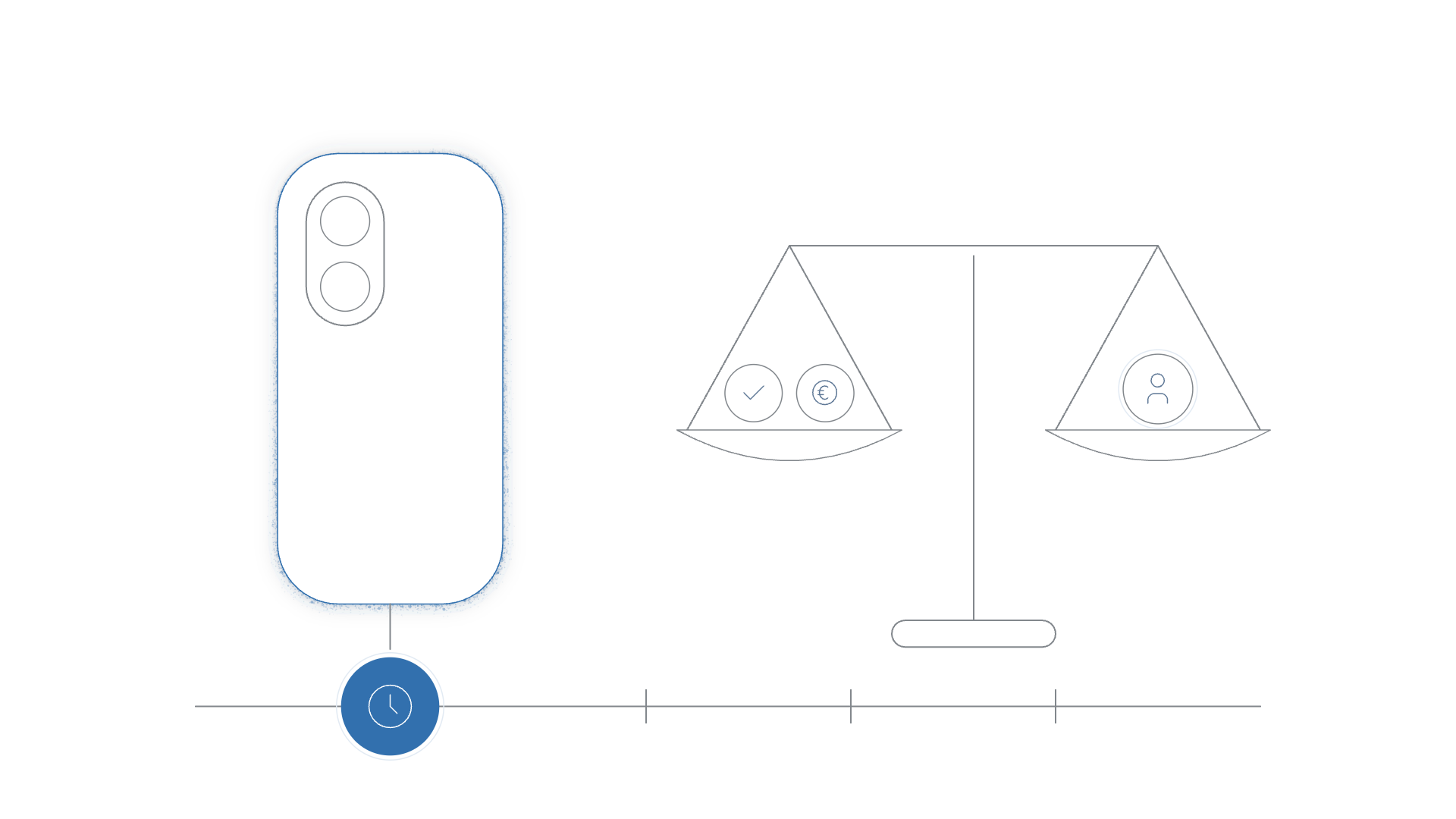
Device retrieval gets the attention because laptops are physical and expensive. But the invisible costs often add up faster.
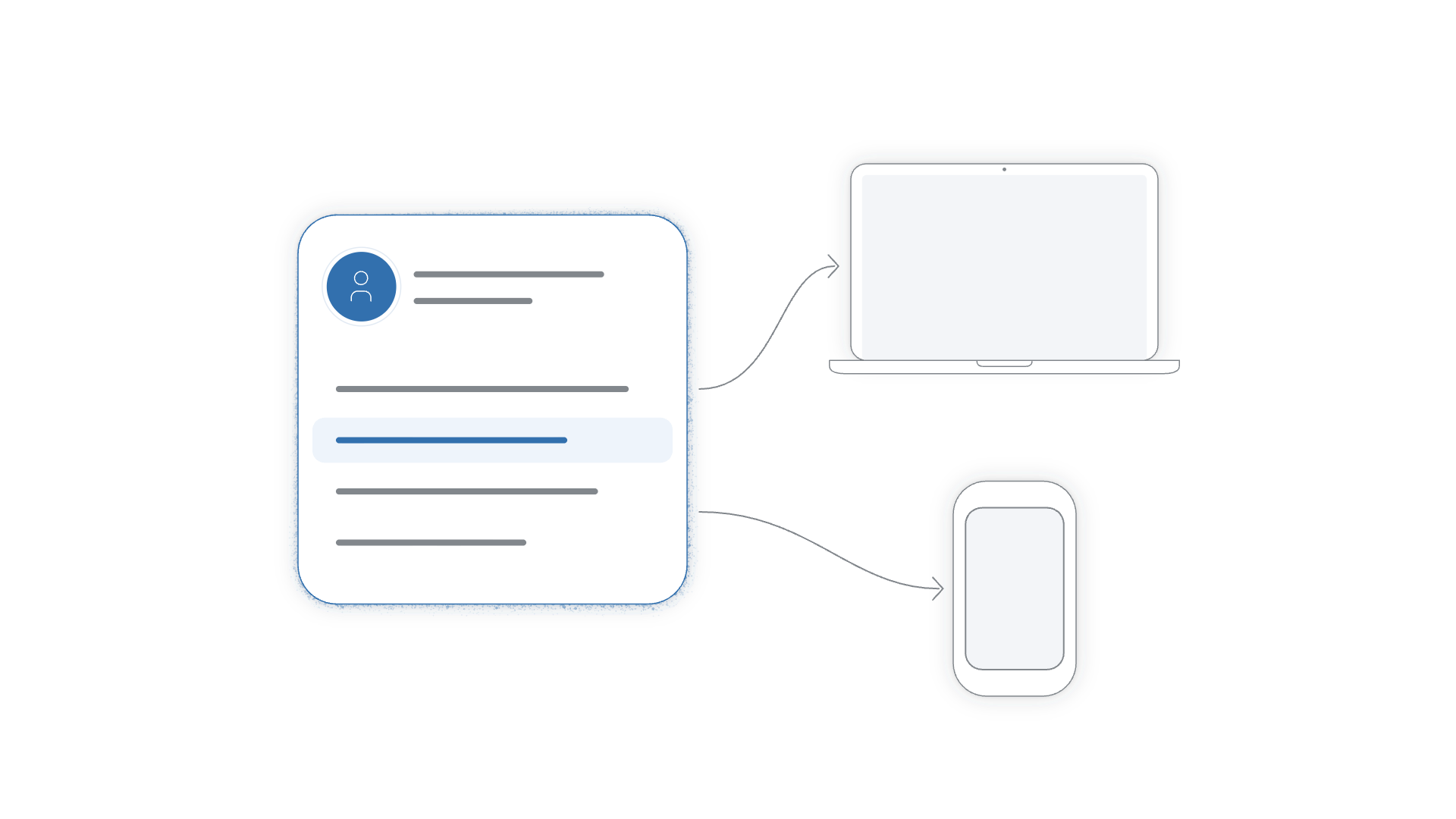
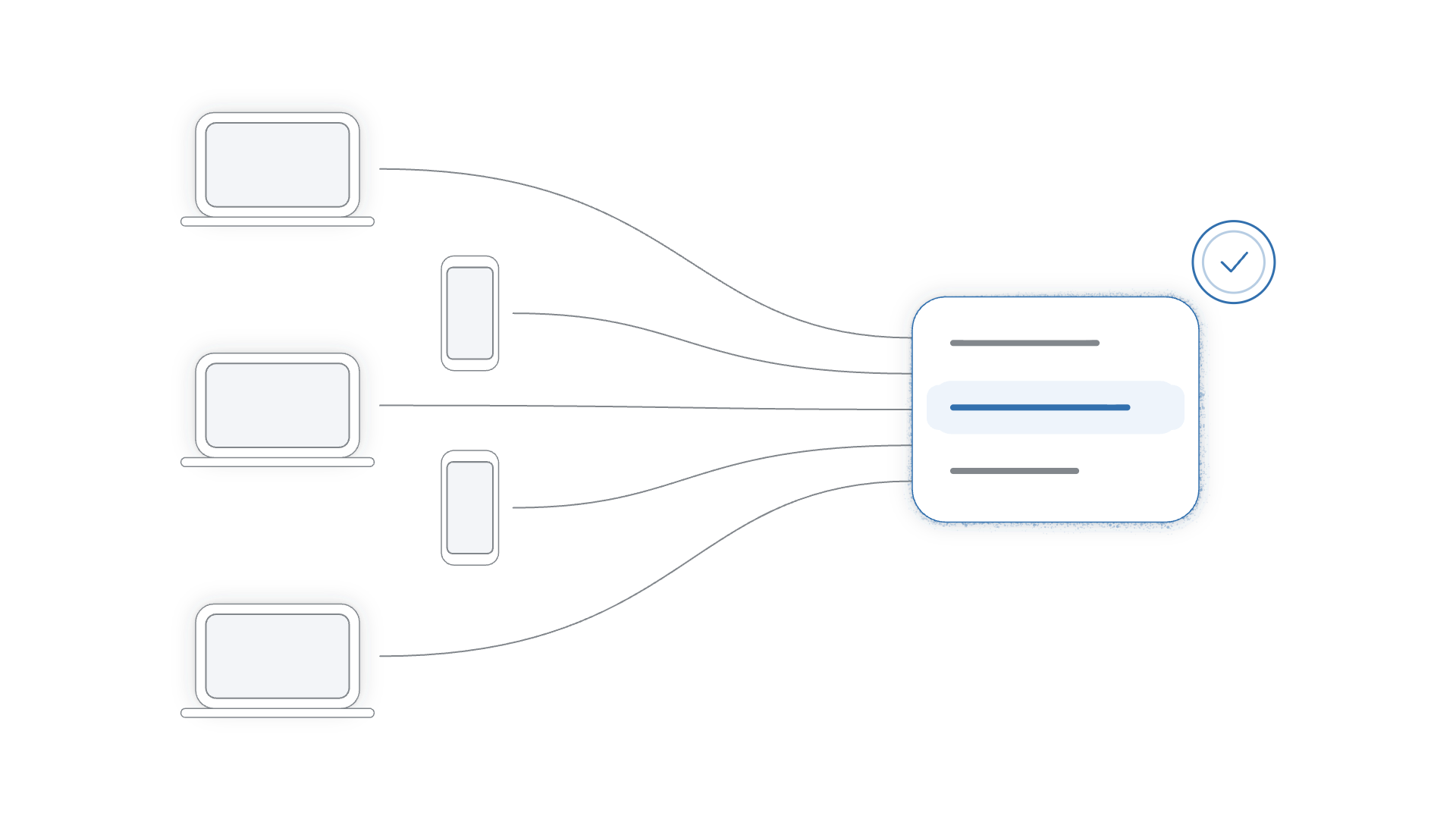
The reason these costs persist is structural. Hardware, software, and mobile subscriptions are managed in different systems by different people. HR triggers the offboarding event, but HR doesn't know which SaaS tools the person was using. IT knows the device but maybe not the mobile subscription. Finance sees the invoices months later, without enough context to act.
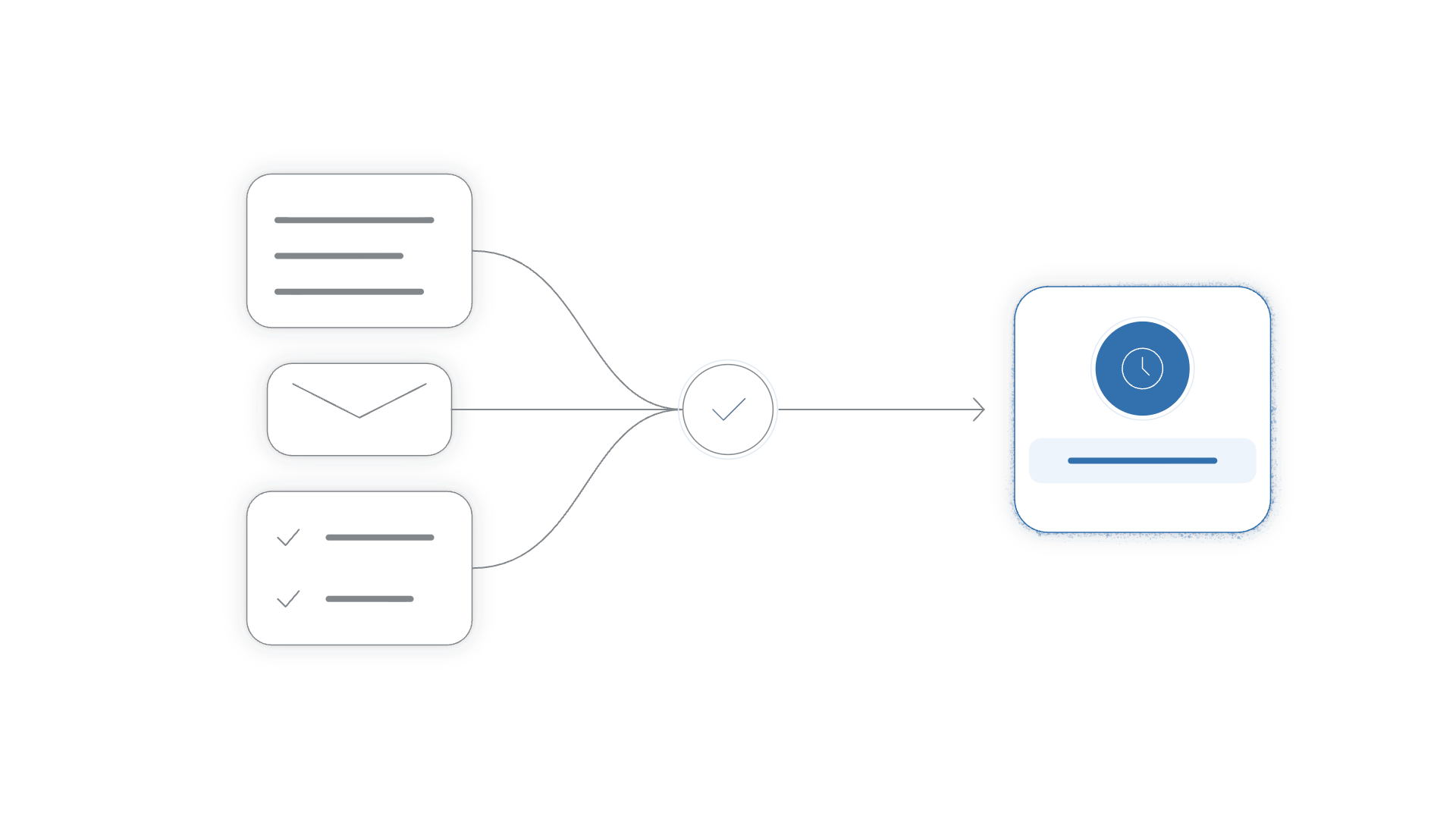
Lifecycle governance solves this by treating offboarding as one event that triggers actions across all three layers automatically. HR says "this person is leaving." The engine handles hardware recovery, license revocation, and subscription termination. No tickets. No hoping someone remembers.
How to build a better offboarding process
The fix isn't a better checklist. It's connecting the systems so the checklist runs itself.
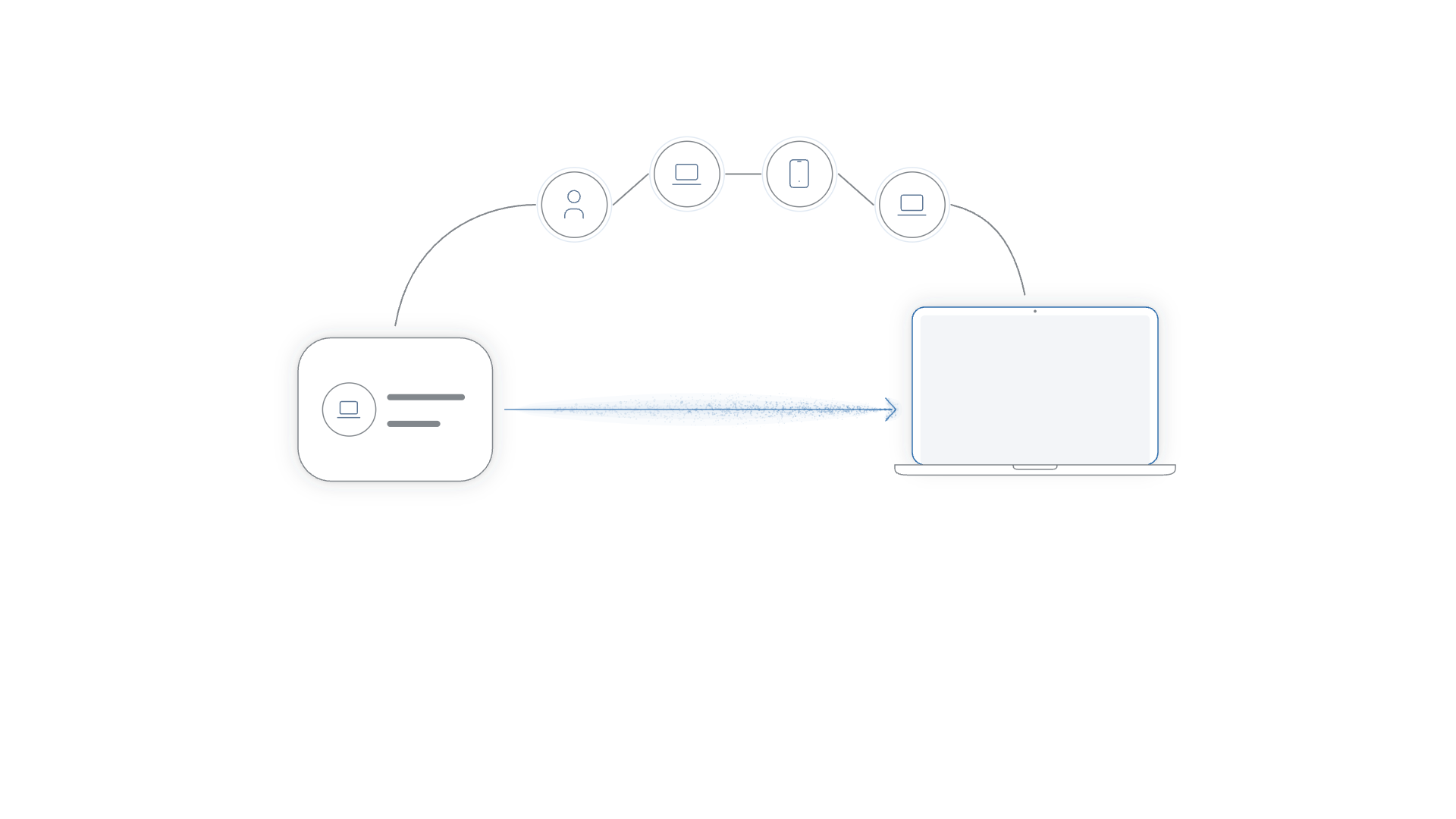
Start by connecting your HR system to your IT lifecycle management. When HR marks someone as leaving, that event should trigger a device return workflow, license revocation, and mobile subscription termination in parallel. No manual handoffs between teams.
If you're not ready for full automation, start with visibility. Know exactly which devices, licenses, and subscriptions are assigned to each employee. When you can answer "what does this person have?" in five seconds instead of forty-five minutes, every offboarding event gets simpler.
For the devices that come back: build a routing policy and enforce it. Redeploy if under three years and in good condition. Refurbish if it needs minor work. Certify disposal if it's end of life. Anything unassigned for more than 90 days gets flagged automatically.

The bottom line
"What happens to company laptops when employees leave?" should be the easiest question an IT team answers. In practice, it's one of the hardest, because it was never just about the laptop.
It's the licenses still billing. The mobile plan nobody cancelled. The device depreciating in a drawer. The replacement order that didn't need to happen. The security risk sitting in someone's apartment.
Lifecycle governance means one event triggers actions across hardware, software/SaaS, and mobile subscriptions. Every time. That's the standard worth building toward.
Want to see how this works? Explore the interactive Velory demo, no sign-up required.
FAQ
What happens to company laptops when someone leaves?
The device should be wiped, inspected, and either redeployed to the next hire, refurbished, or routed through certified ITAD for compliant disposal. In practice, most companies only handle the device and miss the software licenses and mobile subscriptions that keep billing.
How long should IT offboarding take?
With connected systems, offboarding can trigger automatically the moment HR marks someone as leaving. Without automation, most IT teams report it takes days to weeks, and things still fall through.
What is ITAD?
IT Asset Disposition (ITAD) is the process of responsibly disposing of end-of-life IT equipment. Certified ITAD providers ensure compliant data destruction and responsible recycling, which matters for CSRD and WEEE compliance in Europe.
What percentage of company devices are unassigned?
Velory's data shows that roughly 20% of company devices are unassigned. Not broken, just sitting idle, depreciating while new orders get placed.
An employee's last day is Friday. By Monday, IT is supposed to have the laptop back, wiped, and ready for the next person. That almost never happens on time.
The device sits at the former employee's home for weeks. Or it comes back but nobody wipes it for a month. Or it goes into a drawer and stays there until someone does an inventory six months later and asks, "whose laptop is this?"
Based on 100+ conversations with IT teams at mid-market companies, offboarding consistently ranks as the second most time-consuming IT process, right after onboarding. And the real pain isn't just the device, but everything attached to it.