

The best IT lifecycle management software is the one that covers every asset your people use, through every stage, without a year-long project before it pays off. If you want hardware, software and SaaS licences, and mobile subscriptions run from one record per employee, from onboarding to end of life, Velory is the tool on this list built for that job. It's also ours, so we'll show how we ranked it and mention when another tool is the better pick.
And there are real cases for the others. If you mainly need laptops shipped, stored and collected in 130+ countries, a logistics-first provider such as Workwize or Deel IT fits better. If your team lives in a service desk, the asset modules in Freshservice or InvGate may be enough. Below you'll find six things to check, a comparison table, and a section on each tool.
How do you choose IT lifecycle management software?
Start with what keeps going wrong today, then check each tool against these six points. They're the questions that separate a tool that records assets from one that runs their lifecycle.
1) Which assets does it cover? Laptops and phones are the obvious part. Licences, AI tools and mobile subscriptions are where money leaks, because they keep billing after someone leaves. Check whether all of them sit on the same employee record or live in separate systems.
2) Does onboarding and offboarding start from your HR system? A new hire or a leaver in your HRIS should be enough to start the order, the access and, later, the return. If that trigger ends up as just another checklist someone has to pick up, the handoff is where things get dropped.
3) What happens at end of life? Ask how a device gets back, whether employees can buy it out, how trade-in and data wiping work, and whether the licence and the SIM are closed in the same flow.
4) Can you keep your own suppliers? Some tools sell you the hardware. Others let you use the local suppliers that suit each market, one or several. Both models work; they suit different companies.
5) Does it connect to what you already run? MDM, HRIS and identity provider are the three that matter first. Each connector you add should make the tool smarter, and you should be able to start before all of them are in place.
6) How fast is it live, and where does your data go? Ask for a realistic go-live time and where data is processed. For European companies working with GDPR and NIS2, that second answer matters as much as the first.
How did we rank these tools?
We ranked by how much of the lifecycle each tool covers across the three asset types (hardware, software and SaaS, mobile subscriptions), using only what each vendor states on its own public pages in October 2026. A lower position doesn't mean a worse product. Several tools further down are very good at a narrower job, and the "best for" line tells you which job that is.
How do the top IT lifecycle management tools compare?
Which IT lifecycle management tools are worth a look in 2026 and 2027?
1. Velory
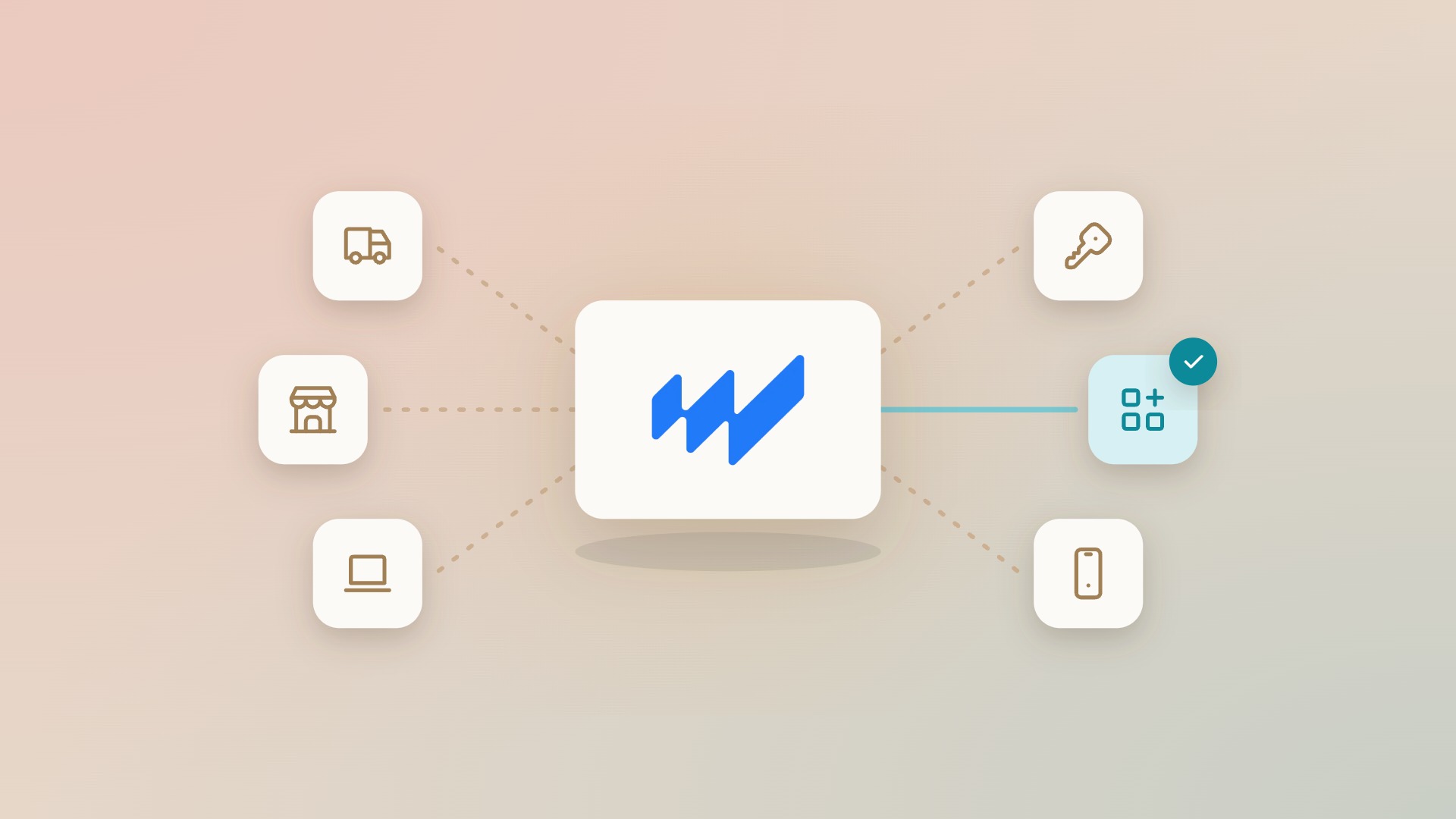
Velory is the engine that runs IT lifecycle management across hardware, software and SaaS, and mobile subscriptions, with every asset on the employee who holds it, from the first order to end of life. You set policies that match how your company works: what people can have, what needs approval, and what happens when someone leaves. Velory then runs onboarding, requests and offboarding automatically, with approvals where you want them and the local suppliers that suit each market. AI tools go through the same lifecycle as the rest of your software. Velory compares real usage with the licences you pay for, so idle seats and AI subscriptions nobody uses get reclaimed before the renewal. IT spends its time on the decisions that need a person, not on closing tickets by hand.
Velory connects to the MDM, HR system, identity provider and suppliers you already use, including Jamf and Iru, is ISO 27001 certified and processes data with EU-based processors only. Playground Tech went live in under a week and Voyado reports 80% faster budget forecasting. Velory is also named a Representative Vendor in the Gartner 2026 Market Guide for Hardware Asset Management Tools.
Best for: companies looking to automate onboarding, offboarding and everything in between, across hardware, software and mobile.
Trade-offs: Velory has no warehouses or couriers of its own. Devices are shipped, stored and collected by the suppliers you choose, one or several in each market. It isn't a service desk either, so you keep your ticketing tool alongside it.
2. Oomnitza
Oomnitza describes itself as a "System of Trust" for IT asset data. Its hardware product promises one trusted record for every physical asset, reconciling procurement, MDM, EDR and ITSM data, and its software product does the same for installed and SaaS licences. It says it connects to "more than 1,500 data surfaces" and automates onboarding, refresh and recovery for joiners, movers and leavers.
Best for: complex IT estates where the hard problem is reconciling many data sources into one accurate record.
Trade-offs: its site doesn't cover mobile subscriptions, and it doesn't ship or collect devices, so you'll need suppliers and logistics alongside it.
3. Freshservice
Freshservice offers IT asset management either with Freshservice ITSM or on its own. Its lifecycle runs through six stages (discover, request, procure, deploy, manage, retire), and approved requests turn into purchase orders. The software side discovers on-premise and SaaS software, flags expired or over-licensed software and sends renewal alerts.
Best for: teams that already work from a service desk and want assets tied to every request.
Trade-offs: you get the most from it alongside Freshservice ITSM, and its ITAM pages don't cover mobile subscriptions or device shipping and collection.
4. InvGate Asset Management
InvGate's asset product leans on discovery: an engine that "identifies hardware, devices, servers, containers, databases, and cloud services" through an agent, integrations or network scans. It has modules for hardware, licence optimisation, software metering and software deployment, and connects to Intune, Jamf, AWS, Azure and ServiceNow CMDB. InvGate says it was recognised as a 2025 SPARK Matrix Leader for hardware asset management.
Best for: IT teams whose priority is a complete, discovered inventory, including infrastructure.
Trade-offs: its asset management page doesn't mention mobile devices or subscriptions, and it doesn't handle ordering or logistics. Asset Management focused.
5. Deel IT
Deel IT will "buy or lease, configure, and ship laptops and mobile devices" and says it manages the device lifecycle "consistently in 130+ countries". Repairs, loaners, recovery, storage and end-of-life clearance run in one flow, and at the end devices are "securely wiped and either retired or cleared for resale". App access is granted and revoked by role and employment status.
Best for: companies that want devices handled for them across many countries, especially if they already use Deel for HR or payroll.
Trade-offs: the product is device-led; software appears as app access rather than licence and spend management, and mobile plans aren't described.
6. Workwize
Workwize focuses on hardware logistics: "Equip any employee, in any country from one platform." It operates in 130+ countries with local warehousing, pre-provisions devices into Apple Business Manager or Autopilot, recovers devices through retrieval workflows and can resell, recycle or dispose of wiped devices with an audit trail. It works with 80+ HRIS, MDM, identity and ITSM tools and holds ISO 27001 and SOC 2 Type II.
Best for: teams spread across many countries that want one provider to source, ship and collect hardware.
Trade-offs: its site covers hardware only, so software licences and mobile subscriptions need another tool.
7. Snipe-IT
Snipe-IT is open-source asset management, "completely free" if you host it yourself, with paid hosting available. It tracks assets, licences, accessories, consumables and components, handles check-in and check-out with full history, and syncs users from Active Directory, LDAP or SCIM. It comes with 20 sync adapters for MDM and RMM tools, including Jamf and Intune.
Best for: teams that want a free, flexible asset register and are comfortable running it.
Trade-offs: self-hosting means you maintain it. It's also an asset register, not a lifecycle tool: it records what you own and who has it, but ordering, onboarding, offboarding and end of life happen somewhere else.
So which tool should you pick?
Pick from the problem you're trying to fix. If the leak is at offboarding, where laptops come back but licences and phone plans keep running, you want all three asset types on one record, which is what Velory is built for. If the pain is getting hardware into and out of 30 countries, start with Workwize or Deel IT. If your team works from tickets all day, look at Freshservice or InvGate first. Whatever you choose, ask each vendor to show a real leaver from start to finish, laptop, licences and SIM included.
Want to see that flow in Velory? Take the product tour and follow one employee from their first day to their last.
FAQ
What is IT lifecycle management software?
It's software that runs every IT asset through its whole life: ordering, setup, daily use, changes, return and end of life. Good tools tie each asset to the person using it, so onboarding, offboarding and cost reporting all come from the same record.
What's the difference between IT asset management and IT lifecycle management?
Asset management records what you own and who has it. Lifecycle management also acts on it: it starts the order when someone joins, reclaims what's idle and closes everything out when they leave.
Which tools manage hardware, software licences and mobile subscriptions in one place?
Of the seven tools here, Velory is the only one whose public site covers all three on one employee record. Oomnitza, Freshservice and InvGate cover hardware plus software or SaaS. Workwize and Deel IT focus on devices.
What is the best tool for automated IT lifecycle management?
If you want the lifecycle automated by policies you set, across hardware, software and mobile, Velory. If you want a provider to automate the physical side only (shipping, storage, collection), Workwize or Deel IT. If automation should live in your service desk, Freshservice.
How long does it take to get started?
It varies by tool and scope. Playground Tech went live on Velory in under a week and ZeroNorth in one month. Ask every vendor for a timeline based on your own integrations.