

IT data that fits your business
Velory connects your IT data with real-time insights and a universal API for seamless analysis and reporting.




When data is unified, decisions improve

Time Saved

Accurate Forecasting

Stronger Negotiations


Universal API for IT data

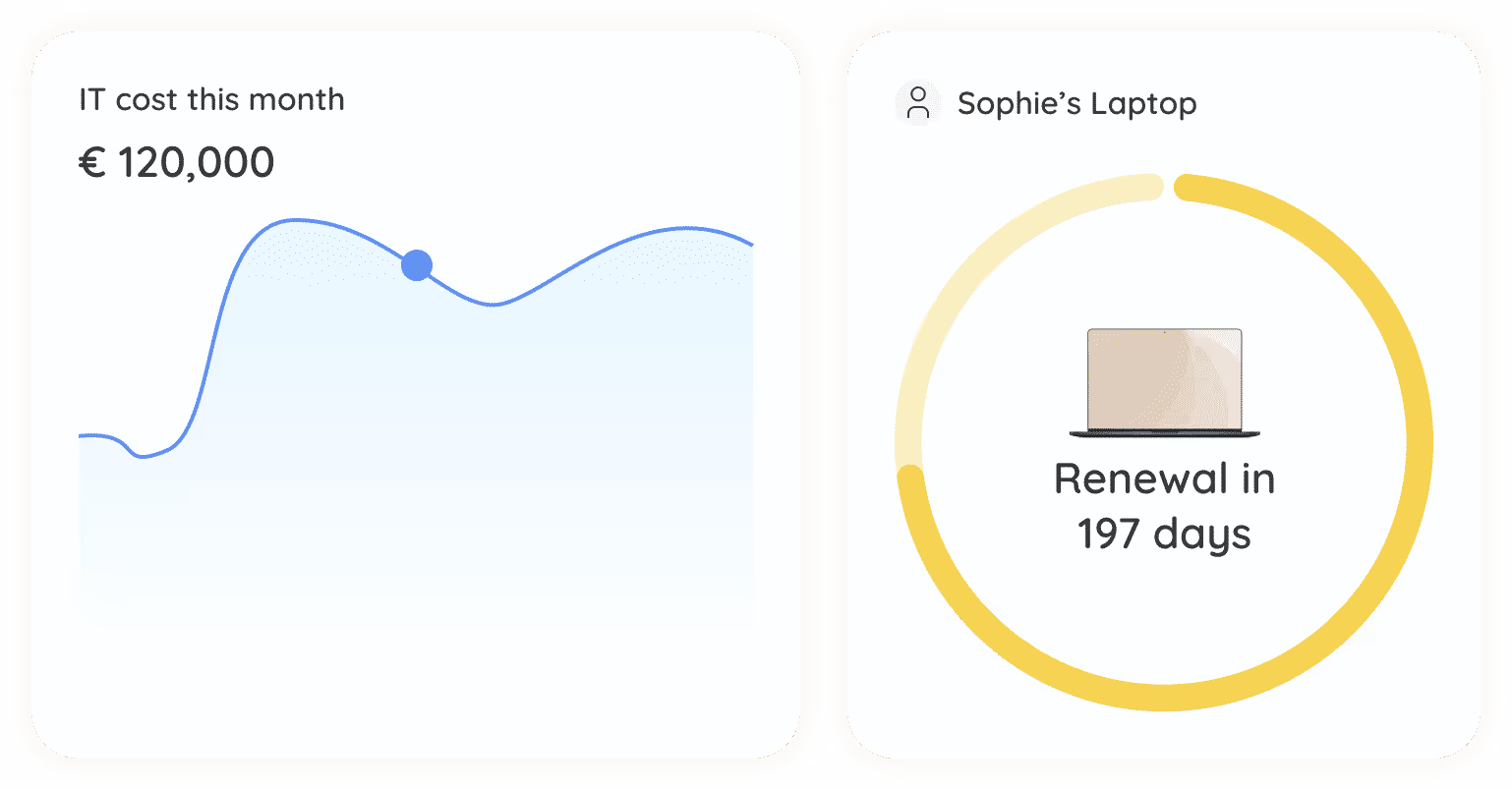
Real-time IT reporting
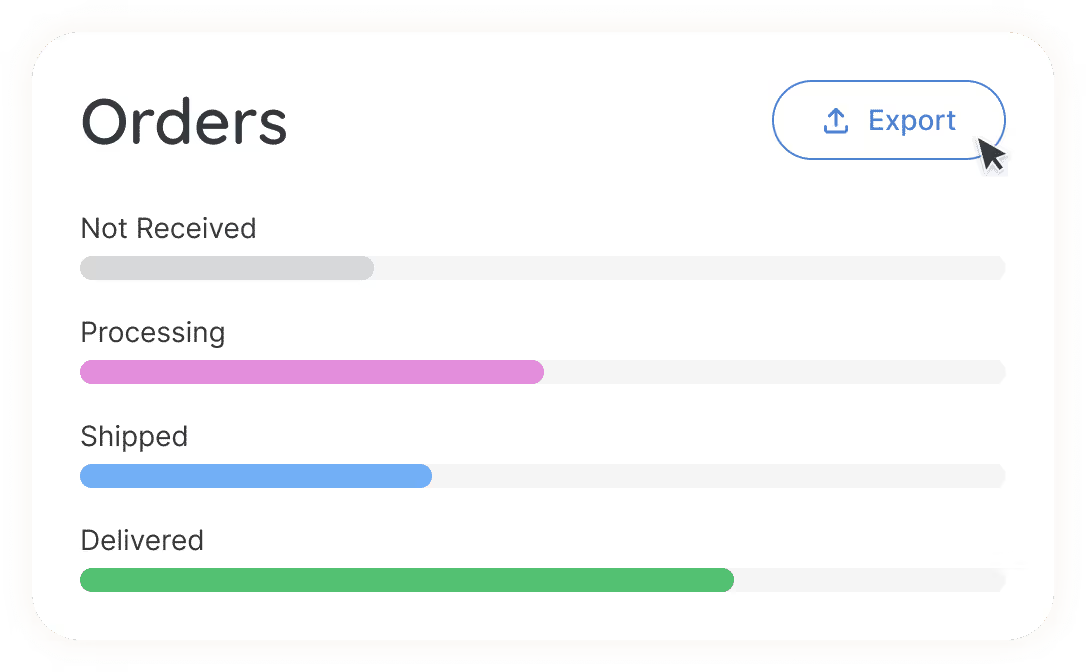
Custom dashboards & exports
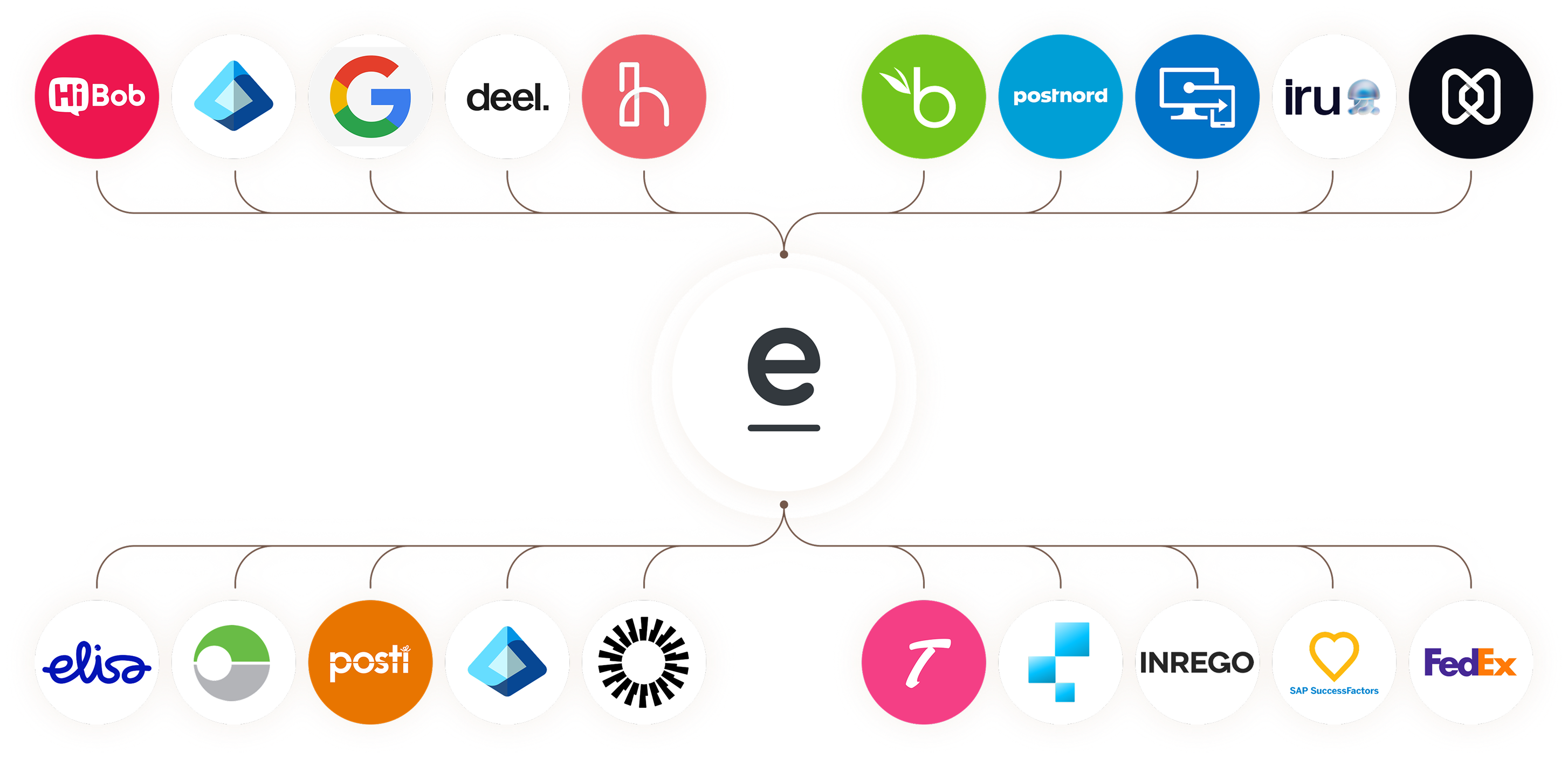
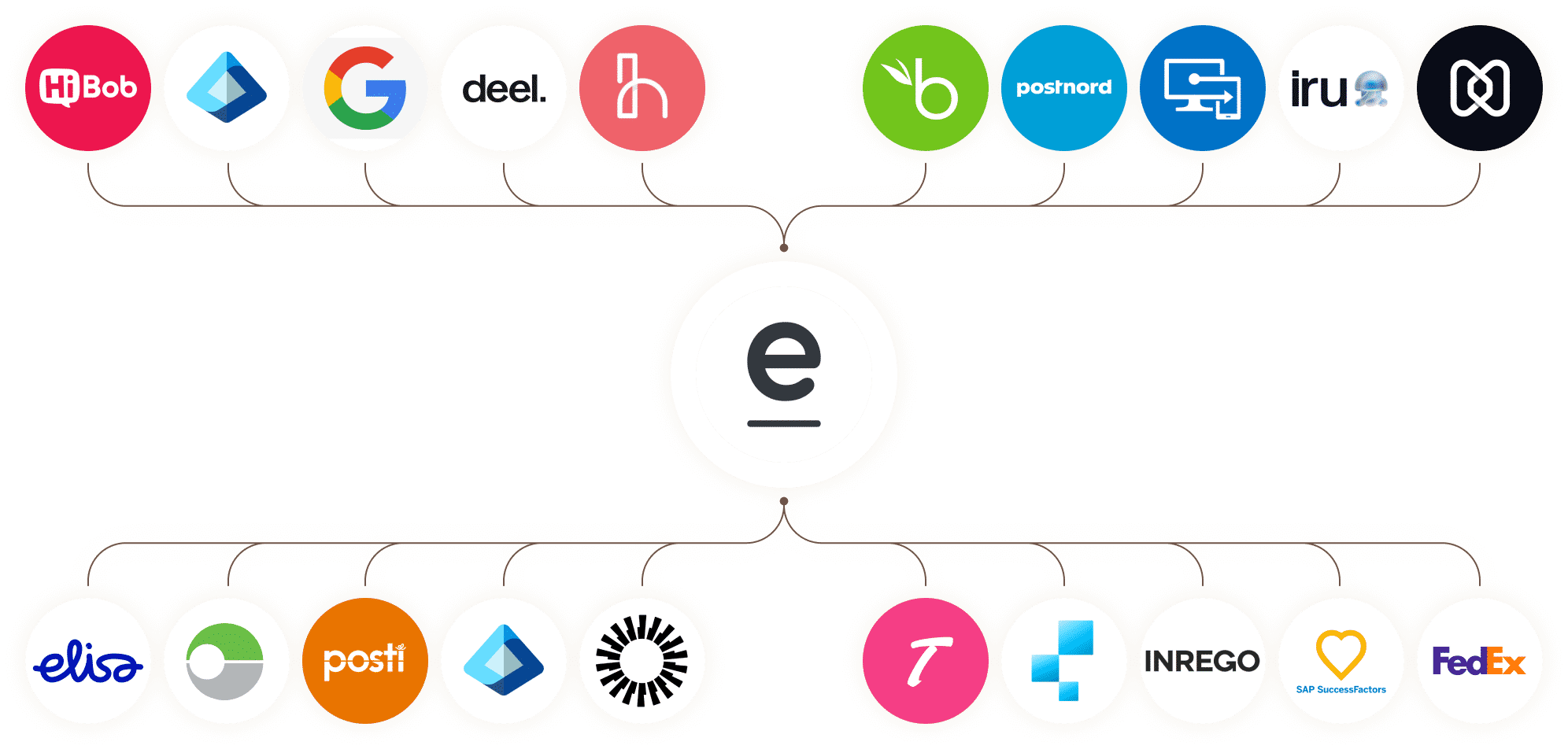
Integrations

Connected from day one

Plug into your ecosystem - fast



FAQ

What is Universal API (uAPI?)
Velory’s Universal API (uAPI) is a fully documented REST API that allows organizations to integrate Velory with external systems. It provides secure, programmatic access to hardware asset data, lifecycle status, procurement records, users, and budgets. Read more about Universal API here.
What data can I access through the API?
Through uAPI, you can access: Asset inventory data, Lifecycle status, Procurement and order data, Budget and cost information, Users and organizational structure data. This enables advanced reporting, automation workflows, financial reconciliation, and system synchronization.
How does Velory integrate with MDM, HRIS, and other systems?
Velory integrates with your existing ecosystem to fulfill pre-existing features and use-cases through Universal API. By connecting HR systems, MDM platforms, and other systems through Universal API, Velory creates a unified lifecycle data layer that enables automatic device synchronization and event-driven onboarding and offboarding - without replacing your current systems.
Can I build custom dashboards or reports using Velory data?
Yes. Velory provides built-in standard reports and dashboards for inventory, lifecycle status, and cost overview. For advanced analytics, companies typically use the API to connect Velory to BI tools.

About Velory
.jpg)
Workwize alternatives for teams in Europe (2026)

How to equip employees in several countries from one place

MDM vs IT asset management: what your MDM can’t tell you