

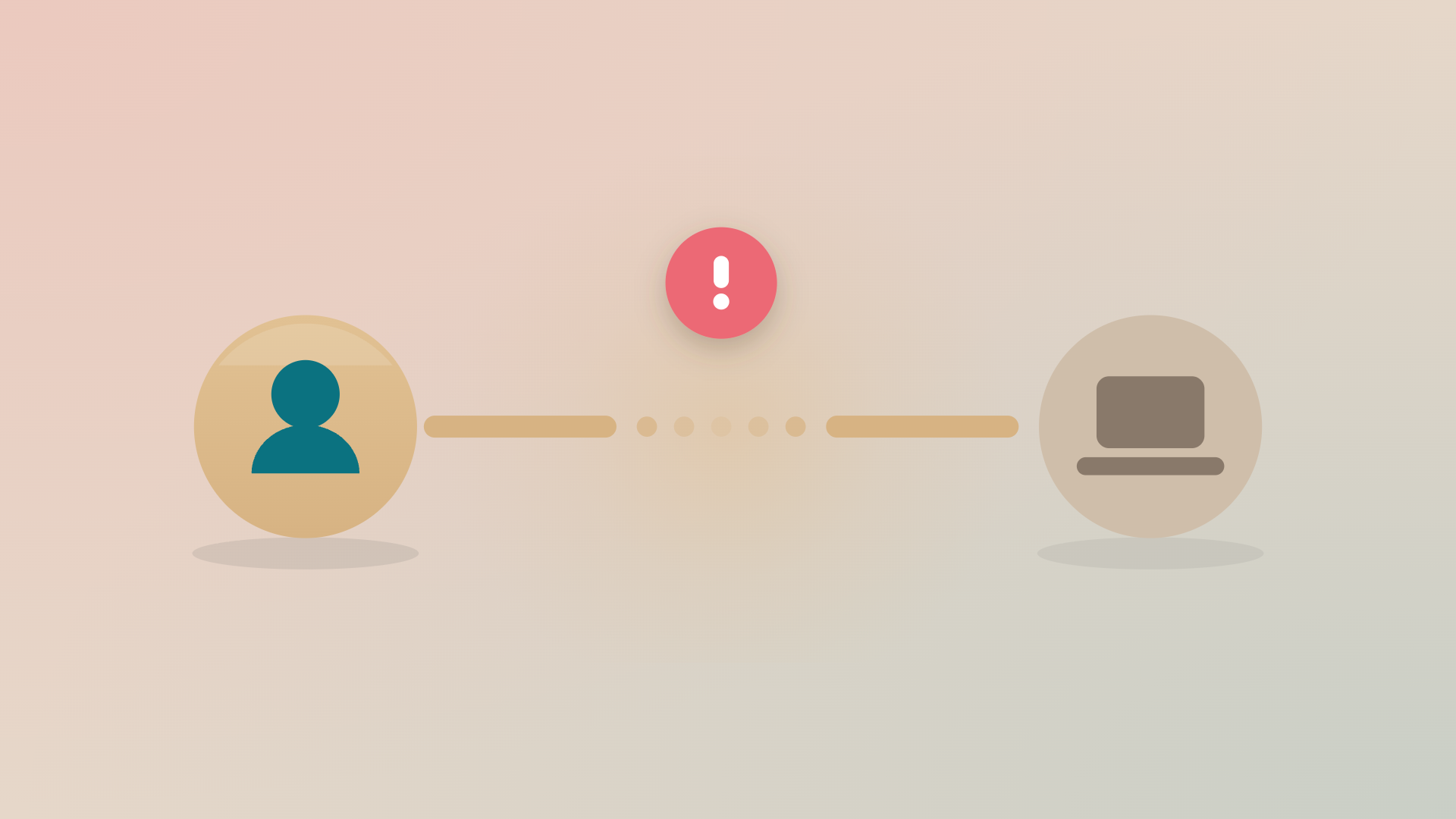
When a new joiner signs the contract, the data most often exist in the HR system just a short time after: name, role, department, cost centre, start date. Everything IT needs to have a laptop, a phone, licence set and a phone plan ready for the first day is already sitting there. Doesn’t sound like a complicated handover, right?
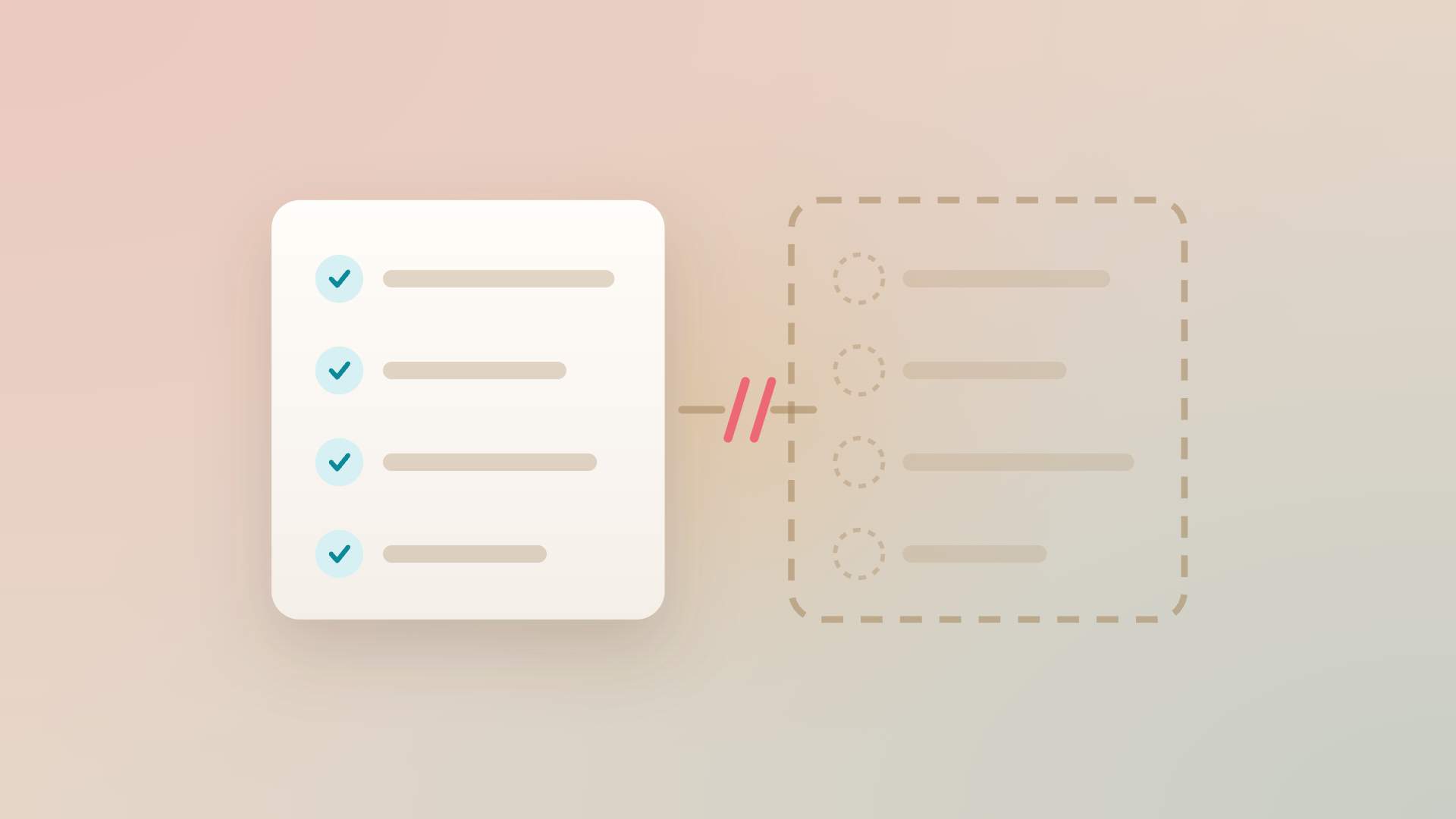
But in many cases, the data gets entered again somewhere else. A manager fills in a form, or messages the service desk, or remembers on the Friday before. IT asset lifecycle tracking that integrates with HR software removes that second entry: the HR record becomes the trigger the lifecycle runs on.
This post covers what the integration actually does, why the handover between HR and IT keeps breaking without it, which systems to connect and in what order, and the questions worth asking any vendor who says they automate the lifecycle from onboarding through retirement.
What does it mean for asset lifecycle tracking to integrate with HR software?
It means the employee record in your HR system creates and maintains the asset record in your IT system, so nobody types the same person into two places.
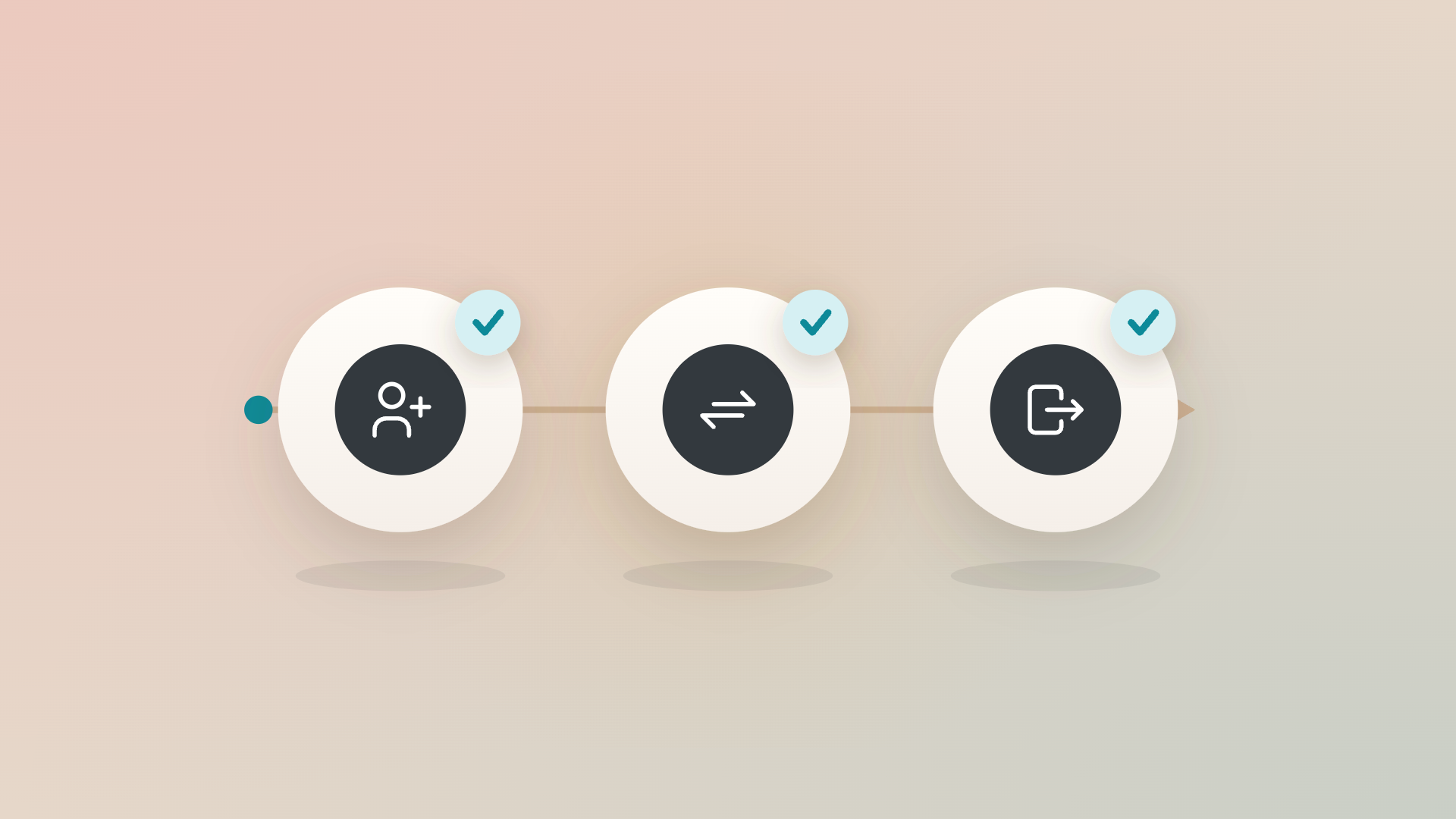
Three things travel across that connection. The person, created on the IT side before they exist anywhere else, because on the day they sign they do not yet appear in your directory, your device records or your licence list. The attributes, meaning job title, department and cost centre, which are what decide the budget and the entitlement that person should get. And the status changes: start date, role change, last day. Each of those is an event something can act on.
A plain definition, since the acronyms get used loosely. An HRIS is the system HR runs the employee record in.
One detail separates a real integration from a data feed: a real one answers the source-of-truth question out loud. Before the start date, the HR system is authoritative, because the employee does not exist in Active Directory yet. Once they start and appear in AD, identity takes over. If they are removed from AD early during offboarding, it falls back to HR so the last stretch of the process still has something to run on. An integration that never decides this will eventually overwrite good data with stale data.
Why does the handover between HR and IT keep breaking?
Because the handover is a person, and that person is usually working from partial information.
Integration comes up in the majority of customer conversations, and "how does Velory integrate with what we have?" is the question that tends to arrive first. The pattern underneath it is consistent. A manager owns the onboarding form but fills in half of it, so IT chases the rest. Or the manager is asked to make a call they have no basis for: they can pick a laptop, but they do not know which licences the role is supposed to carry, and nobody should expect them to.
Offboarding fails in a quieter way. At one company we spoke to, the HR system deactivates the account automatically through identity management and the service desk is never told, so the team responsible for recovering the hardware has no idea anyone left. At another company, the laptop does come back, into a manager's desk drawer, and the next new starter picks it up and begins typing. Nothing looks broken, the device is in the building and someone is using it, but the ownership record went stale the moment it changed hands.
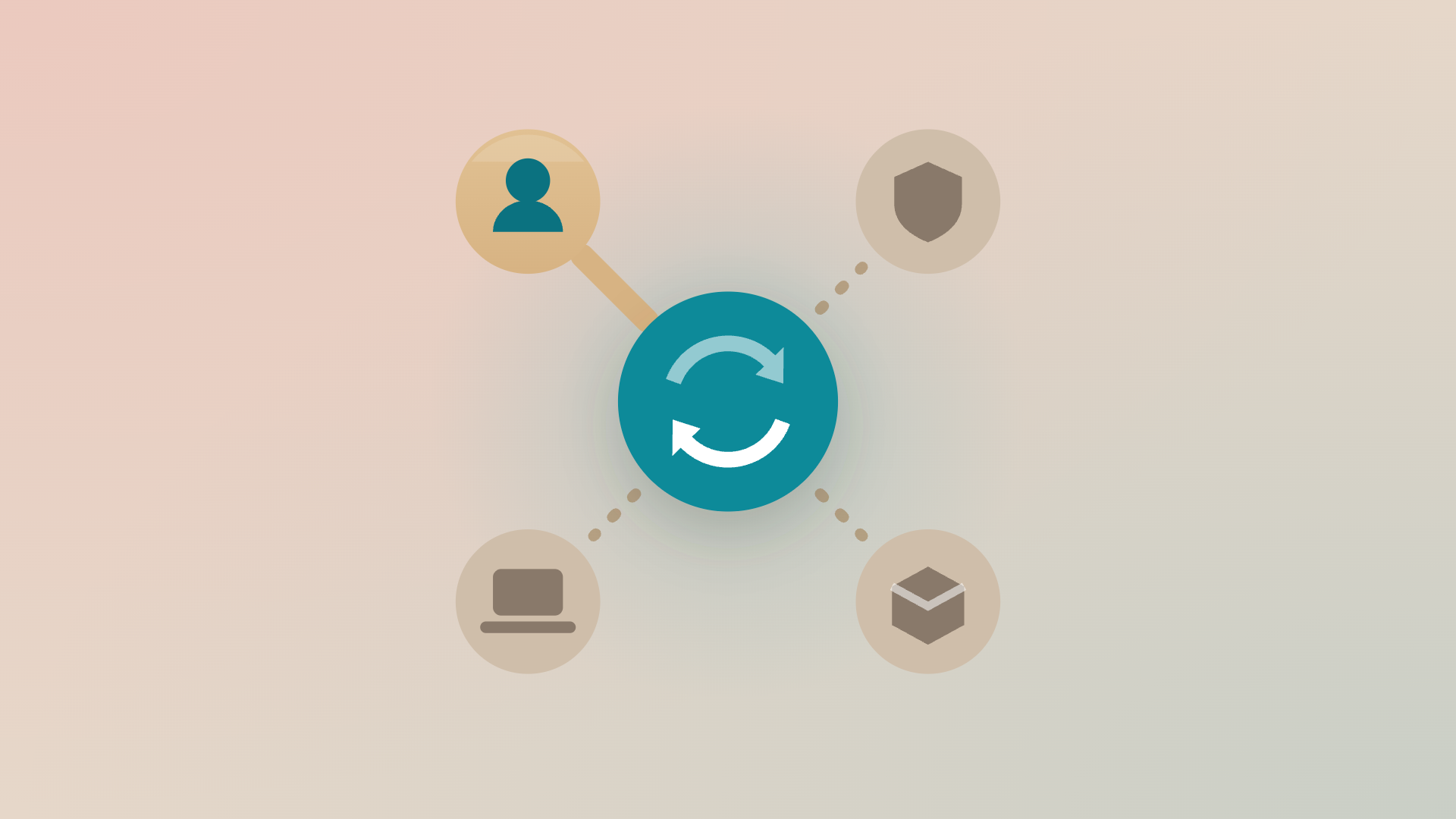
What changes when the HR record drives the IT lifecycle?
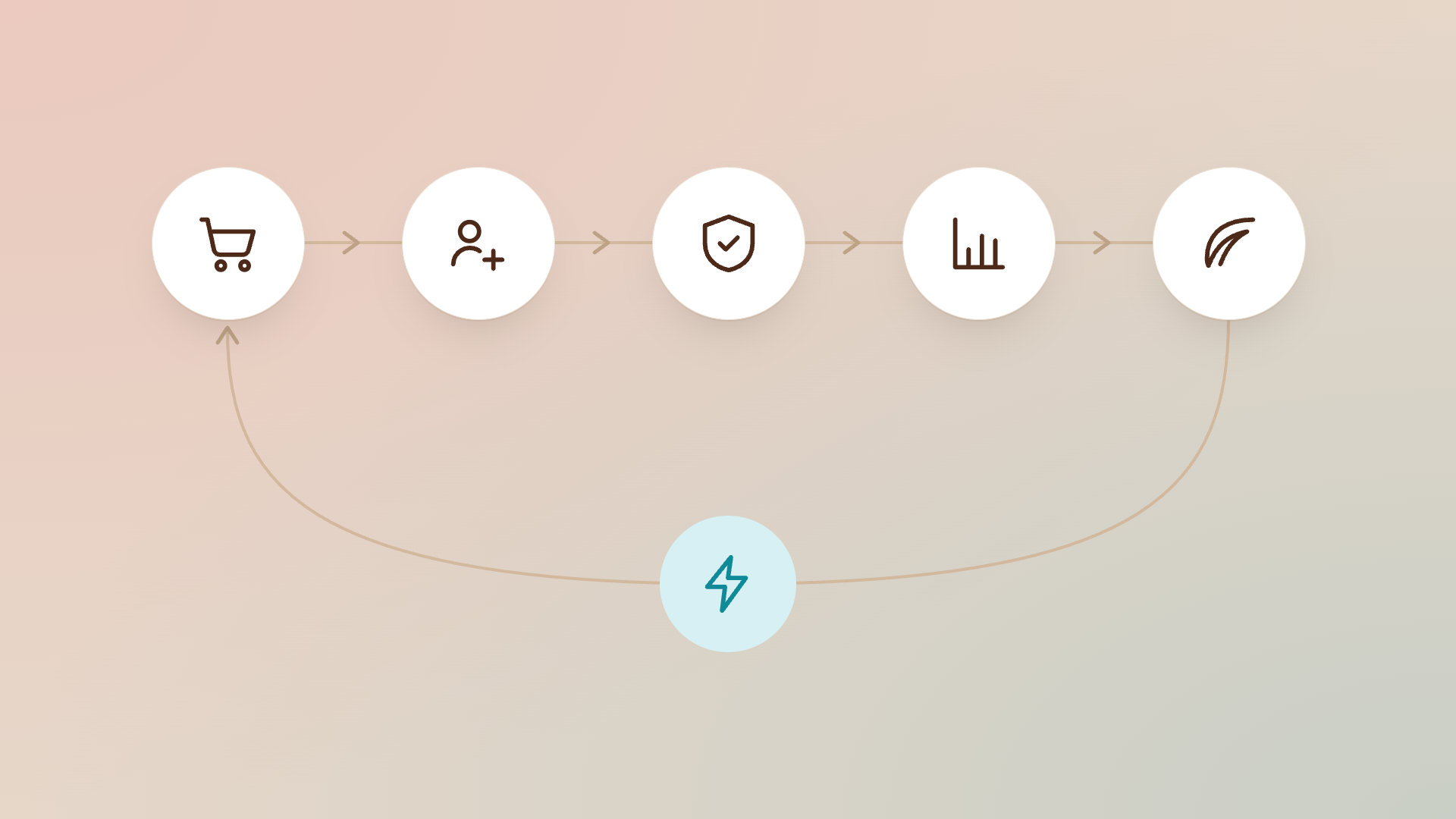
Four moments stop depending on somebody remembering.
Before day one: The employee record syncs ahead of the start date, on a window you set. Budget assigns itself from the attributes that came across, so a new engineer and a new field technician get different entitlements without anyone deciding case by case. The order routes to whichever supplier you already buy from, and the device enrols in your MDM when it arrives.
During employment: A role change in HR is the same kind of event as a hire, so entitlement updates with the role even if the last ticket that person raised was two years ago.
At the last day: The leave date in HR can start offboarding on its own. Devices go to return or buyout, licences are revoked or reassigned, and mobile subscriptions terminate on the day or on a date you schedule, which matters when someone wants to port their number to a personal plan.
At end of life: Returned hardware lands in your own storage and gets offered in the store before anything new is ordered. What is genuinely finished goes to a certified takeback partner.
Which systems should you connect first, and does the order matter?
Start by connecting one. Which one depends on the question that hurts more. If you cannot answer who has what, start with MDM, since Intune, Jamf, IRU, Hexnode and Google Endpoint Management already hold the device truth. If day one keeps slipping, start with the HR system, since a missing trigger is what breaks day one. Identity comes next, meaning Entra, Google Workspace or Okta, then your suppliers, then the takeback partner at the far end. Each connector you add makes the next automation possible, and none of them is a gate on starting.
One caution before you switch an HR sync on. The feed carries whatever the HR record holds, including the parts that are wrong. Spend an afternoon auditing job titles, departments and cost centers first. It is cheaper than debugging the automation afterwards.
What should you ask a vendor about automating onboarding through retirement?
Ask what the system does when nobody is watching. Six questions get you most of the way:
1. Which HR systems do you support, and which fields sync?
2. What is the source of truth before the start date, after it, and during offboarding?
3. Can a leave date in HR trigger offboarding by itself, or does an admin still have to start it?
4. Does offboarding cover licences and mobile subscriptions, or only hardware?
5. What happens to a returned device, and is reuse offered before a new purchase?
6. Where does the audit trail live, and can you export it as evidence?
Whatever your compliance position, the practical test is the same: can you show, after the fact, that access ended when employment did.
Closing the gap
The distance between HR knowing and IT acting is where day one slips and offboarding quietly fails. Closing it takes three things: one connection, an honest answer about which system is authoritative when, and a lifecycle that acts on events as they happen. Velory is the IT lifecycle engine that runs on the data you already have. If you want to see the HR trigger working end to end, book a walkthrough.