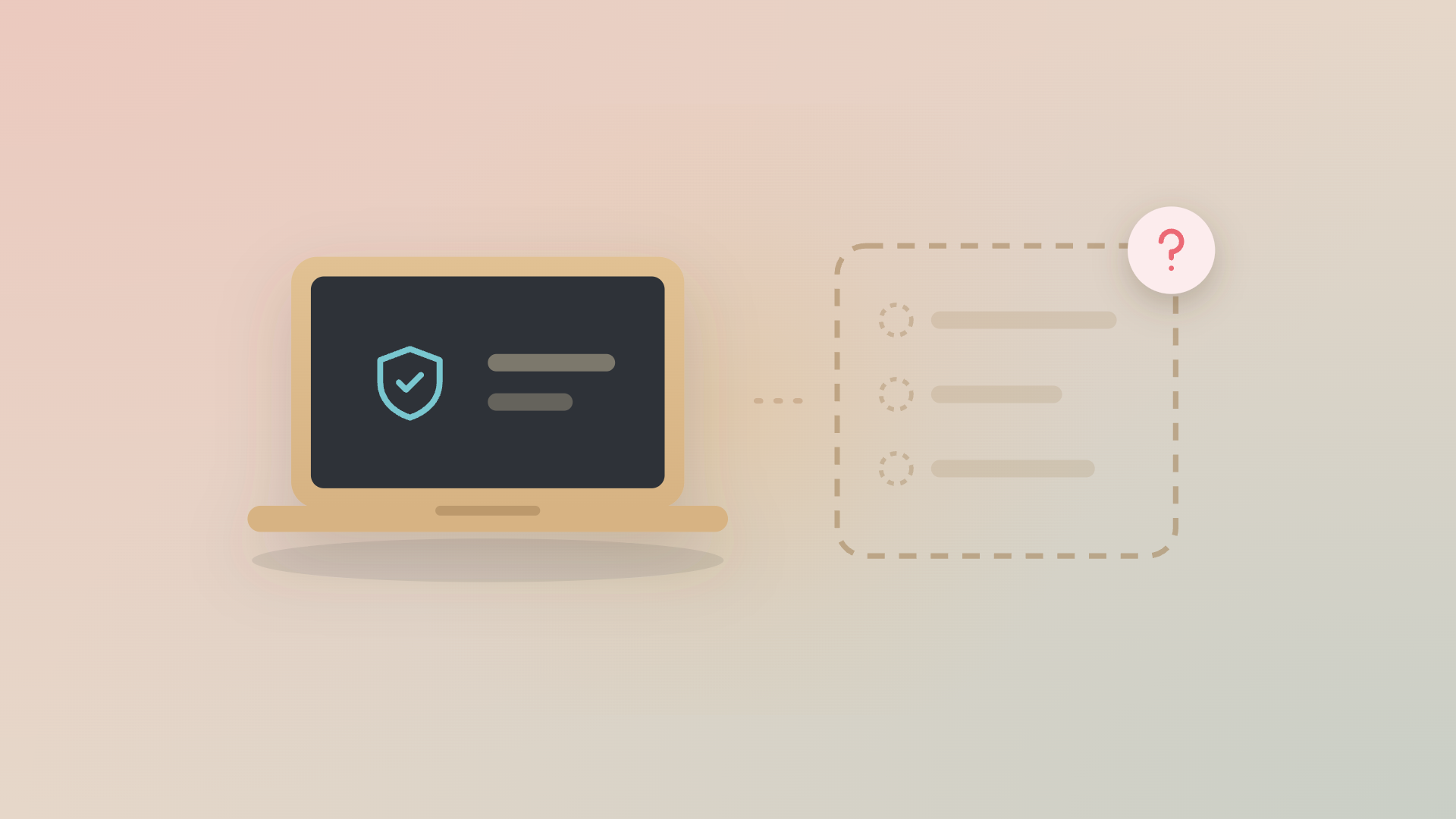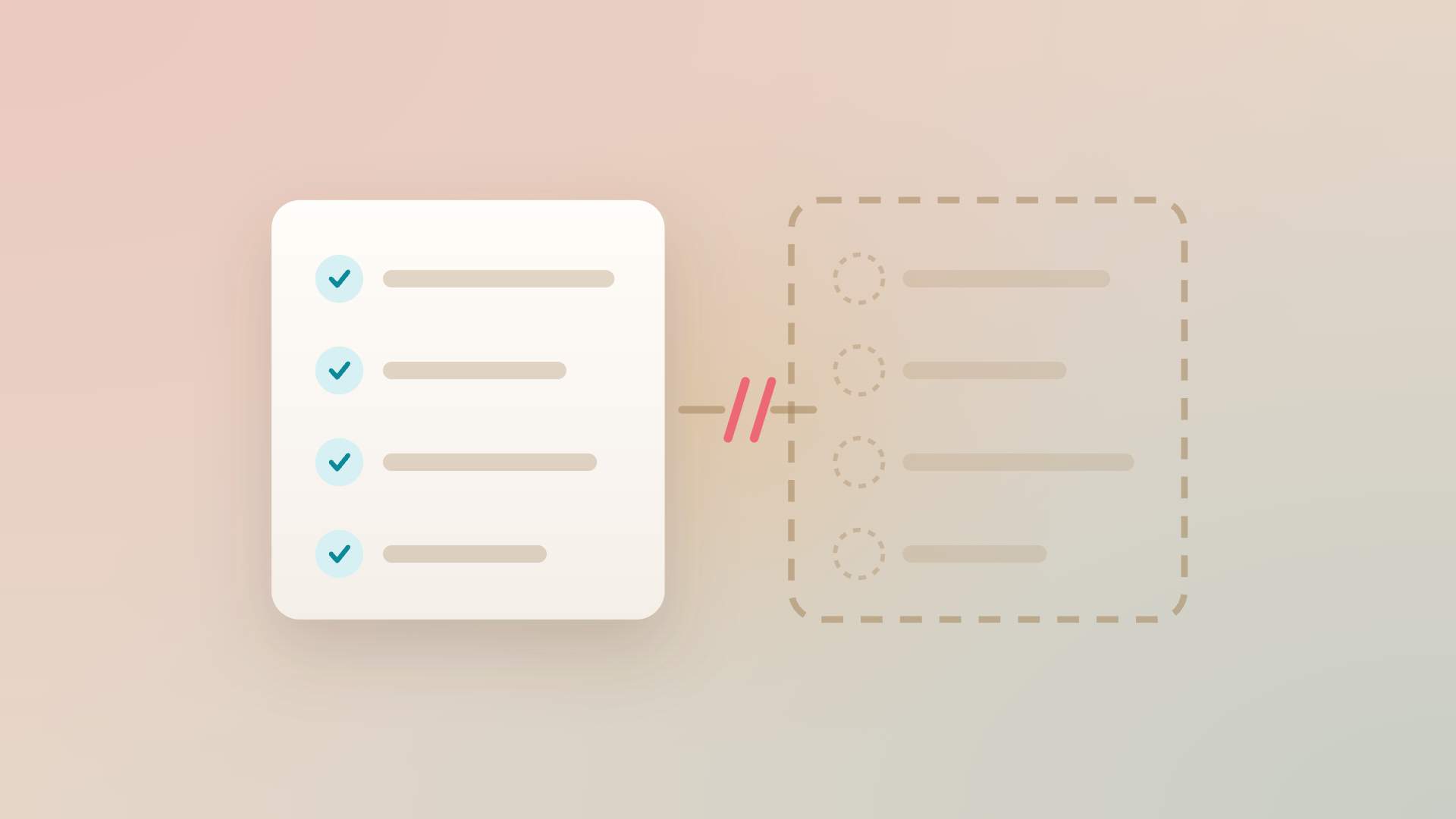


An employee leaves on a Friday. Their laptop comes back the following Tuesday, gets wiped on Wednesday, and lands in the IT closet by Thursday. Three weeks later, a new hire starts. Procurement orders a fresh laptop because nobody told them about the one in the closet.
Multiply that missed opportunity by every offboarding and onboarding event in a year. That's where most mid-market IT budgets quietly leak. The laptops still work; the redeployment routine doesn't.
This piece is about how to fix it. Specifically, how to turn redeploying returned laptops from a sustainability talking point into the default operating mode for IT teams that want to buy less hardware without compromising what employees get on day one. The framework: move devices from Inactive back to Active before anyone places a new order.
Why returned laptops never make it back to active use
Three things break the redeployment loop, almost always at the same time.
- Nobody owns the Inactive state: The laptop is returned, wiped, and physically in storage, but no system marks it as available for the next hire. It sits in the asset register as "with [name of person who left]," in the MDM as enrolled-but-quiet, and in the procurement system as nothing at all. The default behaviour of three connected systems is to act as if the device is gone.
- The next-hire trigger fires before the closet check: A new hire is approved in HR, and the line manager or IT lead opens a purchase request. The supplier portal makes ordering a new device frictionless, while finding the right returned laptop requires a person to physically inspect the closet, confirm specs, check the wipe status, and re-enrol it. The path of least resistance is to buy.
- The audit never catches it: By the time finance asks about hardware spend at the quarter end, the cost is already booked. The same finance team that would absolutely refuse to approve a duplicate licence never sees a duplicate laptop order as a duplicate, because the system thinks one is owned by someone gone and the other is brand new.
The result: a closet that fills up while the spend goes out the door.

The cost you can't see when devices sit in the closet
Returned-device cost shows up in four places, and only the first one is obvious.
- The replacement order: A new laptop is ordered when a returned one would have done the job.
- Depreciation on the unused device: Sitting in a closet doesn't pause depreciation. The device loses value every quarter it isn't being used, faster on high-end models.
- The licence and subscription leak: Software licences assigned to the leaver often stay assigned. Mobile subscriptions keep billing for months. Hardware comes back, but the loop hasn't closed yet. We're hearing this on most calls right now.
- The eventual buyback or scrap: Devices stored past 24 months either get bought out at residual value (best case) or sent to ITAD as a write-down (more common). The longer they wait, the worse both options get.
What good redeployment looks like, end to end
A working redeployment routine has a single rule: a returned laptop is the first laptop the next hire is offered.
In practice, that means four things move as one motion when an offboarding event fires:
1. The device returns and is verified. Wipe complete, MDM re-enrolment ready, physical condition checked, accessories accounted for.
2. The status flips from Active to Inactive. Not "with [former employee]," not "in storage," but Inactive and assignable. The state itself is the trigger for the next event.
3. The system that handles new-hire device orders sees the Inactive pool first. Before the supplier portal opens, the engine offers the returned device that matches the role specification.
4. The next-hire trigger either consumes the Inactive device or requests a new order with a reason. "No Inactive match in the role spec" is a valid reason; "nobody checked" isn't.
That fourth point is where most attempts at redeployment fall apart. Without an enforcement mechanism, the closet-check becomes a polite suggestion that managers skip when they're busy.
A buyer in a recent conversation framed it directly: ensure returned machines are actually put into production, not just stored or discarded. Same idea from a Nordic restaurant chain: use returned devices as loaner computers instead of sending everything back to the supplier on day one. Both descriptions point at the same operating model. Inactive is a destination on the way back to Active, not a waiting room before End of Life.
Four checks before a returned laptop goes back to a new hire
Redeploying without these checks creates more problems than it solves. Each one is fast and most can be automated.
- Wipe verification. Confirmed device wipe with audit trail. Not "the previous owner said they wiped it." MDM-enforced and timestamped.
- Hardware health. Battery health above the role threshold, keyboard and screen condition checked, port functionality verified. A returned device that fails any of these goes to repair or ITAD, not to a new hire.
- Role-spec match. Does the role need a high-spec engineering machine or a standard knowledge-worker laptop? Match the device to the role before offering it, not after.
- Operating system and software readiness. Latest OS, role-appropriate software bundle ready to push from MDM on first boot. Same experience as a new device.
The first time a new hire receives a redeployed laptop that looks and behaves like a new one, the redeployment routine becomes invisible.
Make redeployment the default, not the exception
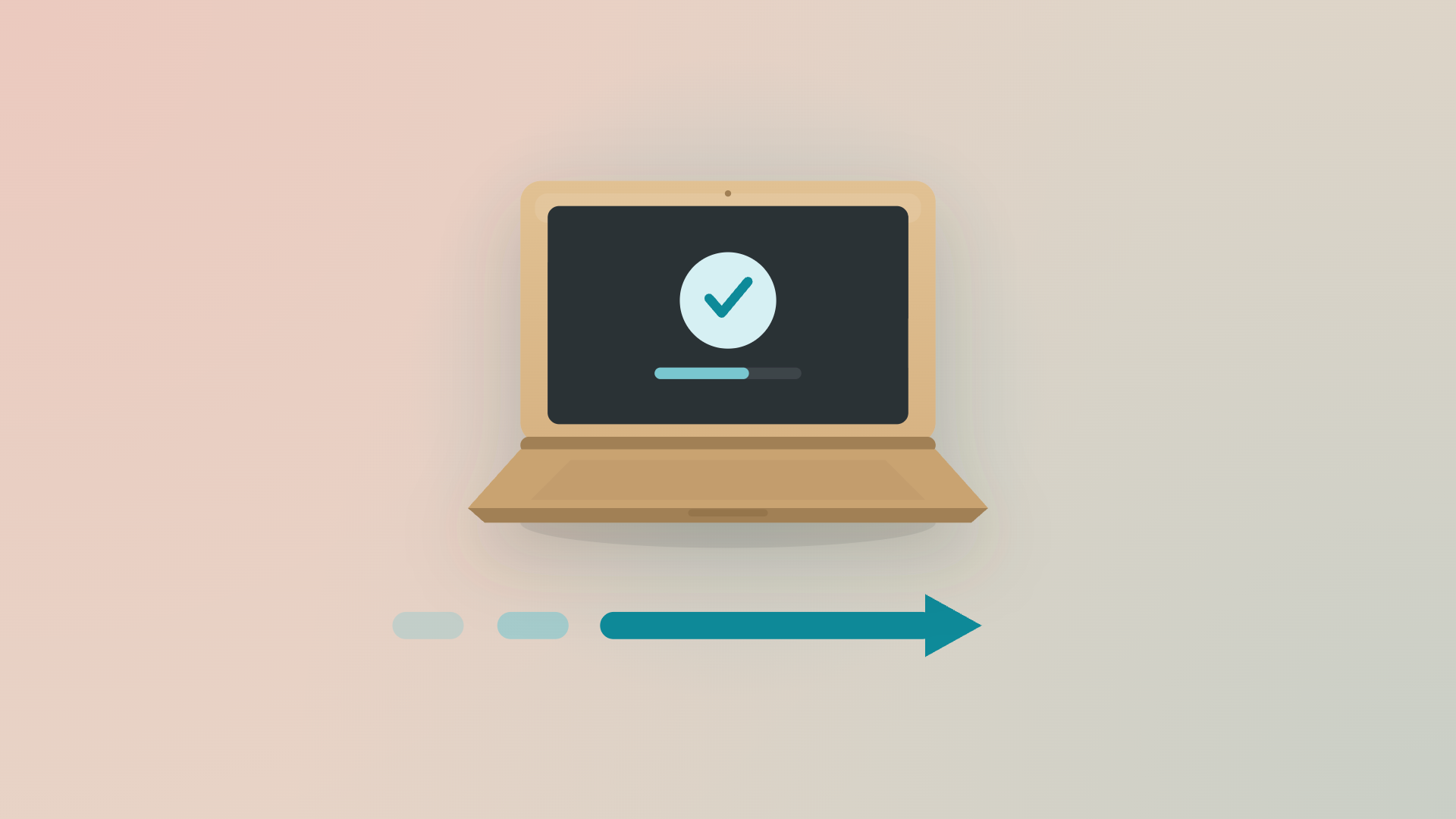
The line between "we tried redeployment and it didn't stick" and "redeployment runs in the background" is usually one operational change: making the Inactive to Active path the default for the next-hire workflow.
That's a small change with two large effects.
First, the closet stops being a destination. Devices move through Inactive on their way back to Active. The IT team stops doing forensic closet audits to remember what they have.
Second, the next-hire trigger automatically considers reuse before it considers a new purchase. The supplier portal still exists, the new-order flow still exists, but they fire after the Inactive check, not in parallel with it. The order of operations changes; the tools don't.
Most mid-market IT teams have all the tools to do this today: the asset register, the MDM, the HR system, the supplier portal. What's missing is the engine that watches the offboarding event and routes the consequence into the next-hire flow before procurement opens the catalogue.
What it looks like when the lifecycle engine runs the routine
When the lifecycle engine handles redeployment, the operational change is mostly invisible to the people who used to do the work.
HR marks a leaver in the HRIS -> The engine fires the return process: device shipping label, MDM wipe verification, status flip to Inactive, mobile deactivation, licence reclamation. The next-hire request that lands a week later sees an Inactive device matching the role specification, surfaces it to the line manager, and either consumes it or routes around it with a logged reason.
The takeaway
Redeploying returned laptops is the cheapest hardware decision IT makes, hiding in plain sight because the systems that should connect a return to a next-hire event don't talk to each other. Build the Inactive to Active loop once, let the engine fire it on every offboarding, and the closet stops filling up.
The next hire gets a device that's just as good as a new one. The hardware budget shrinks without anyone deciding to cut it. Go live with one trigger, then add the next connector when the first one earns it.