

Someone resigned three weeks ago. Their laptop is still on their kitchen table, their design software still bills on the 1st, and their mobile plan renews next week. None of this is a mystery. Your HR system logged the leave date, your directory switched off the account overnight, and finance keeps paying the invoice. The facts were all there. What's missing is anything that turns them into action, which is the real job of IT lifecycle automation.
This post looks at why IT so often finds out last, where the automation actually starts, and how the IT lifecycle can run from a new hire's first day through certified end-of-life on the signals you already have.
What IT lifecycle automation actually means
IT lifecycle automation is when an event in one of your systems, a hire, a role change, a returned laptop, a departure, automatically sets off the IT steps that should follow, without anyone relaying the message by hand.
The word doing the work there is: event. A new hire in your HRIS is an event. So is a device enrolling in your MDM, or an account switching off in your directory. Most IT teams already capture all of them. What they usually lack is something that listens for those events and runs the next step: order the laptop, assign the licence, activate the plan, and at the other end, reclaim all three.
None of this asks anyone to change how they work. The events are already happening; the automation just stops them from falling on the floor between systems. That's the difference between a tracker and an engine. A tracker shows you the event after it happened; an engine treats it as a starting gun.
Why IT finds out last, even when the data exists
Usually because the signal reaches one system, but not the people or the steps that have to act on it.
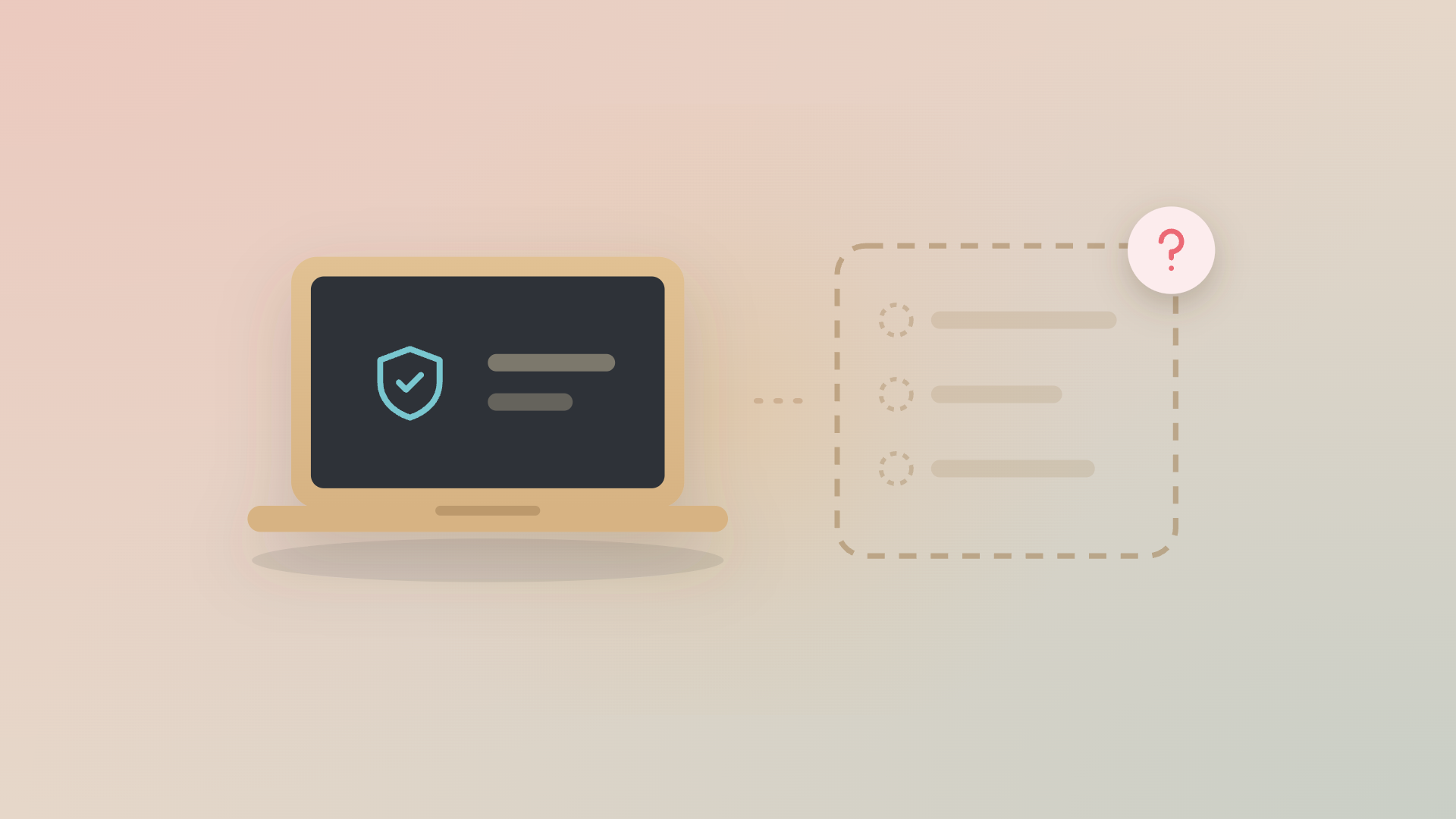
Picture a fairly typical offboarding. HR marks someone as a leaver, and the directory dutifully switches off their account that night. The identity side works exactly as designed. But the people who need to get the laptop back, cancel the mobile plan, and close the licences never get told, so they find out when a renewal notice arrives, or when a new starter needs a device and there isn't a spare. The trigger reached the identity system and stopped there.
It shows up at the other end too. A company might run three different systems that could each recover a device when someone leaves, and not one of them does it on its own, so the job stays manual and quietly slips. The information isn't the obstacle. It's sitting in an HR system, an MDM, a directory and a couple of supplier portals, none of which talk to each other.
None of this is a record-keeping problem. On average, about 20% of a company's devices are unassigned at any given time. The records exist; what's missing is a system that acts when a device changes hands.
Start by connecting the systems that already hold the signal
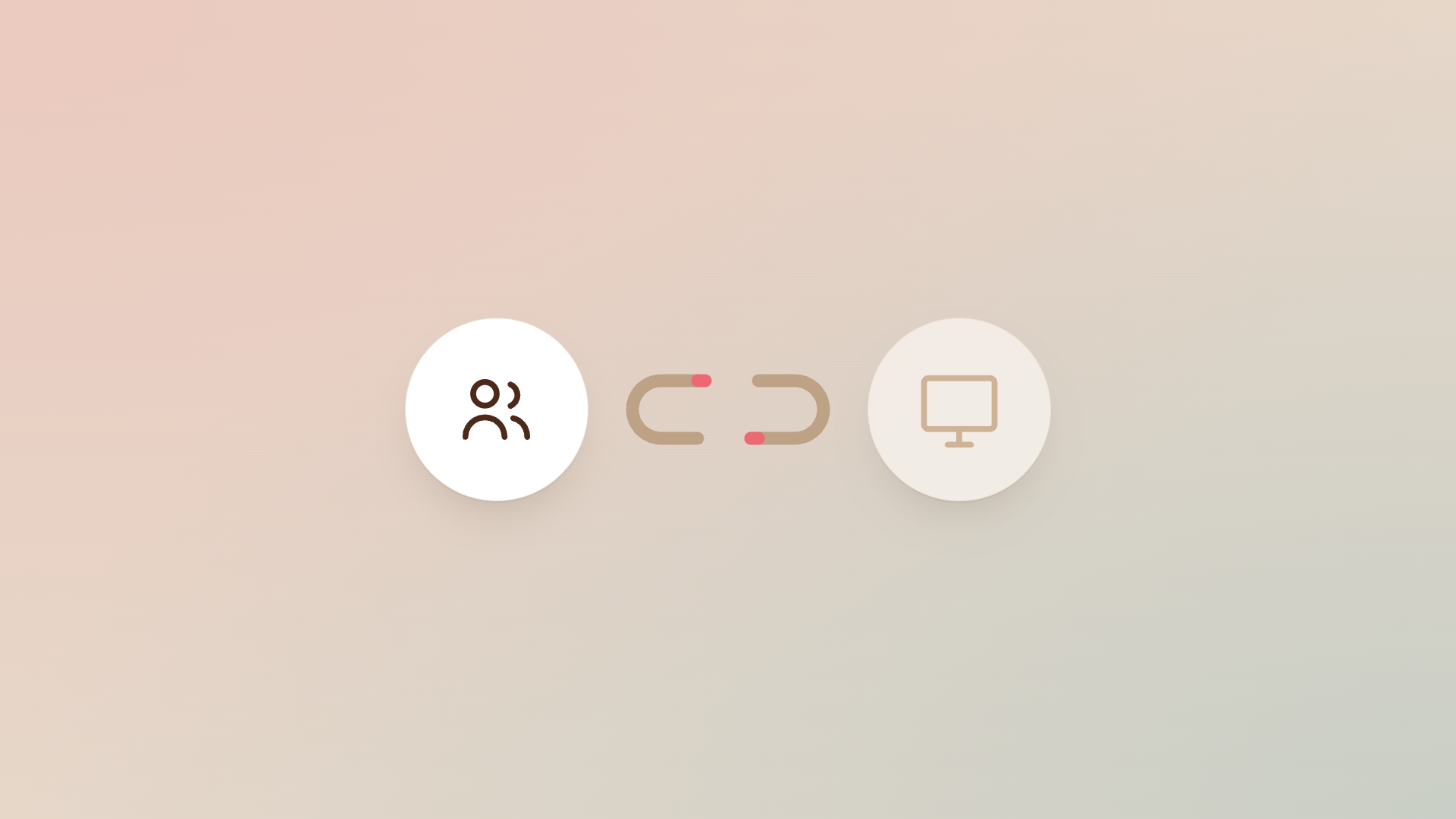
The quickest way to make the IT lifecycle run itself is to feed the systems you already have into one place, and let that place act on what they're telling it.
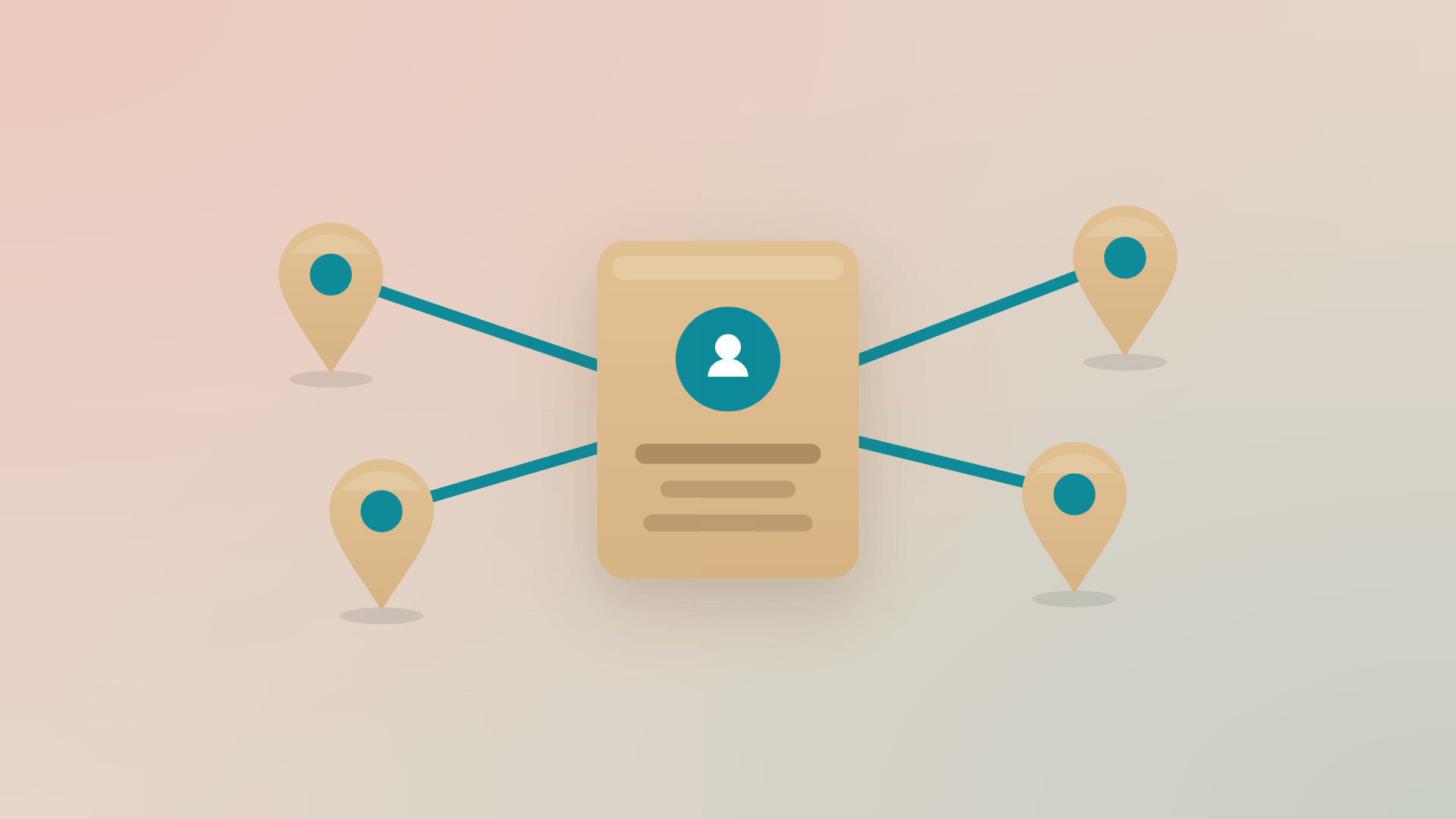
This is where connecting HR data to IT execution stops being a slogan. When your HRIS, MDM, directory, suppliers and finance all feed one engine, it can recognise what's happening and do the next thing. A hire in HiBob or Workday becomes a provisioned laptop, an assigned licence and an active mobile plan before day one. A leaver becomes a return, a revoked licence and a subscription that ends on the right date. That is onboarding and offboarding automation in practice, running off the same connections rather than a checklist someone has to remember.
You don't need every connector live to begin. The engine runs from day one on a single MDM connection, and that alone gives you a governed view of your devices. Each connector you add after that gives it more signals to act on. Connectors are amplifiers, not prerequisites, so start with the one that costs you the most time today.
What this looks like across the IT lifecycle
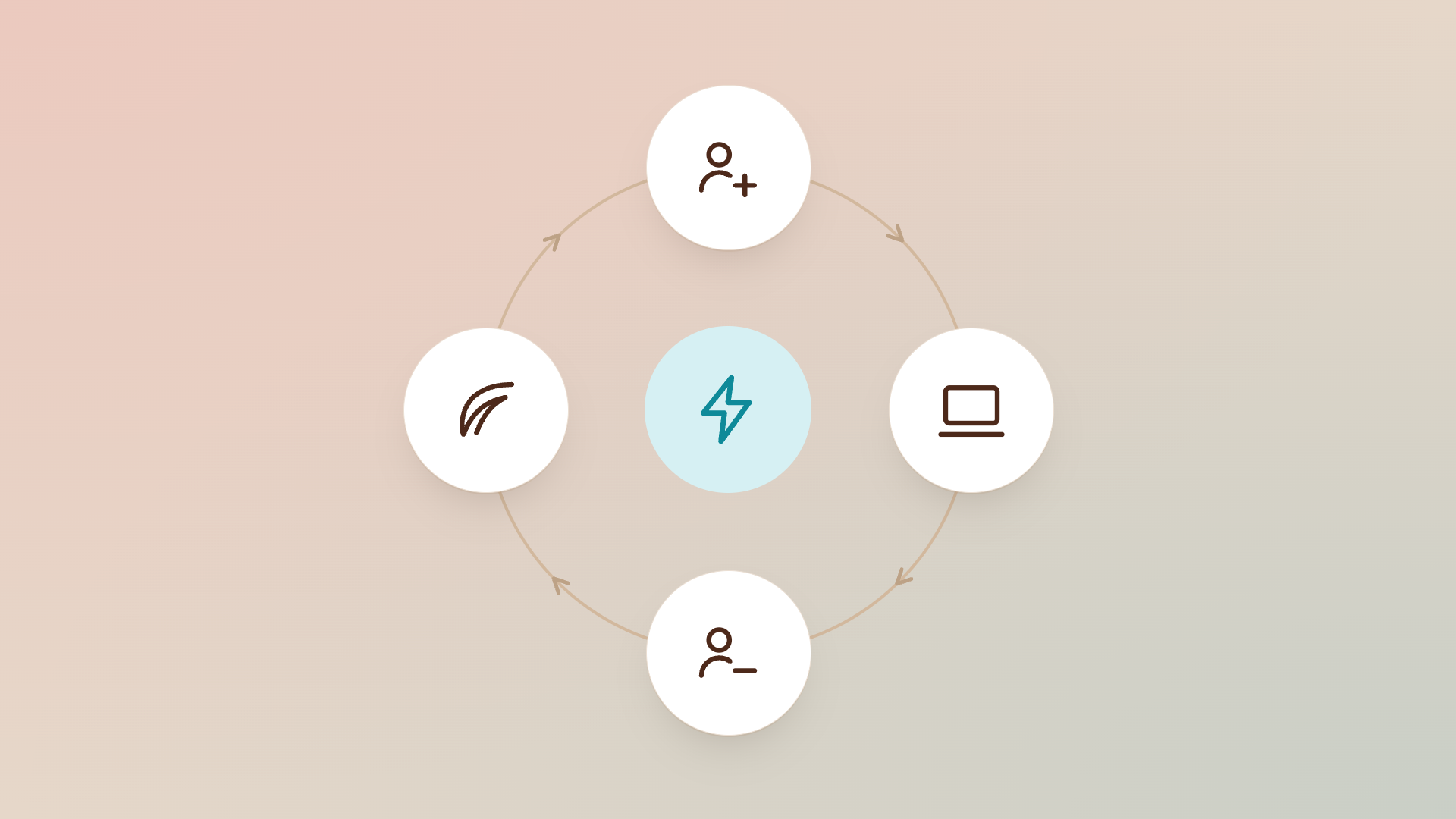
The same engine runs every stage, so the event that opens an IT lifecycle is the one that closes it cleanly.
At onboarding, HR adds the new hire and the record syncs ahead of the start date. A budget assigns itself by role, the device is ordered or pulled from existing stock, and it enrols in your MDM automatically. The licence and the mobile plan follow the same trigger, so the laptop, the software and the phone plan are ready before Monday.
While the person is active, what they have, what it costs and which contracts are running sit in one view instead of four.
When they leave, a status change from HR or the directory sets the date, and the recovery runs on its own: the device is returned or bought out, licences are revoked or reassigned, and the mobile subscription ends on the last day, or on a date you schedule so the person can port their number first.
At end-of-life, returned hardware routes through certified disposal or refurbishment with an audit trail, and the licence and contract are formally closed rather than left running in the background.
ZeroNorth shows the shape of it. The maritime tech company, with more than 600 employees, connected its HR and identity systems to Velory, automated onboarding and offboarding, went live in a month, and cut its IT workload by about a third. Its global IT manager, Soren Jorgensen, put it simply: “Everything is captured, nothing is lost.”
How to start without a year-long project
Pick the one connector that removes the most manual work, get it live, and grow from there.
The enterprise version of this, where you rip out what you have, run a six-to-twelve-month implementation and retrain everyone, is exactly the kind of project that keeps mid-market IT teams doing it by hand instead. You can go live instantly and add the rest at your own pace. Voyado started by connecting its HRIS, directory and MDM, then moved ordering and budgets off IT's desk. As its IT manager Jonny Sahlen described it, the steady stream of where's-my-laptop and what's-my-budget questions is now “almost gone.”
The first win is small and specific: stop being the last to know.
The short version
Your IT lifecycle isn't held back by missing data. The hire, the role change, the returned laptop, the resignation, all of it is recorded somewhere already. What's usually missing is one system that notices those events and acts on them across hardware, software and mobile, without someone passing the message along by hand.
That's all IT lifecycle automation really is: an engine acting on the signals you already have. Start with one connector, prove it on the workflow that hurts most, and let the IT lifecycle run itself from there. See how it runs end to end in Velory's product tour at velory.com/demo.
.jpg)